From risk to resilience: The story of a youth-led climate initiative
Indigenous children and youths on the frontline of emergency preparedness and climate resilience in Bolivia
2025 RISK Award: Final Report
Following the devastating forest fires of 2024, one of the worst disasters in Bolivia's recorded history, the RISK Award winner ChildFund Bolivia, together with the local partners We Effect and APCOB, worked across eight communities in Bolivia's Monte Verde Territory. Through investments in solar-powered water systems, school and community emergency preparedness plans and environmental education, the initiative sought to equip communities with practical tools and knowledge to address climate-related risks. One year later, the results of the project show how local action, with indigenous children and young people as agents of change, can help build lasting climate resilience in the face of growing challenges.
One year at glance
Safe water and healthier schools
Access to safe water became one of the most pressing challenges for remote communities in the aftermath of the 2024 wildfires. Contaminated water reservoirs, inadequate sanitation infrastructure in schools, heavy reliance on diesel-powered pumps affected daily life and learning conditions for students in Monte Verde and Río Blanco.
To address these challenges, the project introduced solar-powered water systems and restored non-operational facilities, helping to secure a more reliable supply of clean water for schools and families. The initiative also promoted healthy hygiene practices through trainings on hand washing and responsible water use, oral and menstrual hygiene. Using the Forest Guardians methodology, which combines indigenous ecological knowledge with disaster risk reduction (DRR) approaches through interactive game-based learning tools, children developed practical skills to strengthen environmental stewardship and support personal well-being.
Together, these efforts strengthened water security, improved learning conditions and helped communities and families become better prepared for future climate-related challenges, particularly during drought and climate-related water scarcity.
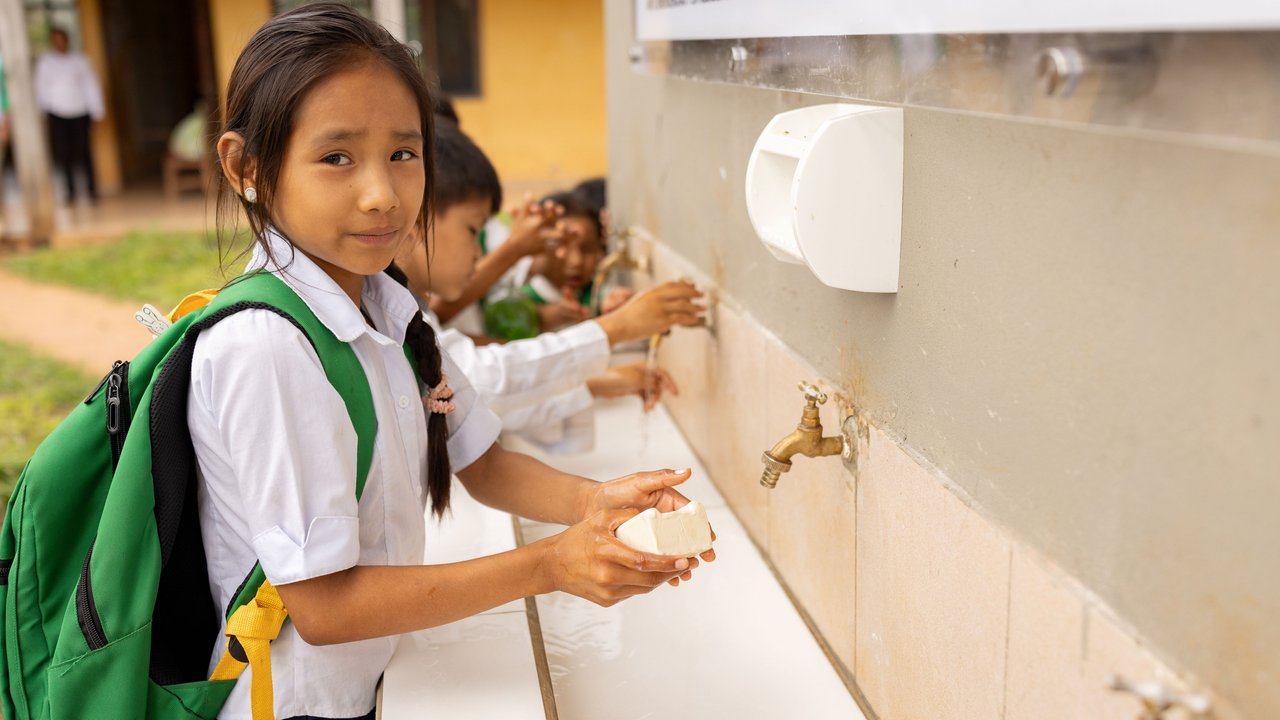
Water availability in rehabilitated school bathrooms in Monte Verde
Key results
2 schools now have continuous access to water throughout the year
The project ensured design and installation of two solar-powered pumping systems in Monte Verde and Río Blanco. Both systems were successfully put into operation and currently supply clean water to schools and families of both communities.
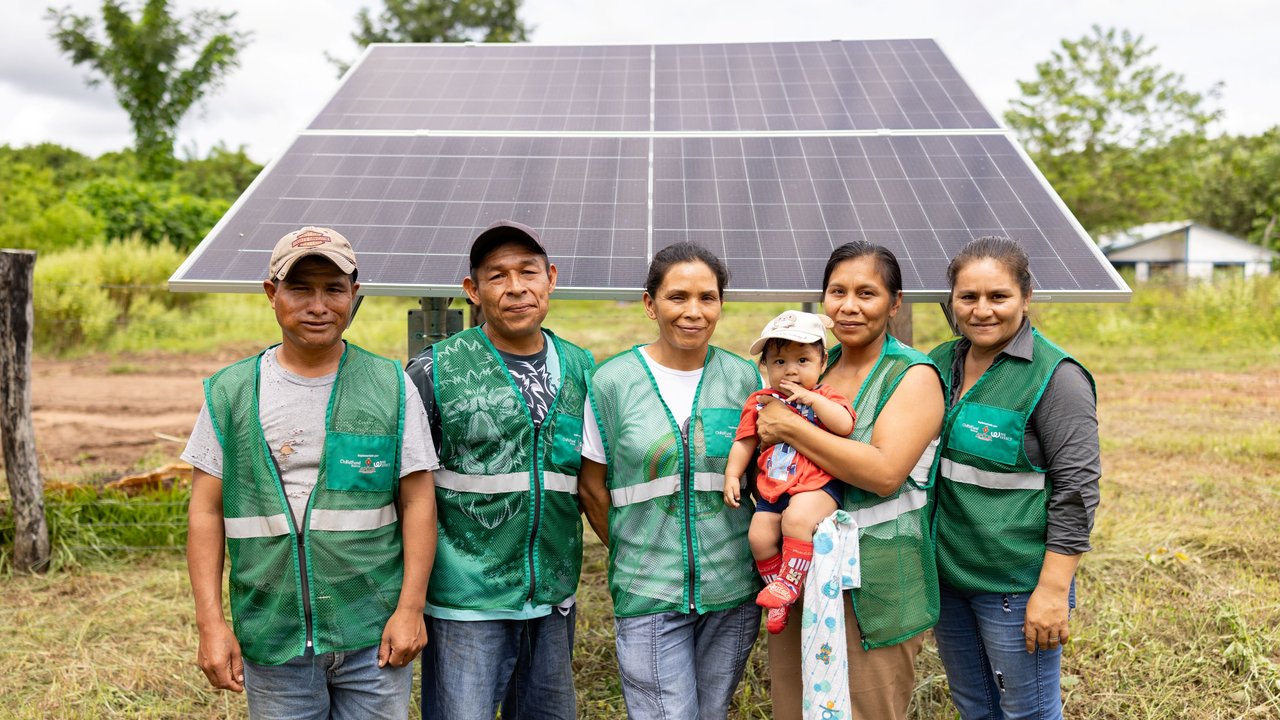
312 people benefit from improved water and sanitation services
As a results of investment in water infrastructure and community-led water management, 312 people benefit from improved water and sanitation services.
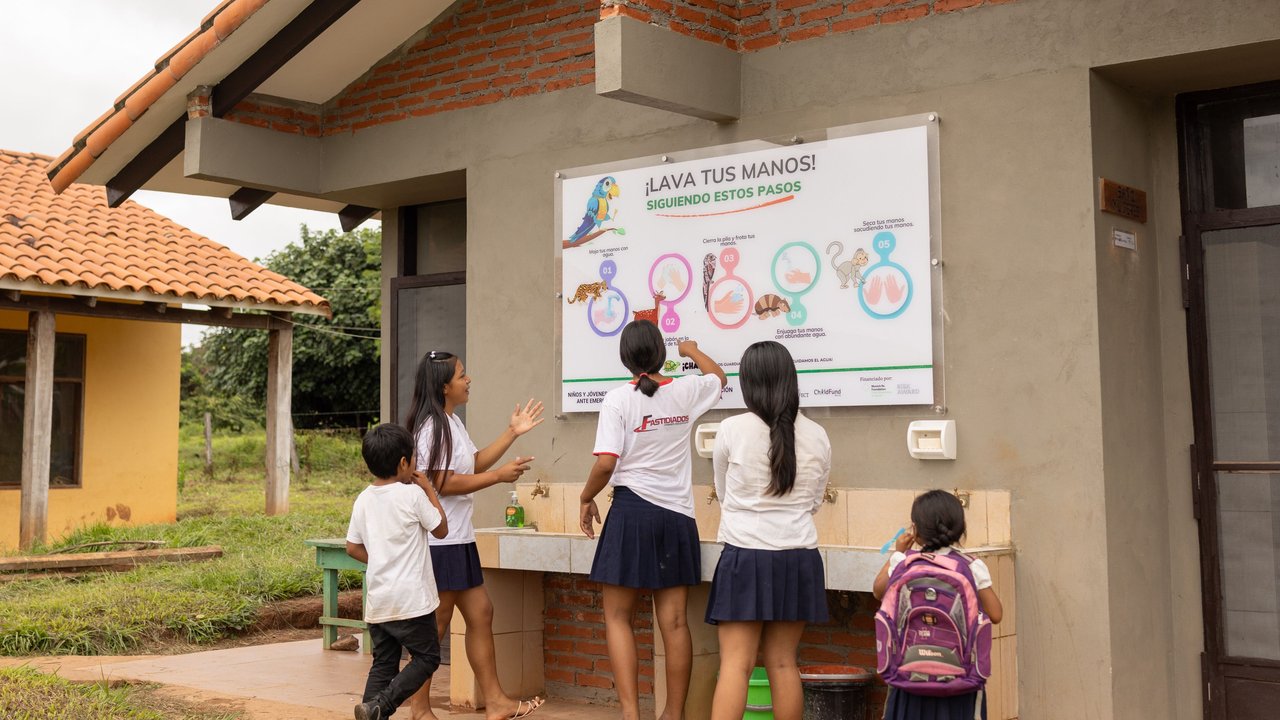
More than 90% of children demonstrate good hygiene practices
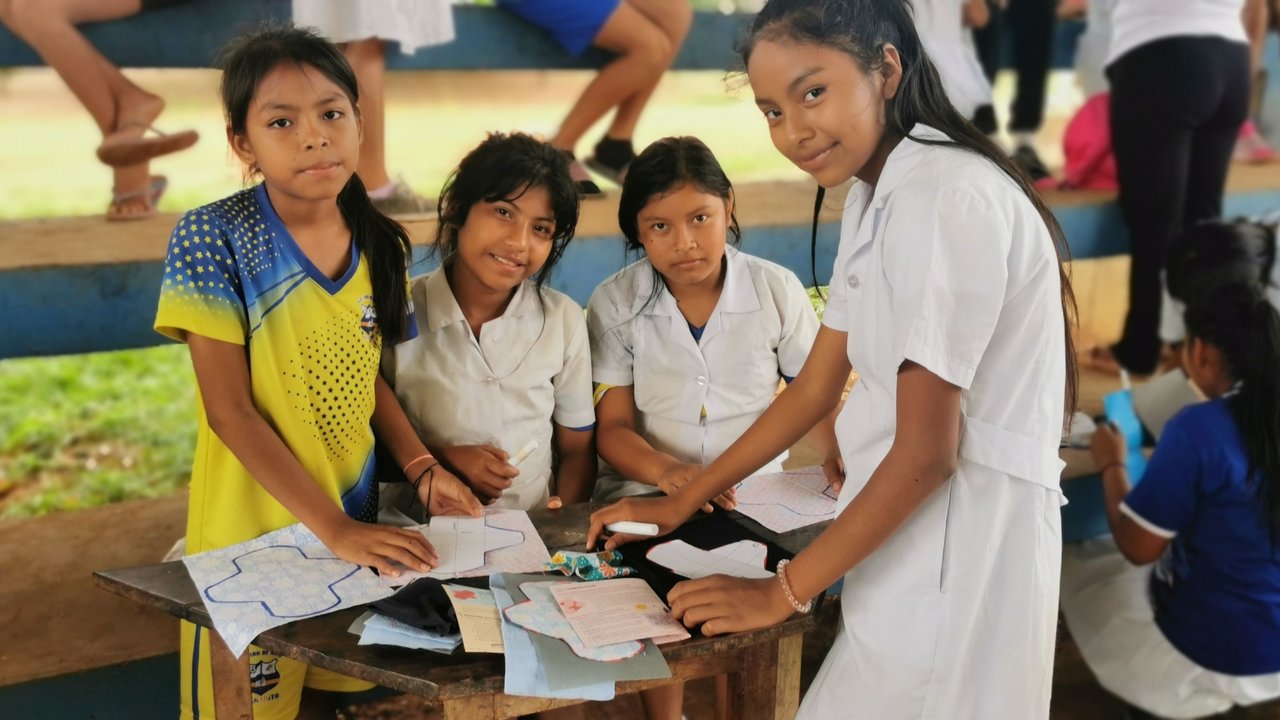
Through the game-based Forest Guarding methodology and training sessions on hand washing, oral hygiene and responsible water use, the project strengthened students’ knowledge and practices, fostering healthier behaviors and contributing to improved health within the community. The initiative also supported menstrual health education in the communities of Monteverde and Palmarito de la Frontera by providing girls and young women with menstrual hygiene kits and strengthening their autonomy and self-care.
Better prepared for emergencies
One of the main lessons learned from the 2024 wildfires was the need to strengthen local disaster preparedness coordination and response capacities for fire and other climate emergencies. While communities had developed their own mechanisms, there were significant gaps in planning, coordination, and equipment across the communities and authorities when responding to disasters.
In response, the project supported communities and schools in developing emergency preparedness plans, conducting simulation drills and forming emergency brigades. Teachers, students, parents, community leaders and indigenous authorities worked together to identify risks, map evacuation routes and establish clear response protocols, so-called standard operating procedures (SOPs).
The project also strengthened links between schools, communities and the already existing municipal early warning system. Through the use of drones for environmental surveillance, and trainings of teachers and students on a mobile application providing real-time information on wildfire hotspots, schools improved their ability to respond to climate-related risks before emergencies escalated. Schools serving the indigenous population – and, with them, the teachers, pupils and parents – are no longer merely recipients of EWS guidelines, but active shapers of their own resilience.
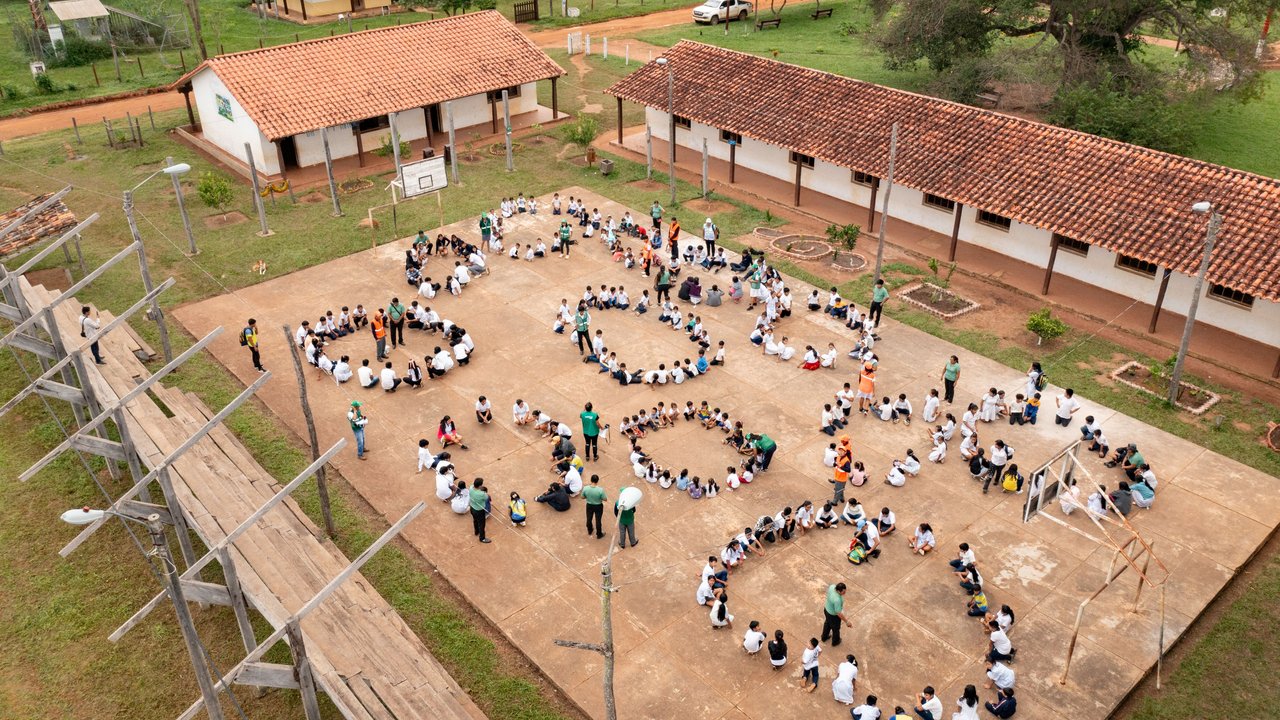
School emergency drill in Palmarito de la Frontera
Key results
8 community and school emergency preparedness plans (SEPP) designed and implemented
The project facilitated the participatory development of eight community and school emergency preparedness plans (SEPP), bringing together indigenous authorities, teachers, students, parents, community members and municipal authorities. As a result, all 8 target communities now have practical emergency response plans and stronger institutional coordination mechanisms to better anticipate and respond to environmental emergencies.
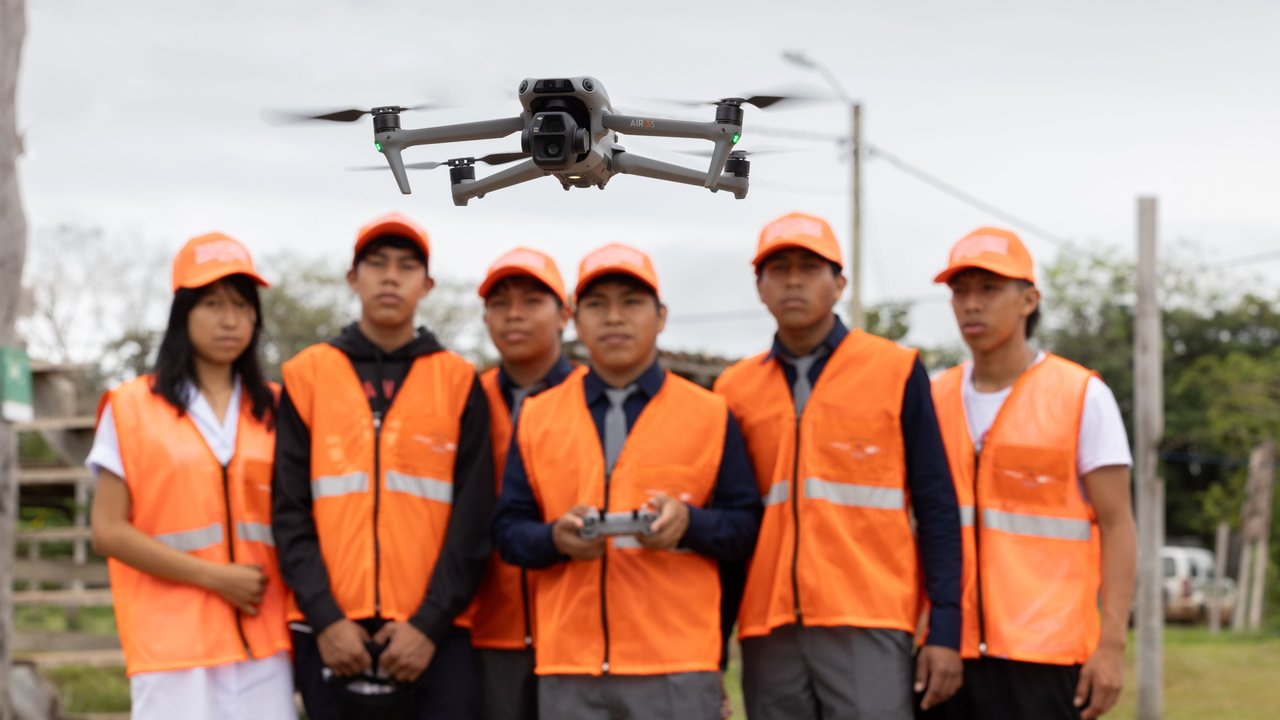
School emergency brigade – Palmarito de la Frontera
16 emergency drills conducted across 8 schools
Over 500 participants, including children, adolescents and community members, participated in emergency simulation drills. The project supported the establishment of 24 emergency brigades (3 per school) across participating schools and communities, responsible for initial response actions, assisting with evacuation procedures and promoting preparedness at the local level.
0 climate-related school closure days reported during the project period
Strengthened preparedness measures and improved early warning system helped school remain operational without climate-related disruptions.
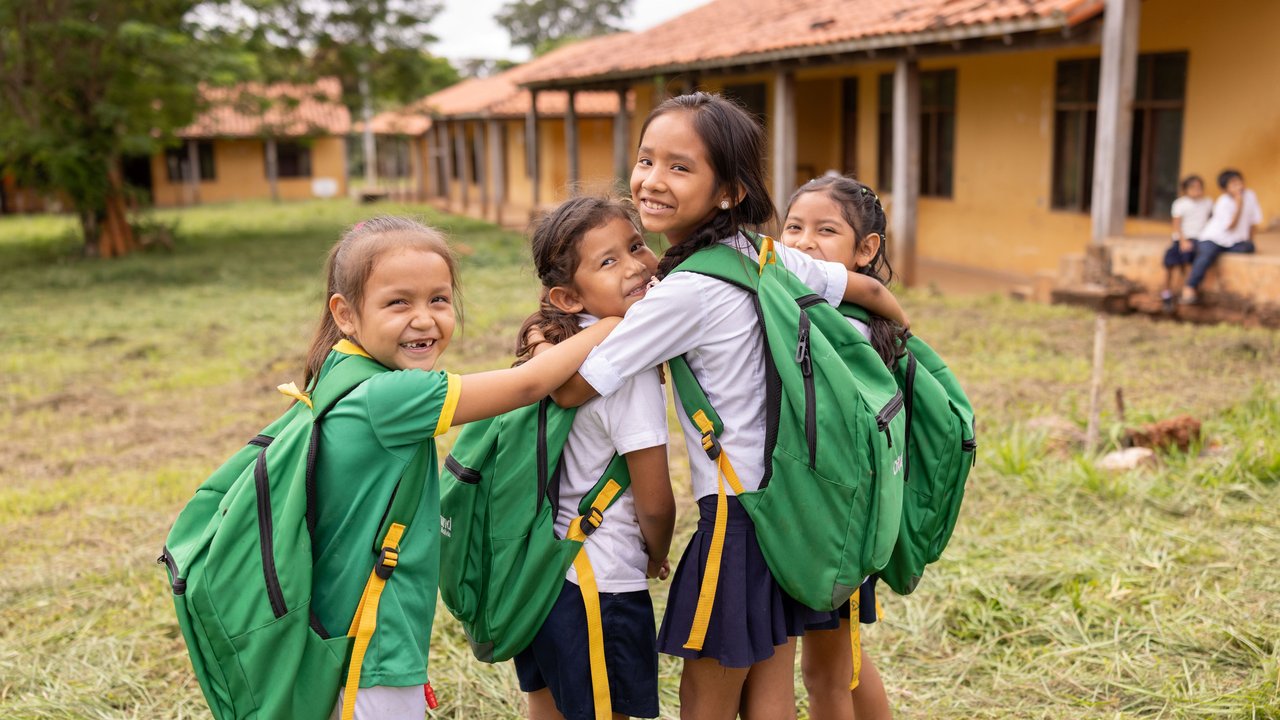
School of Monte Verde
Youth leading climate action
At the heart of the project was the belief that young people should not only be protected from climate-related risks, but also empowered to address them. A key achievement of the project was the strengthening of JUMA (Youth United for the Environment) as a youth-led network for environmental action and community leadership within the Monte Verde Indigenous Territory. Through environmental advocacy and digital communication, JUMA members developed and led community campaigns promoting water and forest conservation, climate justice and sustainable environmental practices. Taking a culturally relevant approach, they engaged local communities in reforestation and awareness-raising activities through their own theatre production, Guardians of the Forest.
JUMA's impact extended beyond community action. Supported by the initiative, young people contributed to the development of public policy proposals. They promoted rights-based, gender-oriented and territorially relevant approach, while ensuring that youth perspectives were reflected in local decision-making. Through a Nature-Based Solutions competition, students and teachers also designed and implemented environmental initiatives, that respond to the specific needs of their communities, including an ecological trail, a school garden and a pollinator garden.
At the same time, JUMA members represented their communities at national and international forums, including Local Conference of Youth (LCOY) Bolivia, the 30th United Nations Climate Change Conference (COP30) and 23rd session of the United Nations Convention to Combat Desertification Committee for the Review of the Implementation of the Convention (UNCCD CRIC23), helping bring Indigenous youth voices into global conversations on climate justice, sustainable land management and intergenerational leadership.
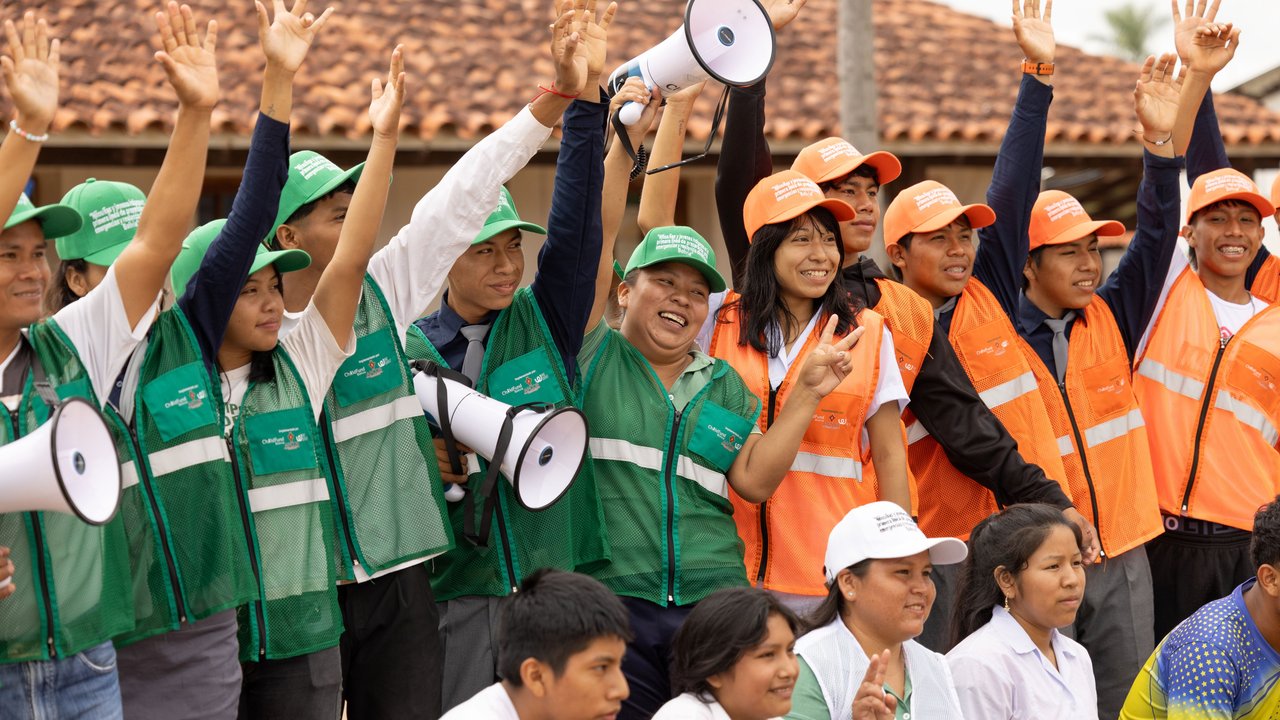
School emergency brigade
Key results
11,632 online engagements generated through youth-led environmental campaigns
Armed with new skills in climate advocacy and digital communication, the young people launched campaigns to raise awareness of forest conservation, water security, and climate justice. Through JUMA, they became visible ambassadors for their communities, reaching thousands of people via social media and public engagement.
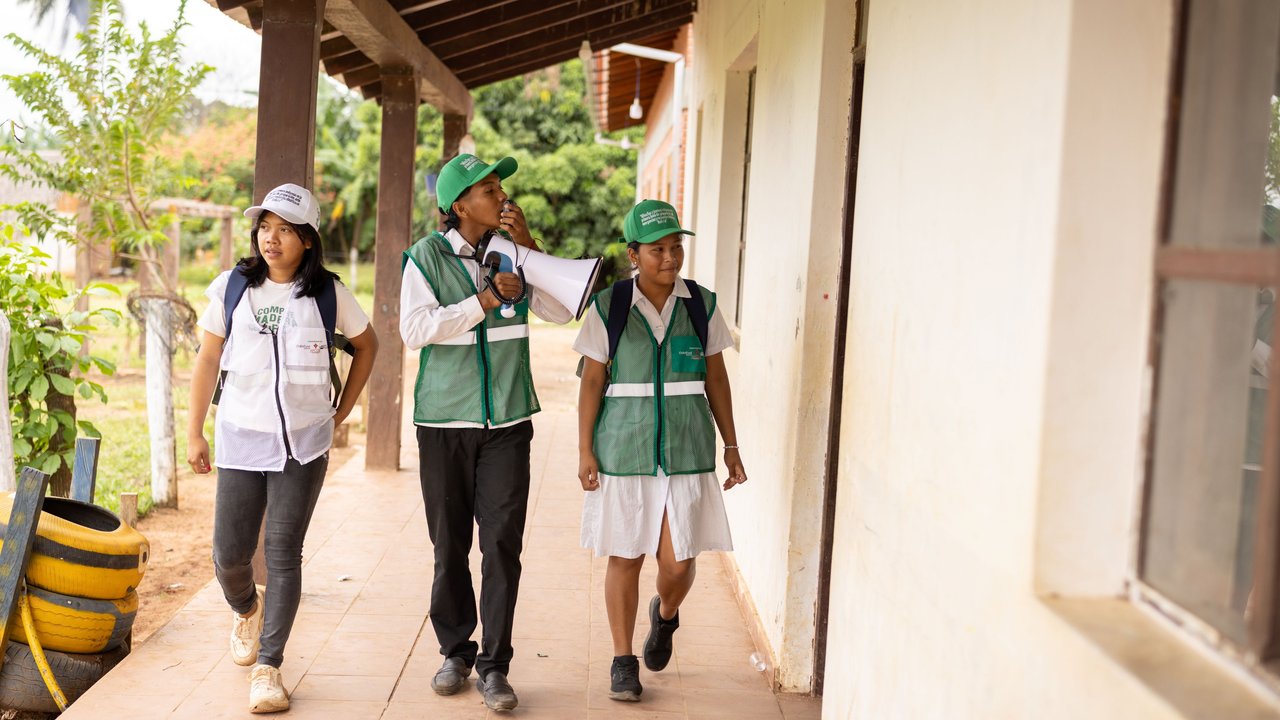
School emergency brigade
300 community members and 25 local authorities recognizing JUMA as resilience builders
Through environmental campaigns and public policy engagement, JUMA strengthened its visibility as a youth-led voice for climate action in the Monte Verde Territory. Its advocacy efforts increased awareness among local authorities, while community events, including the Guardians of the Forest theatre performances, helped more than 300 community members recognize JUMA as leaders in environmental stewardship and resilience-building.
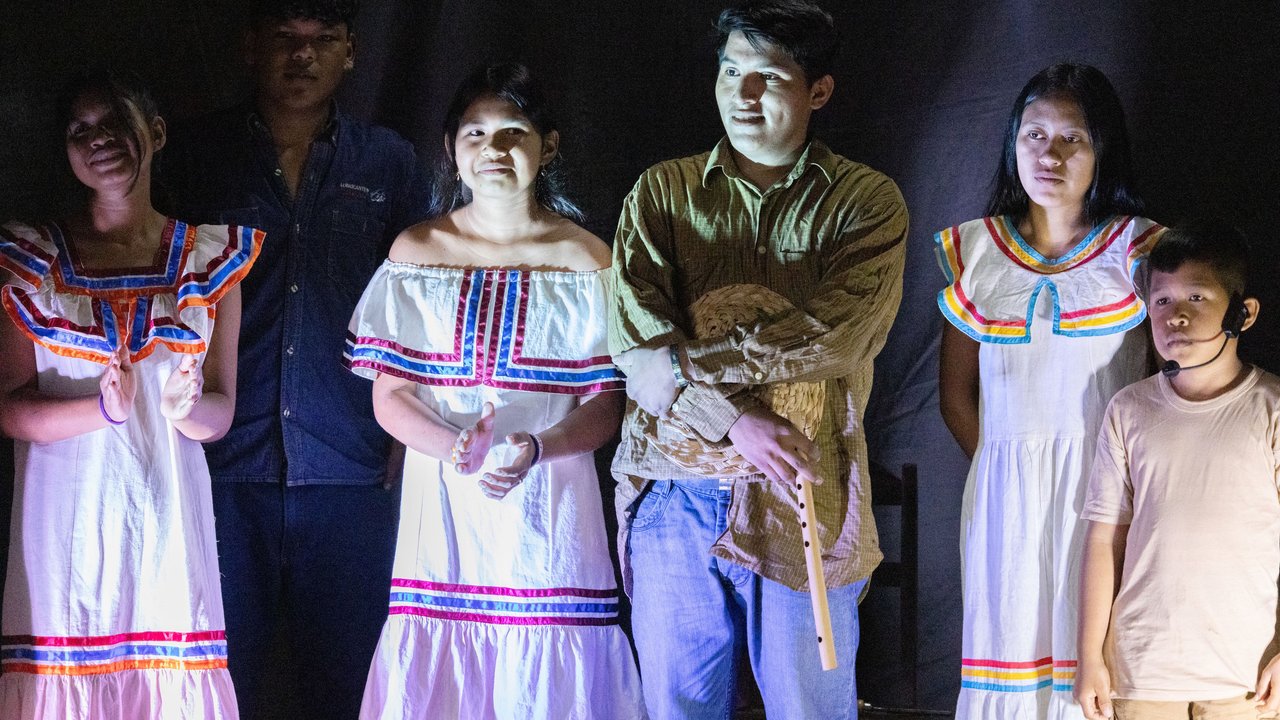
JUMA theater play – Concepción
3 student-led Nature-Based Solutions (NBS) projects implemented
Through a NBS contest, students and teachers designed and implemented three projects that respond to the specific needs of their communities in food security and biodiversity conservation: Ecological Trail in Monte Verde, Mini School Garden in Puerto San Pedro and Pollinator Ecological Garden (Hands on the Earth) in Palmarito de la Frontera. Thanks to these initiatives, over 500 students and teachers increased their awareness of nature-based approach to environmental care
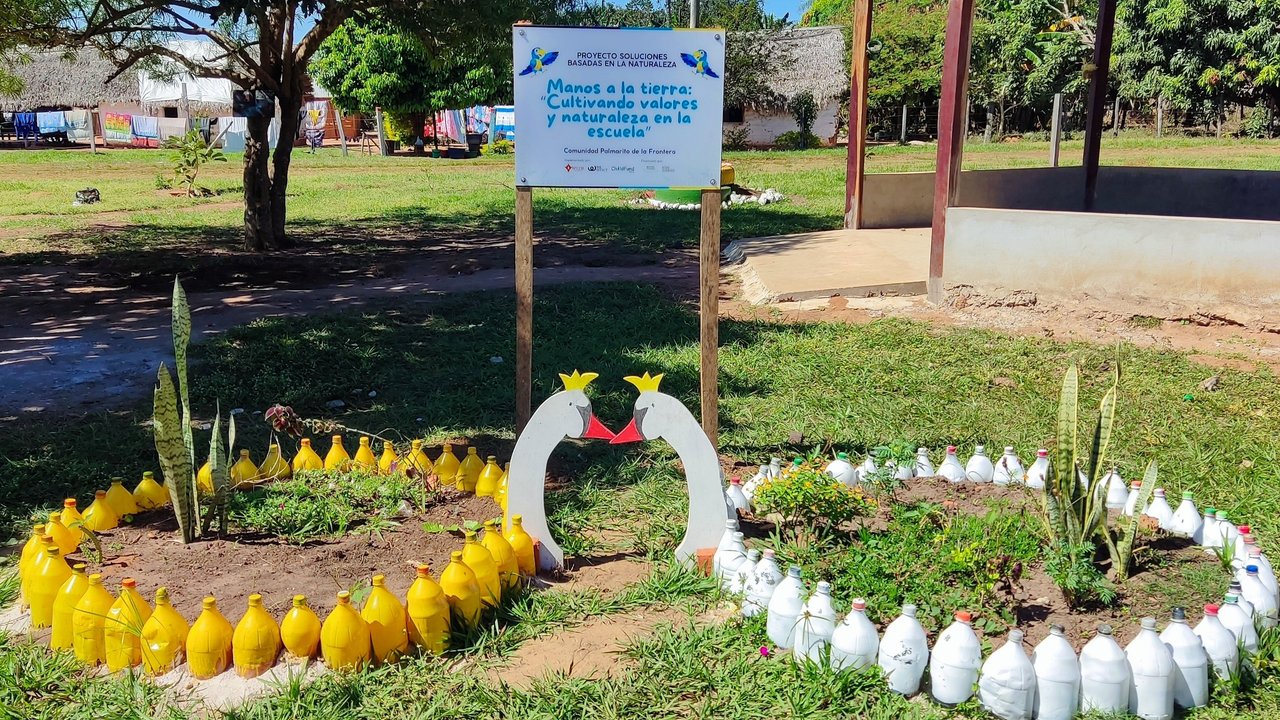
Ecological Garden – Pollinator Project in Palmarito de la Frontera
A legacy beyond the project
Across the Monte Verde Indigenous Territory, communities have strengthened their ability to manage water resources, prepare for emergencies and respond to climate-related risks. Perhaps most importantly, indigenous children and young people have taken a role of leaders of change, helping shape solutions for the future of their communities. The experience demonstrates how replicable and scalable resilience can be built when local knowledge, community ownership and youth leadership come together.
Thanks to the RISK Award funding, we were able to successfully implement a robust pilot project in 8 of the region’s approximately 50 indigenous communities on a sustainable basis. Local communities took ownership and responsibility for the project. Even whilst the project was still underway, other communities expressed an interest in similar structures and models. ChildFund Bolivia and the Munich Re Foundation are therefore actively seeking further funding opportunities to expand the project and, where possible, scale it up. The proof of concept has been demonstrated.
The RISK Award, jointly hosted by the Munich Re Foundation and the United Nations Office for Disaster Risk Reduction (UNDRR), supports innovative solutions for disaster risk reduction. The 2025 winning project – “Indigenous children and youths on the front line of emergency preparedness and climate resilience in Bolivia” – ran from July 2025 to June 2026 and has now been concluded.
Further information
.JPG/_jcr_content/renditions/crop-16x9-1280.jpg./crop-16x9-1280.jpg "Planting Trees for Environmental Conservation")
.jpg/_jcr_content/renditions/original./2025%20RISK%20Award%20Bolivia%20Update%201%20(4).jpg "Group photo after an emergency drill in Monte Verde")