
International Conference on Inclusive Insurance 2024
Summary
21 - 25 October 2024
Kathmandu, Nepal
Strengthening economic development through insurance
By Dirk Reinhard*
The International Conference on Inclusive Insurance 2024 (ICII 2024) took place from 21-25 October 2024 at the historic Lal Durbar Convention Centre / Yak & Yeti Hotel in Kathmandu, Nepal. Around 500 Experts from 43 countries discussed and identified ways to accelerate the growth and economic viability of inclusive insurance in emerging markets. The conference was hosted by the Nepal Insurers' Association, Life Insurance Association Nepal, Nepal Microinsurance Association and the Nepal Insurance Authority, in collaboration with the Munich Re Foundation and the Microinsurance Network.
Summary video of the ICII 2024


.jpg/_jcr_content/renditions/crop-16x9-1280.jpg./crop-16x9-1280.jpg "Field trip ICII 2024 - Nepal")
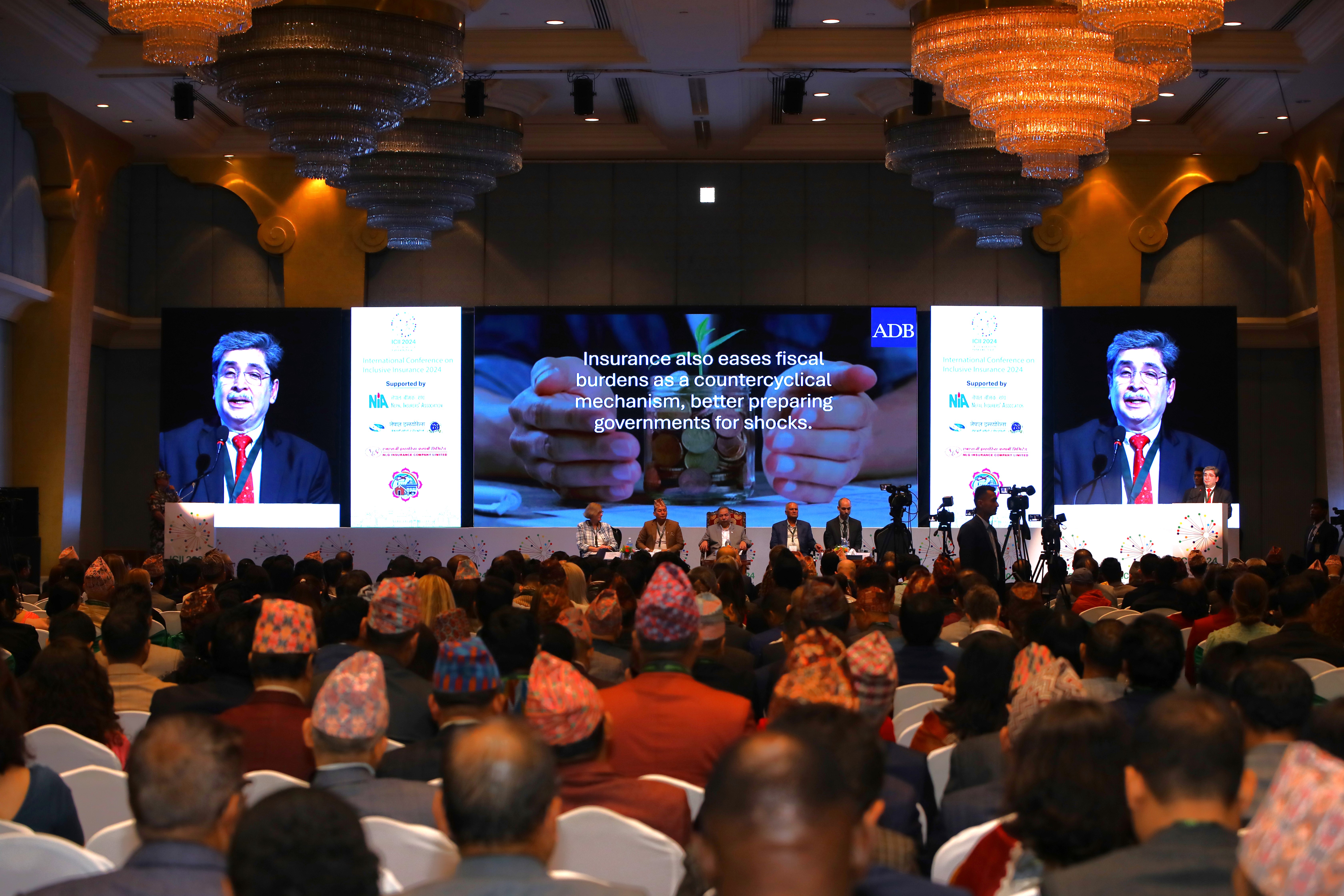
ICII 2024 Keynote by Arup Chatterjee, ADB
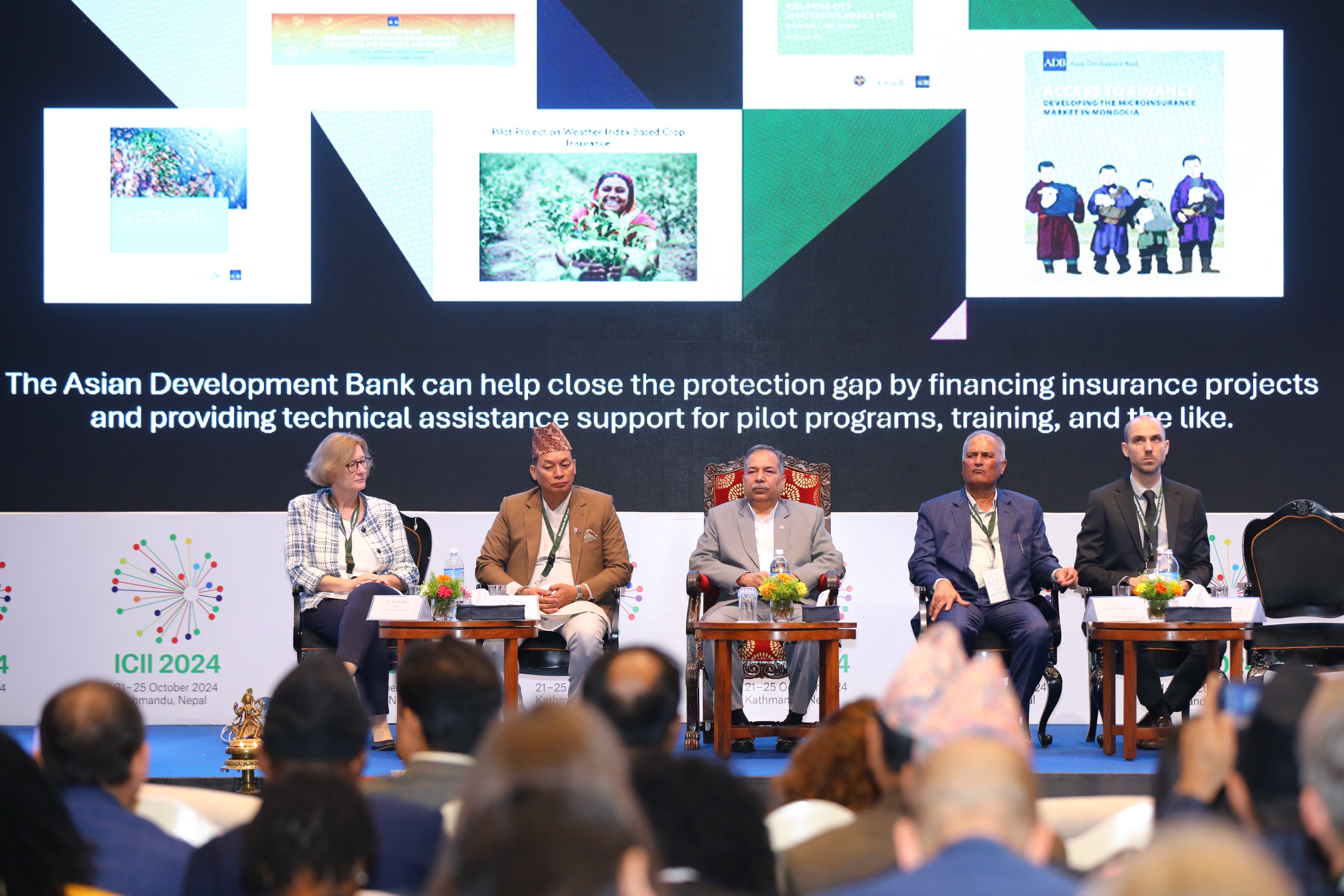
Left to right: Renate Bleich, Chair, Munich Re Foundation; Chunky Chhetry CEO, Sagarmatha Lumbini Insurance / President of the Nepal Insurers' Association; Ramsahay Prasad Yadav Hon'ble Vice President of Nepal; Surya Prasad Silwal, Chairman of the Nepal Insurance Authority, Nepal; Matthew Genazzini, Executive Director, Microinsurance Network, Luxembourg
Opening of the ICII 2024
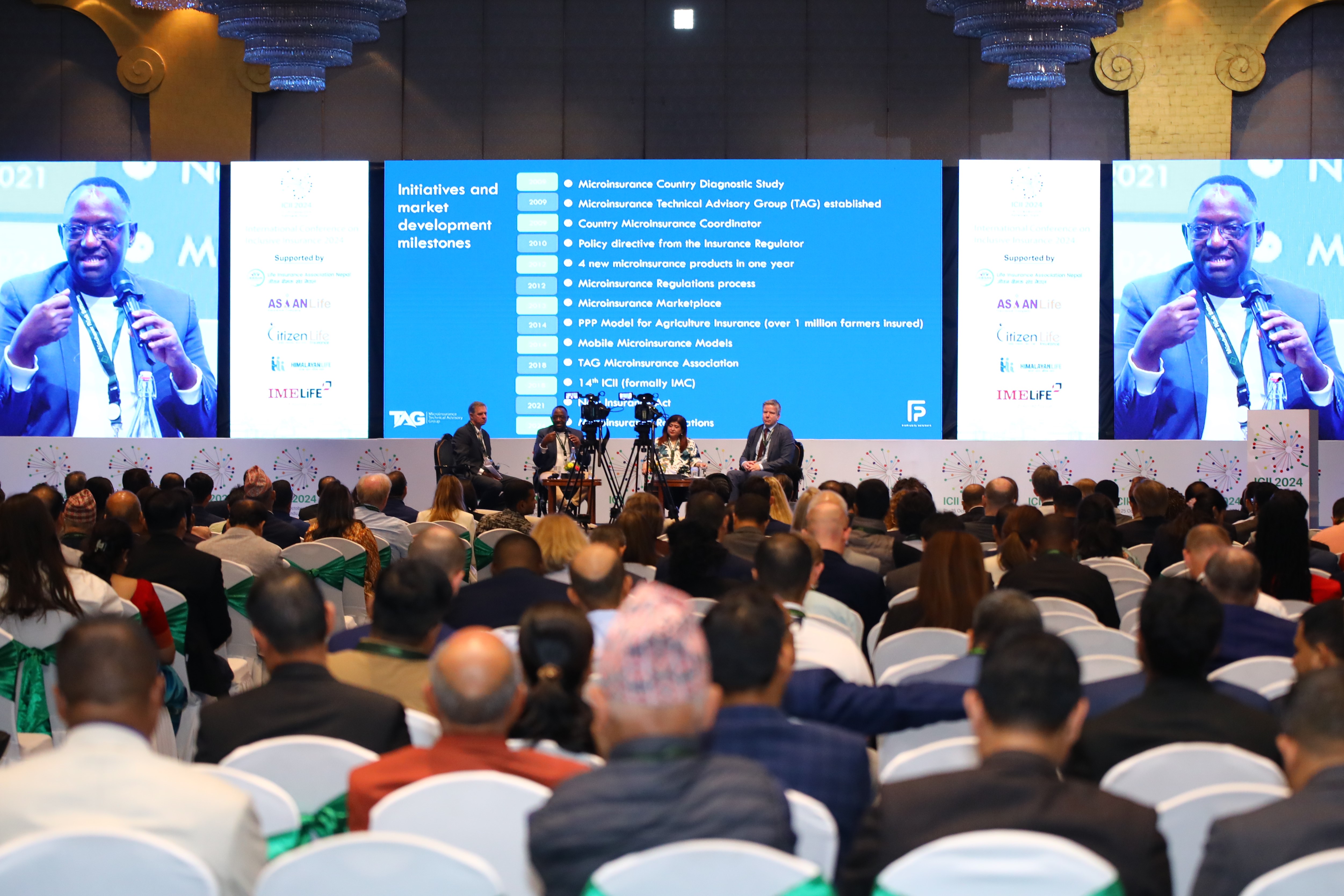
Plenary 7 - 20th International Conference on Inclusive Insurance: Looking back at key trends, successes and failures in selected countries
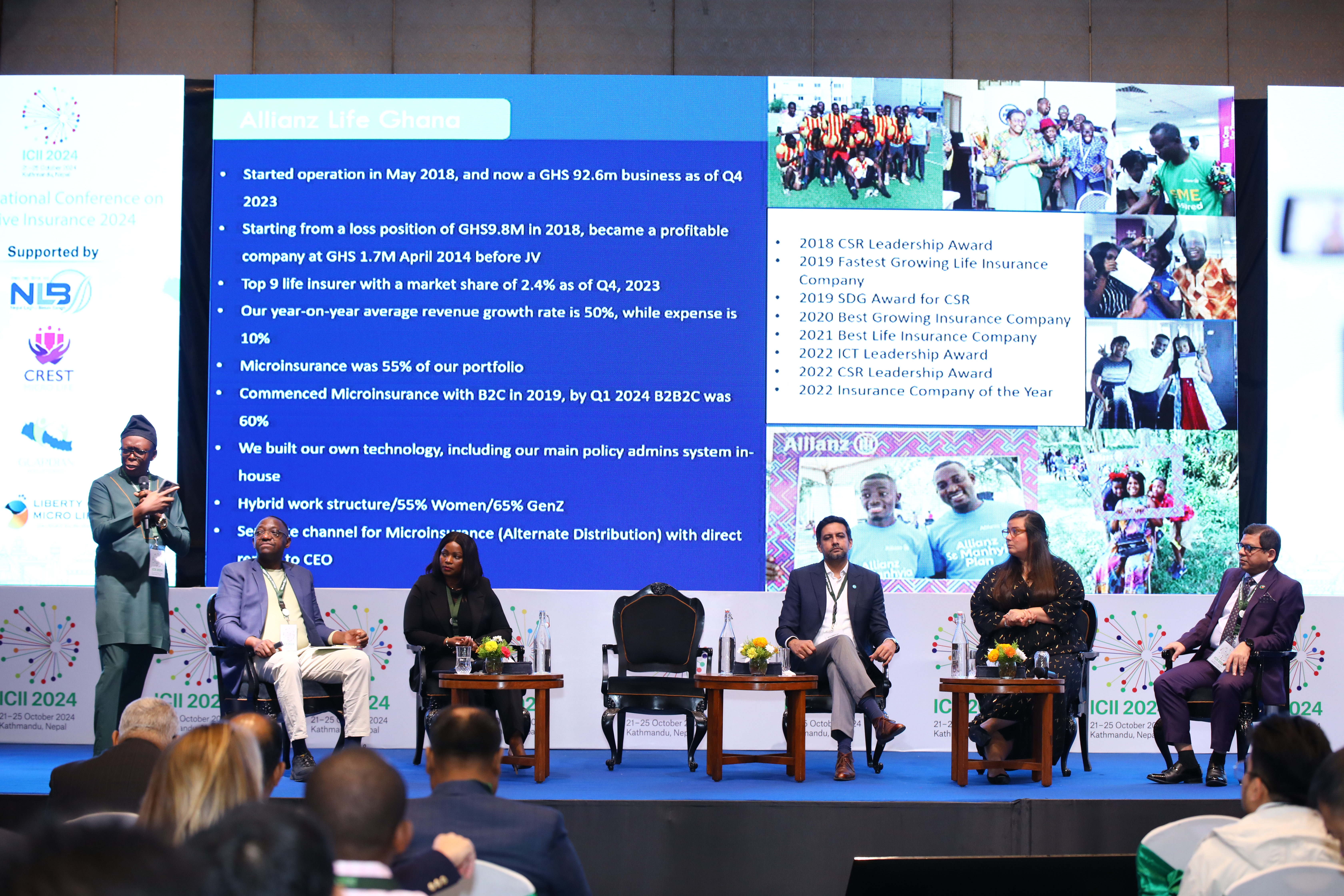
Parallel session 1 - Top line and bottom line strategies for inclusive insurance
Hosted by FinProbity Solutions
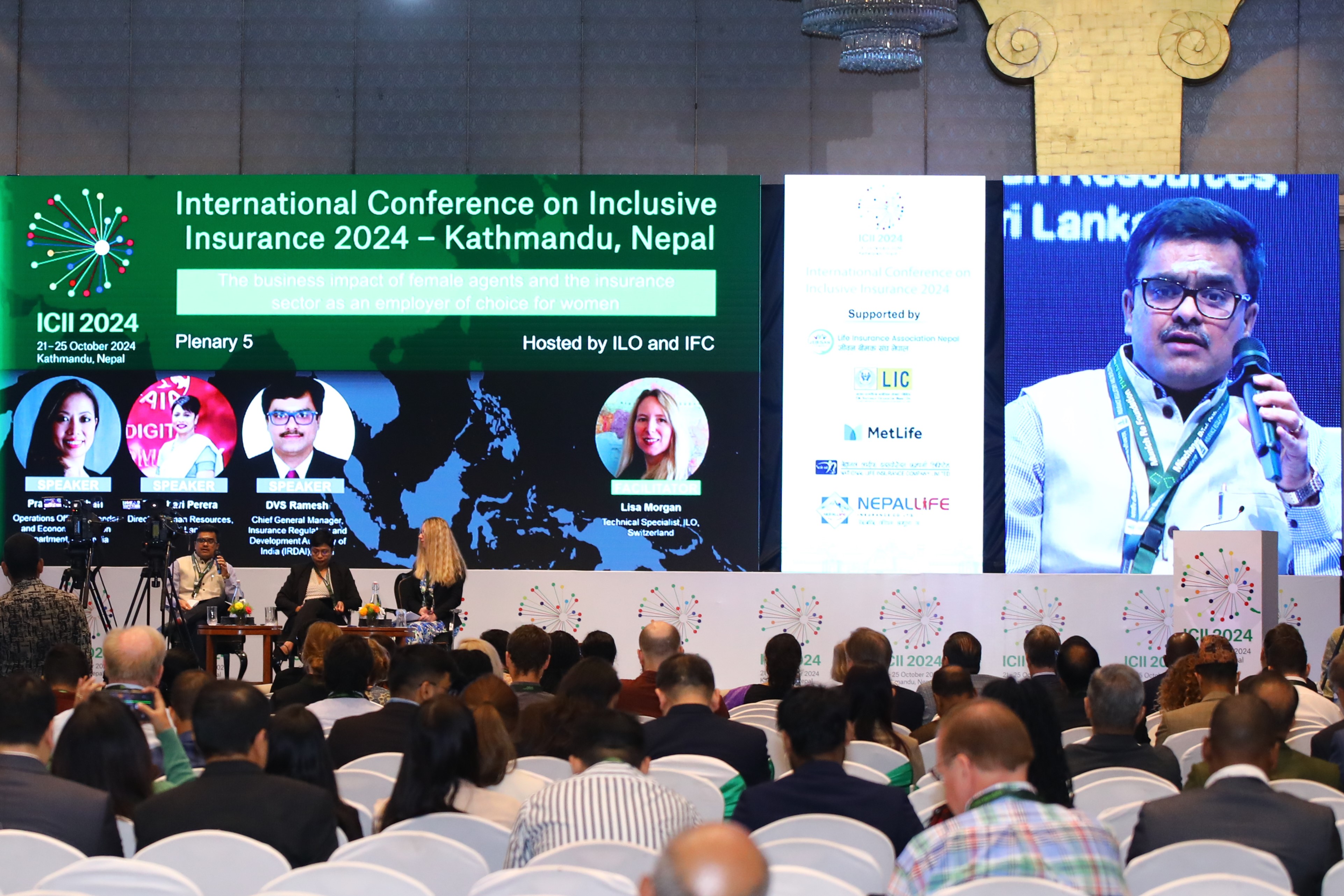
Plenary 5 - The business impact of female agents and the insurance sector as an employer of choice for women
Hosted by ILO and IFC
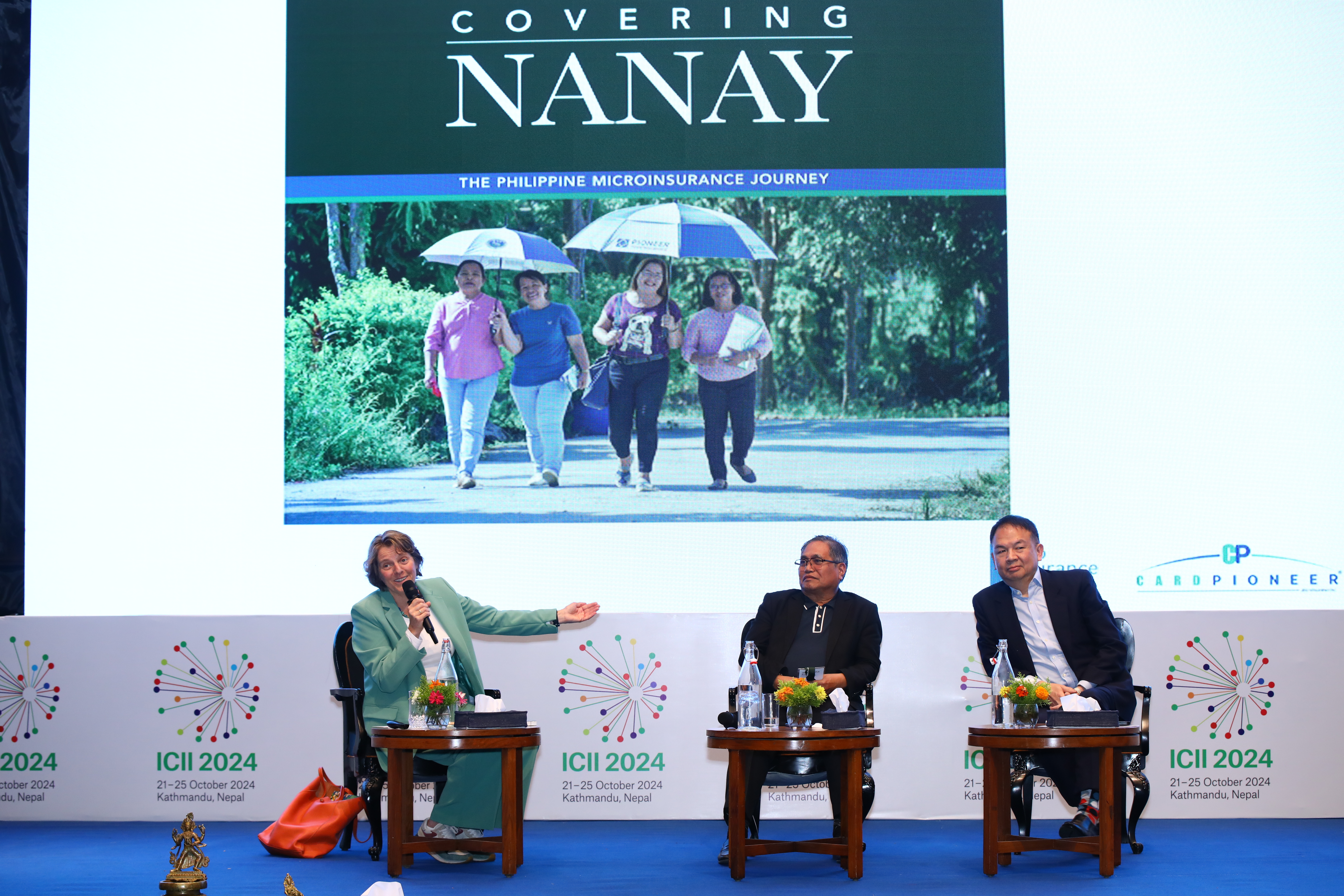
Plenary 3 - Covering Nanay: The microinsurance journey of Card Pioneer Microinsurance Inc. (CPMI) in the Philippines
Hosted by Microinsurance Network
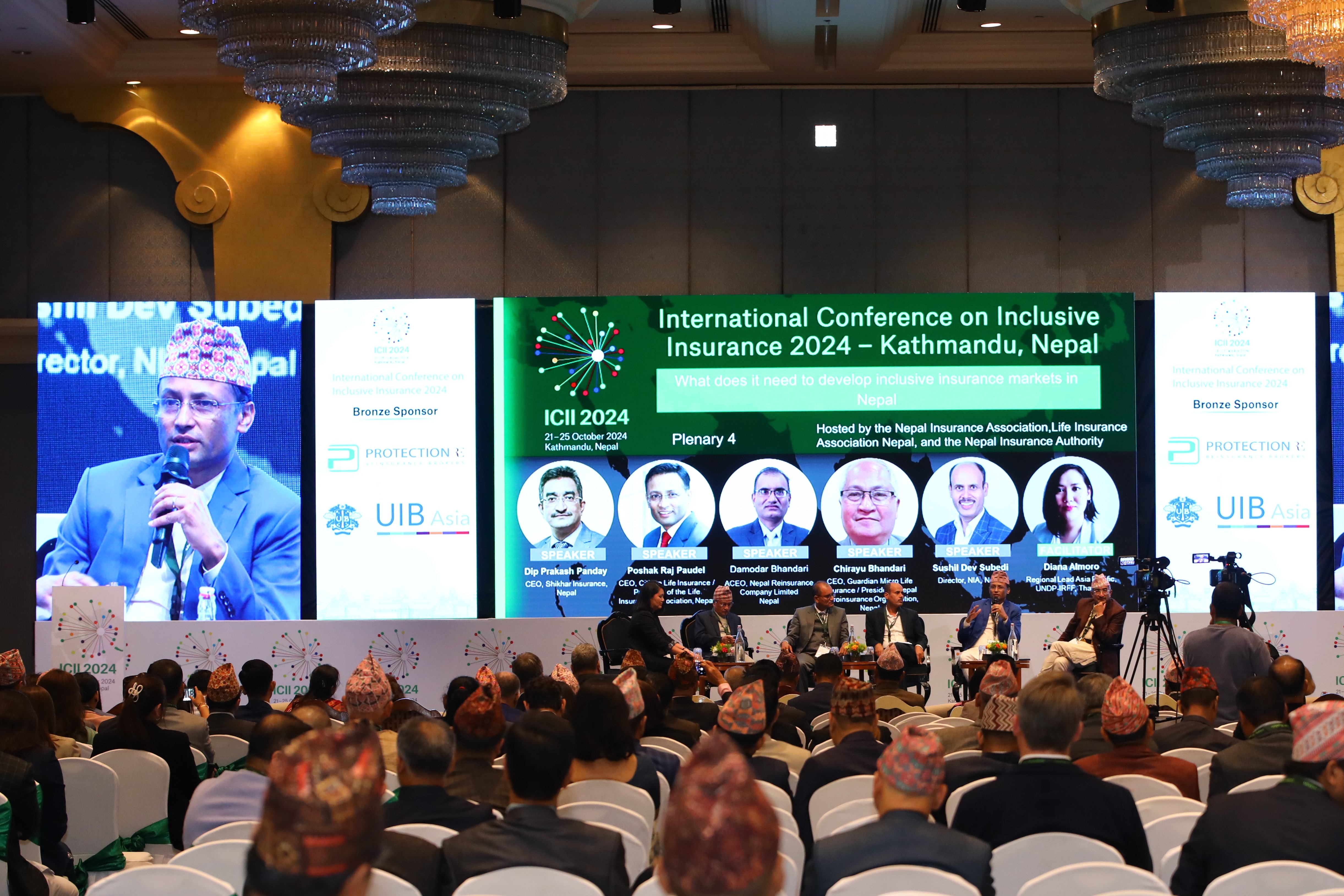
Plenary 4 - What does it need to develop inclusive insurance markets in Nepal
Hosted by the Nepal Insurance Association, Life Insurance Association Nepal, and the Nepal Insurance Authority
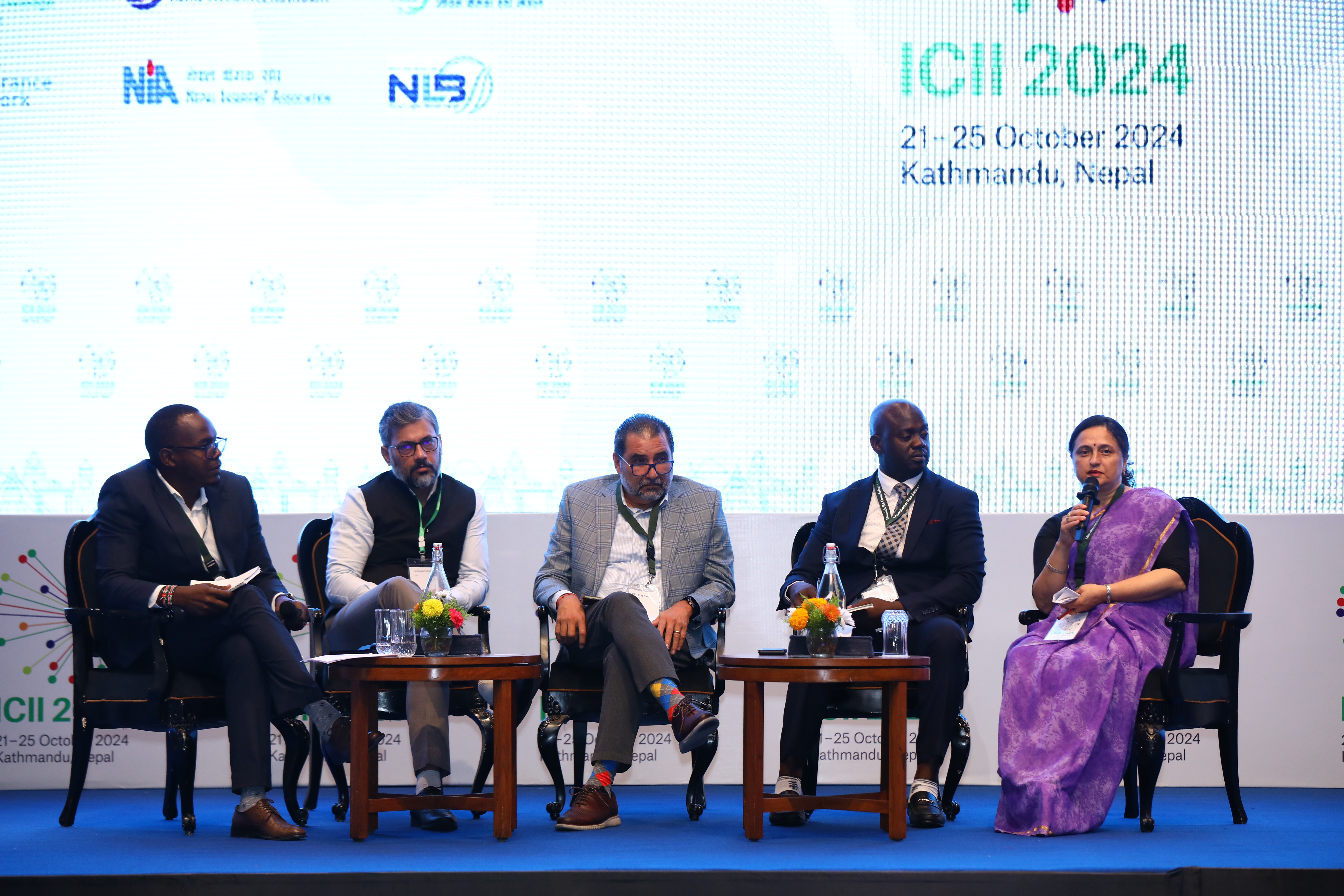
Plenary 6 - Financial resilience towards climate adaptation
Hosted by UNDP

Busy discussions at the Microinsurance Network stand
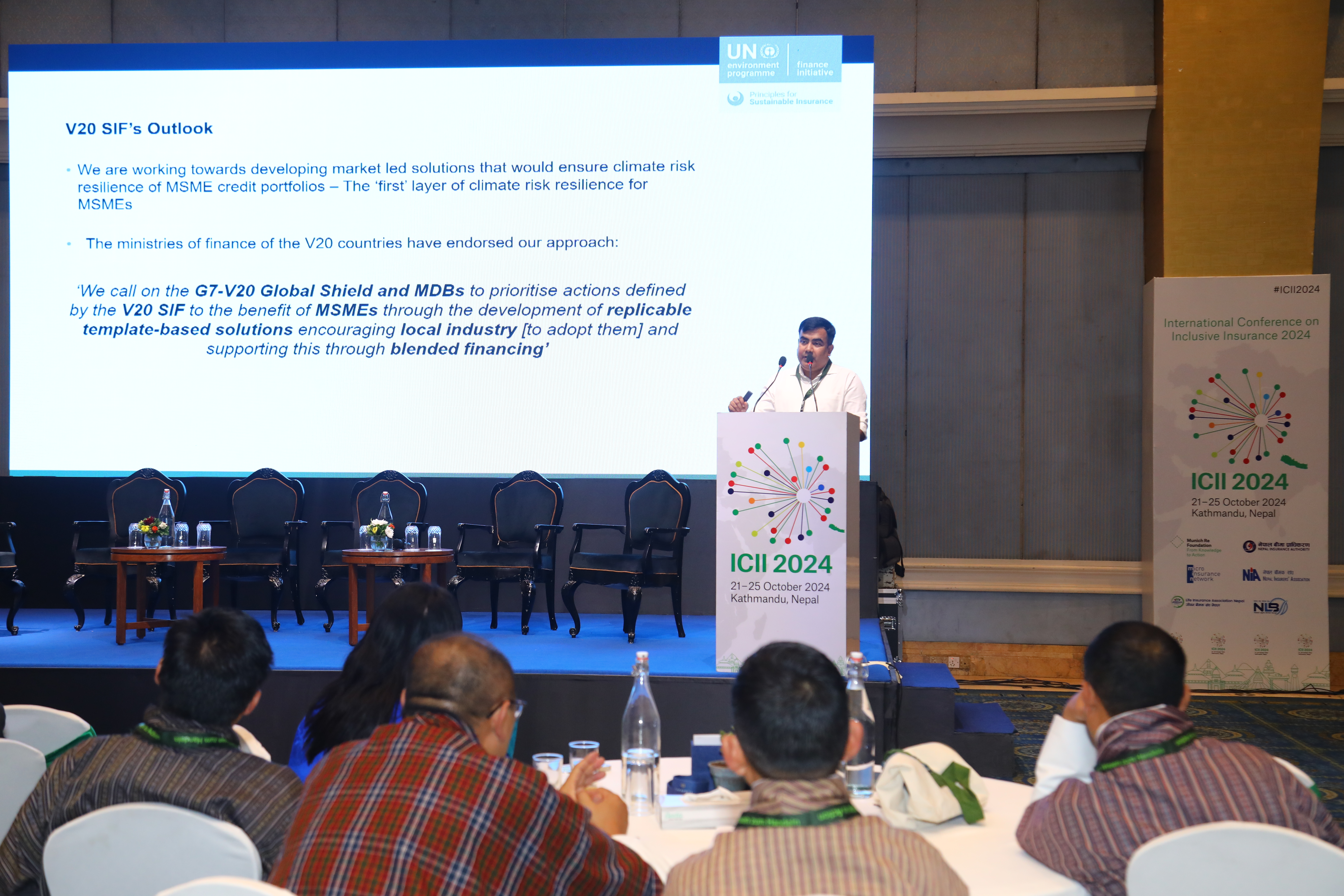
Pre-conference workshop 3 - Landscape of climate risk insurance solutions for MSMEs in V20 countries & How do 'climate risk resilient MSME credit portfolios lead to climate risk resilient MSMEs'
Hosted by UNEP
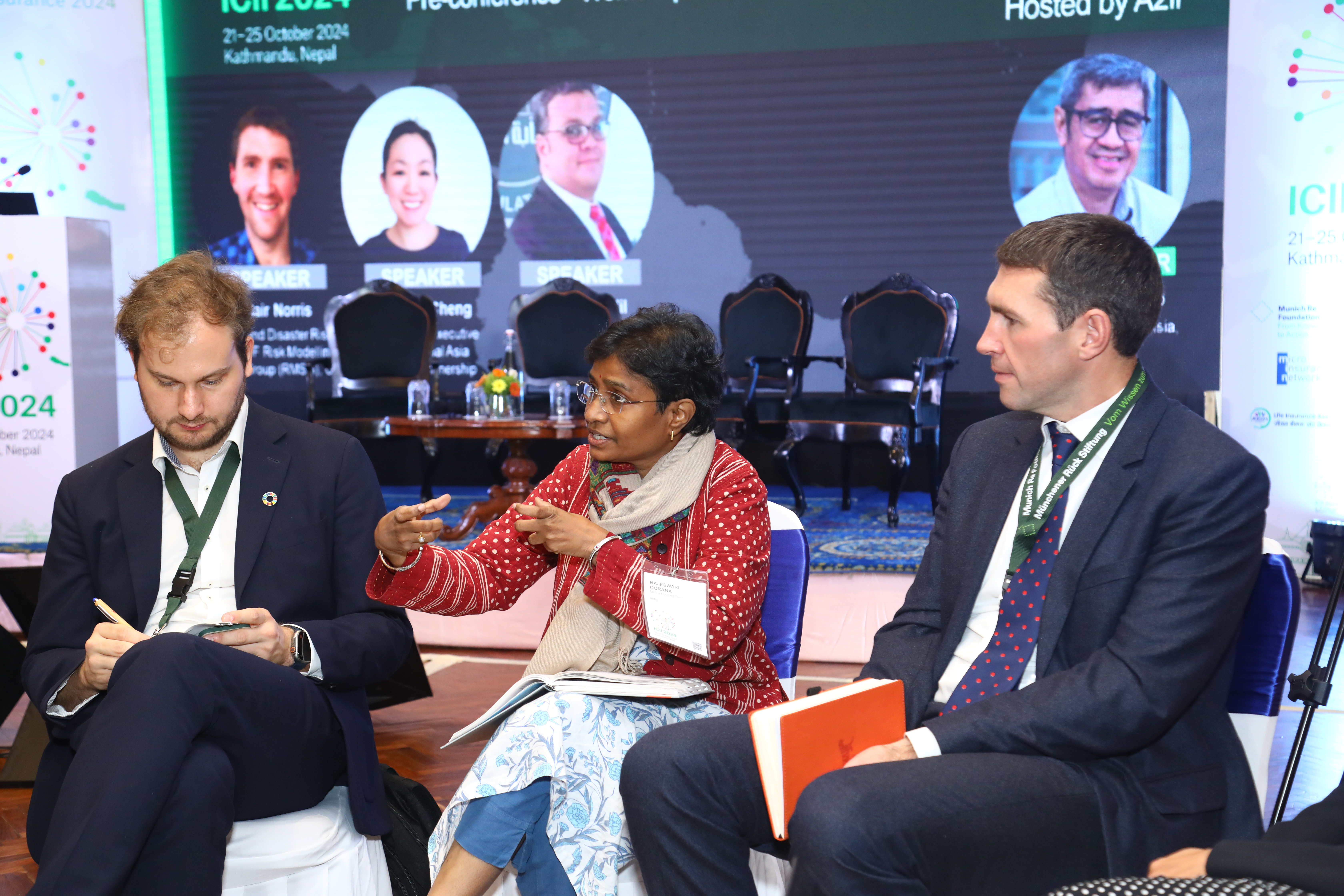
Pre-conference workshop 4 - A2ii Consultative Forum
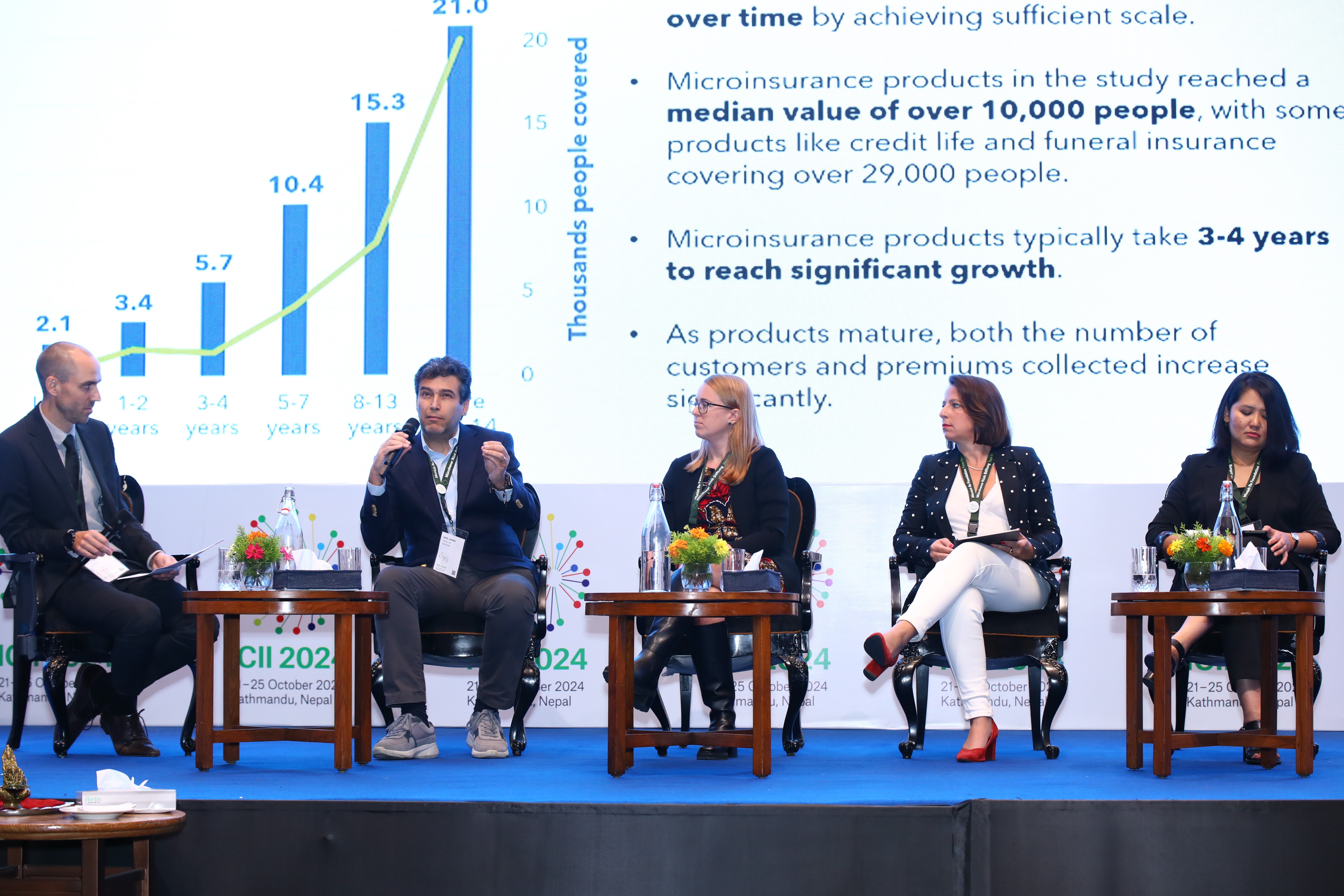
Plenary 2 - The Landscape of Microinsurance: Bridging gaps, building futures
Hosted by Microinsurance Network
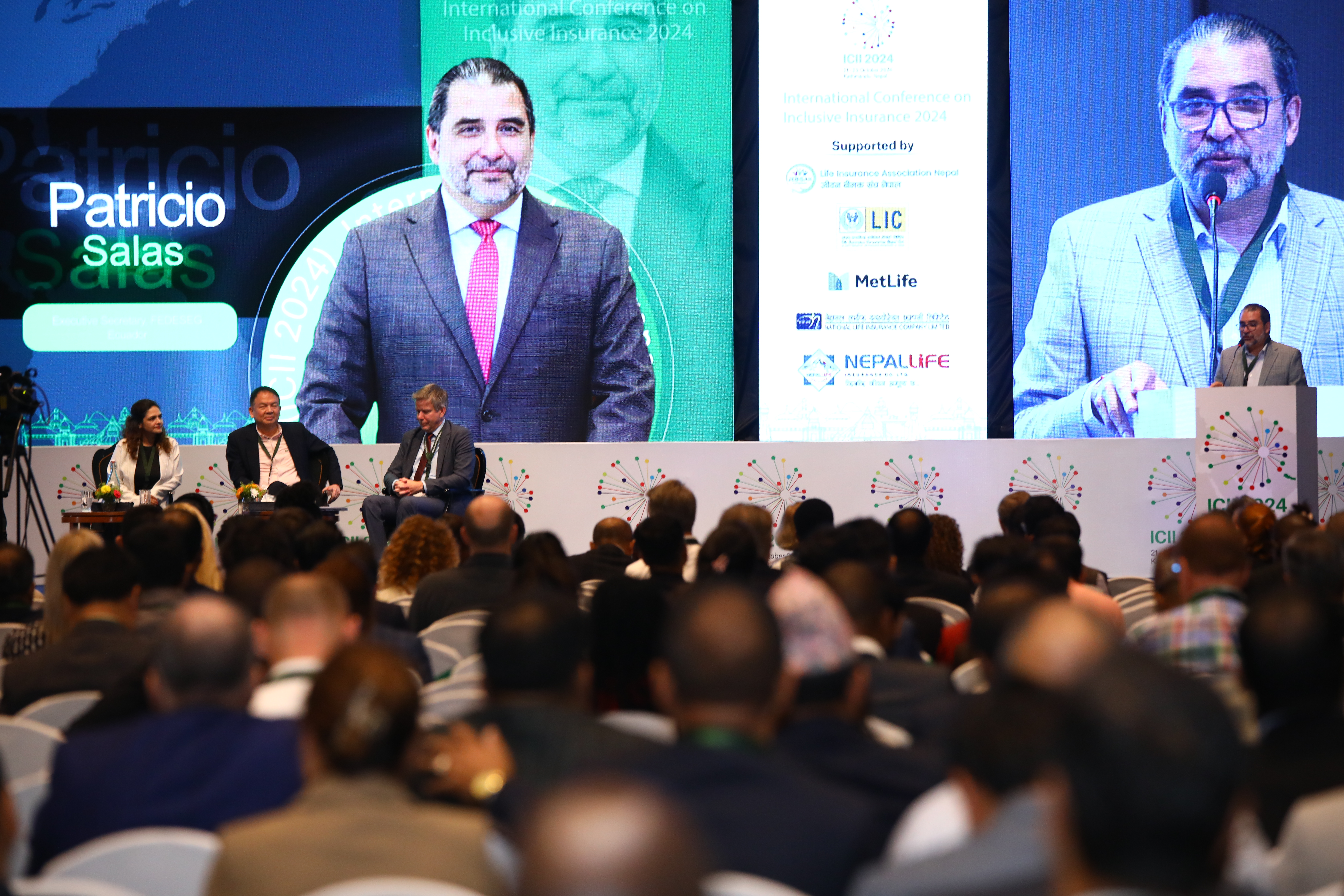
Patricio Salas, Executive Secretary, FEDESEG, Ecuador: Announcement of the ICII 2025
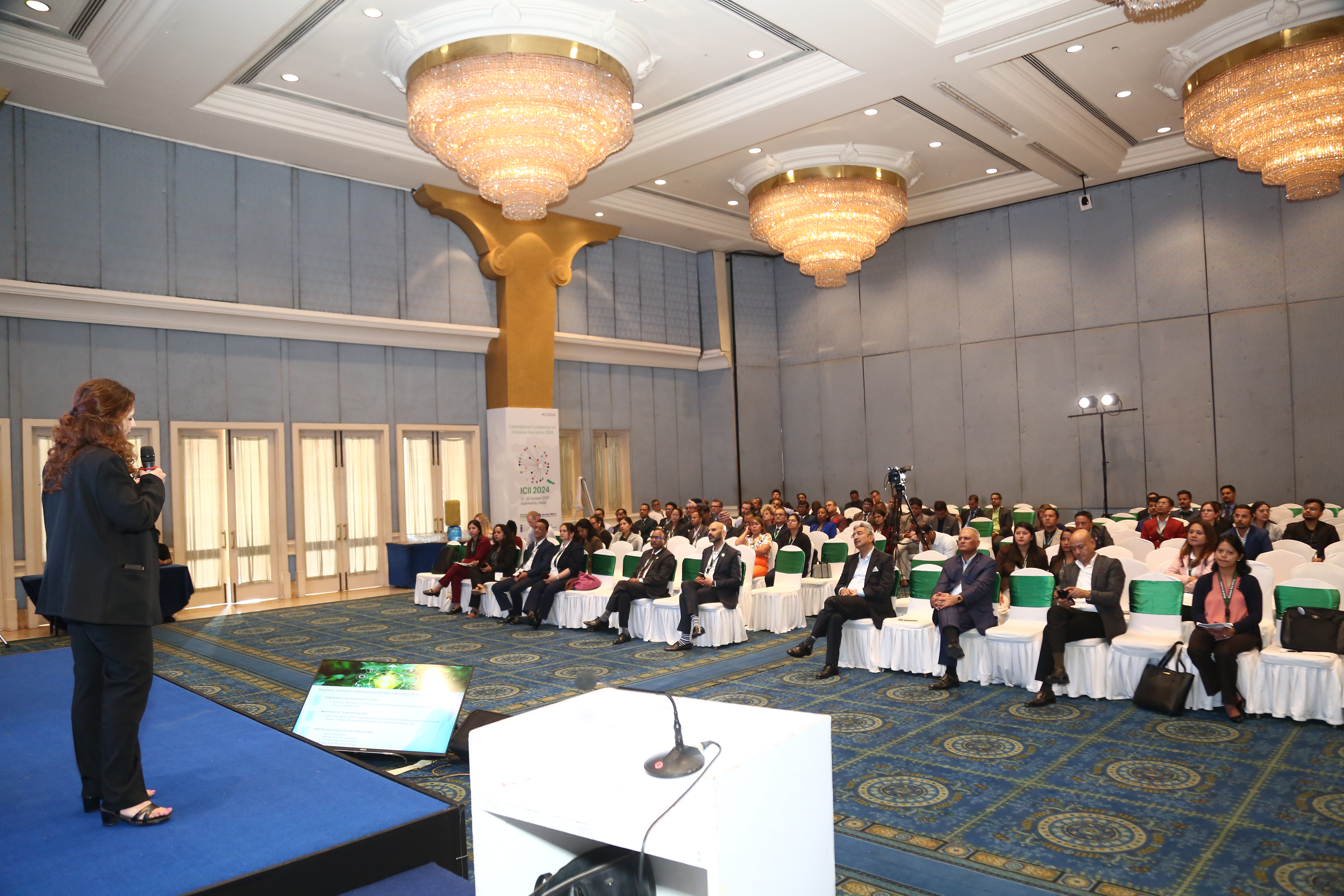
Pujan Dhungel Adhikari Director, NIA speaking at parallel session 11 - Growing global actuarial capacity to support sustainable economic and inclusive insurance development
Hosted by Actuarial Society of Nepal
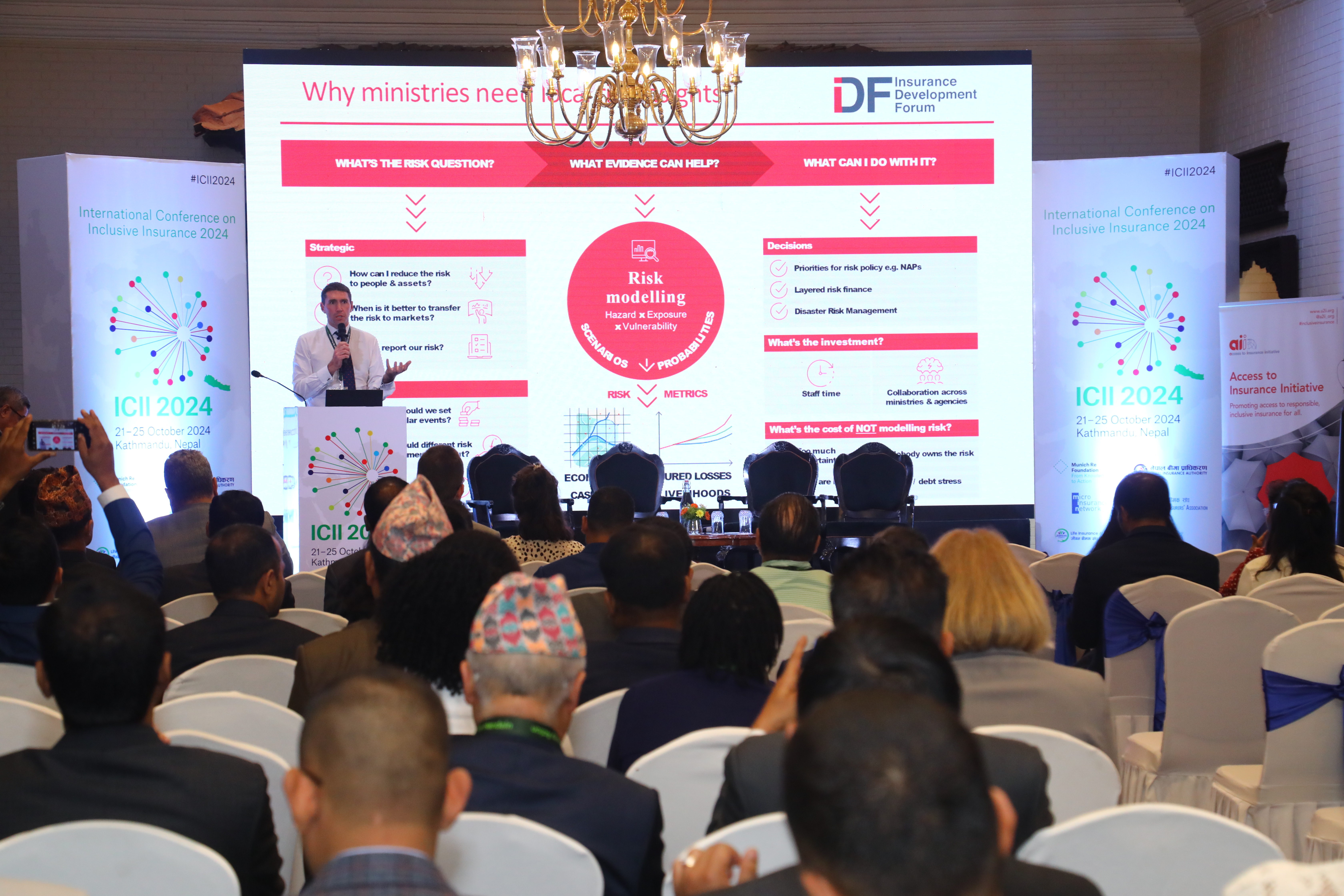
Pre-conference workshop 4 - A2ii Consultative Forum
Session 2: Advanced analytics and practical applications
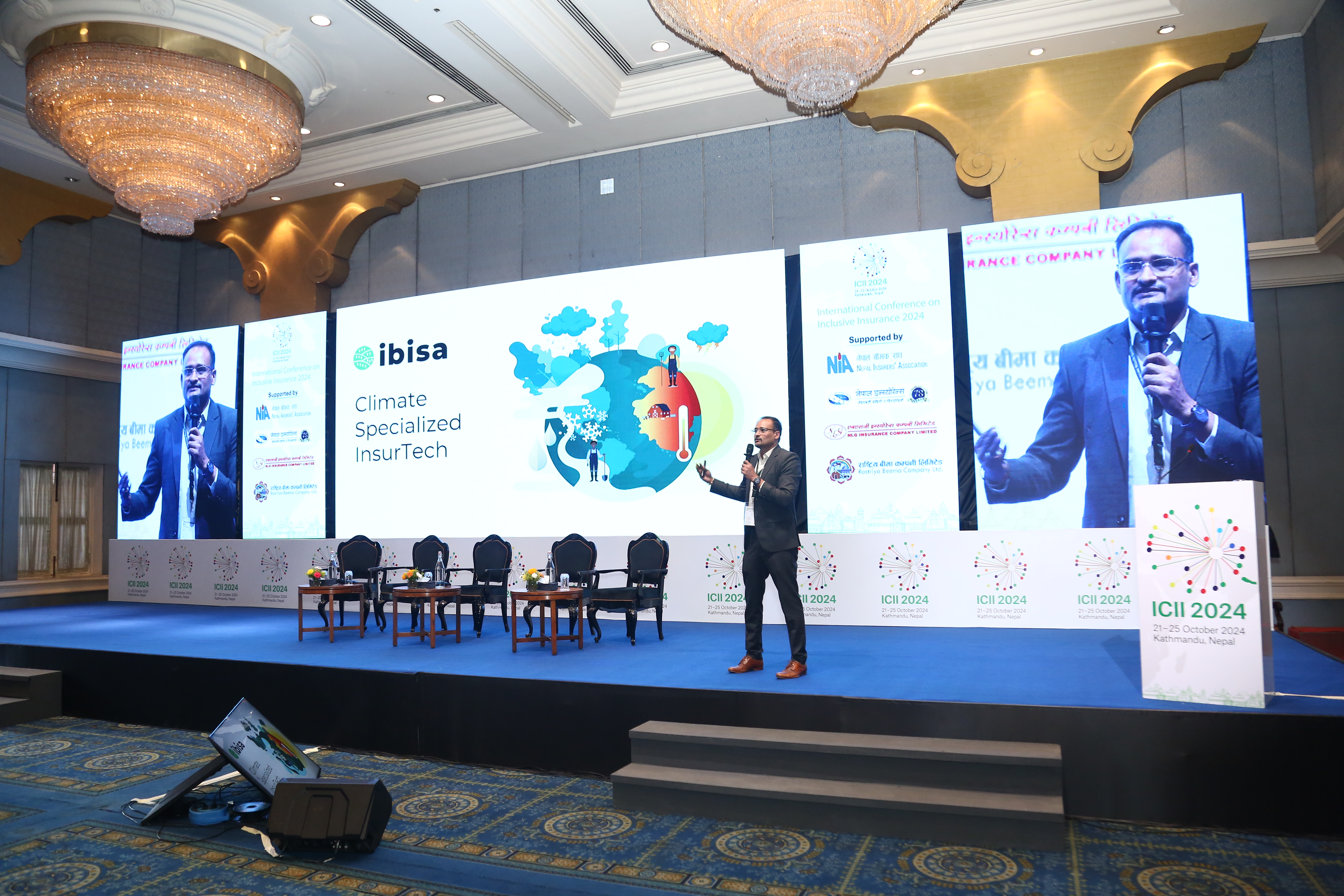
Parallel session 7 - Pitching sessions
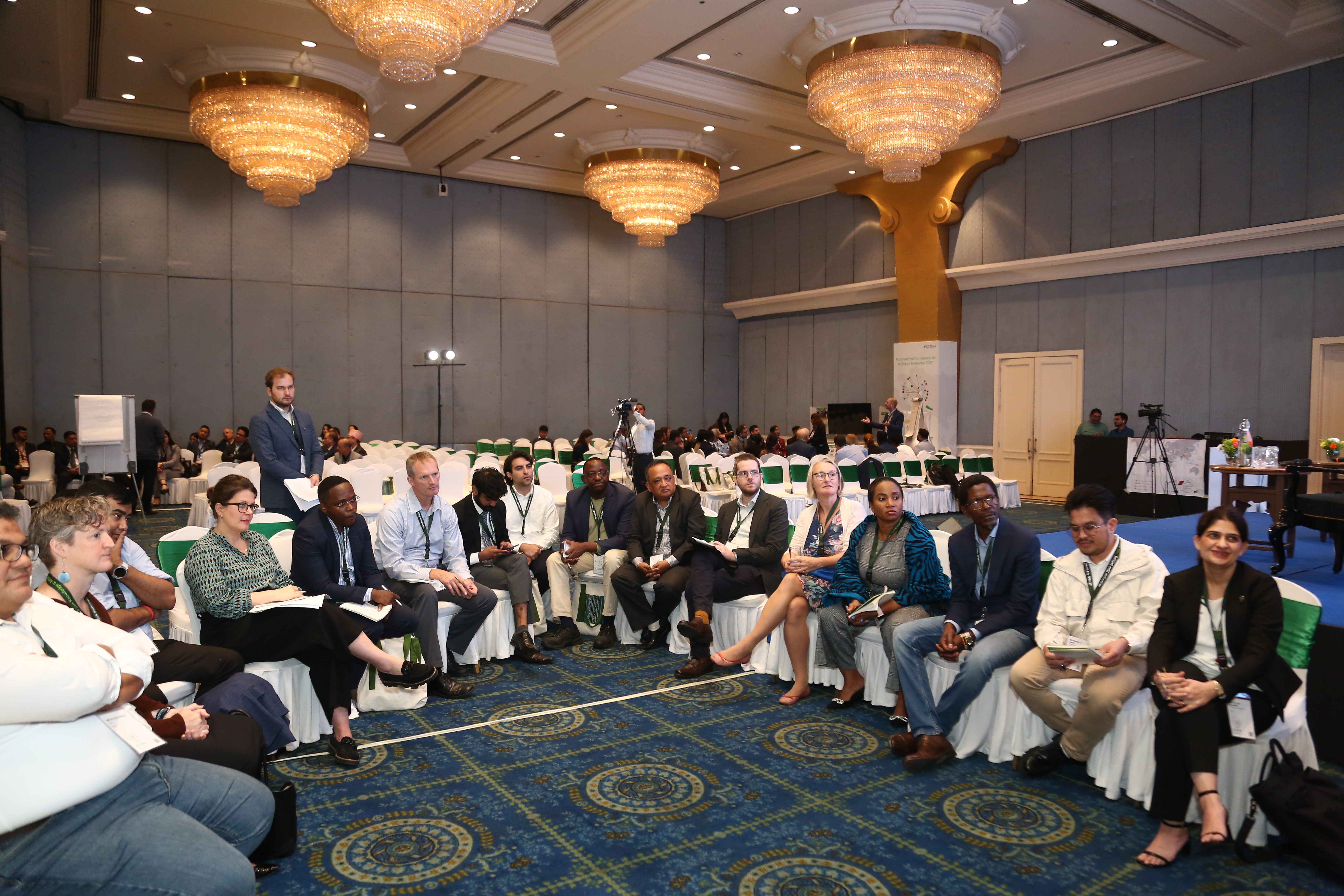
Parallel session 5 - Creating innovation ecosystems through multi-stakeholder practices – examples and outcomes from four A2ii inclusive insurance innovation labs
Hosted by A2ii
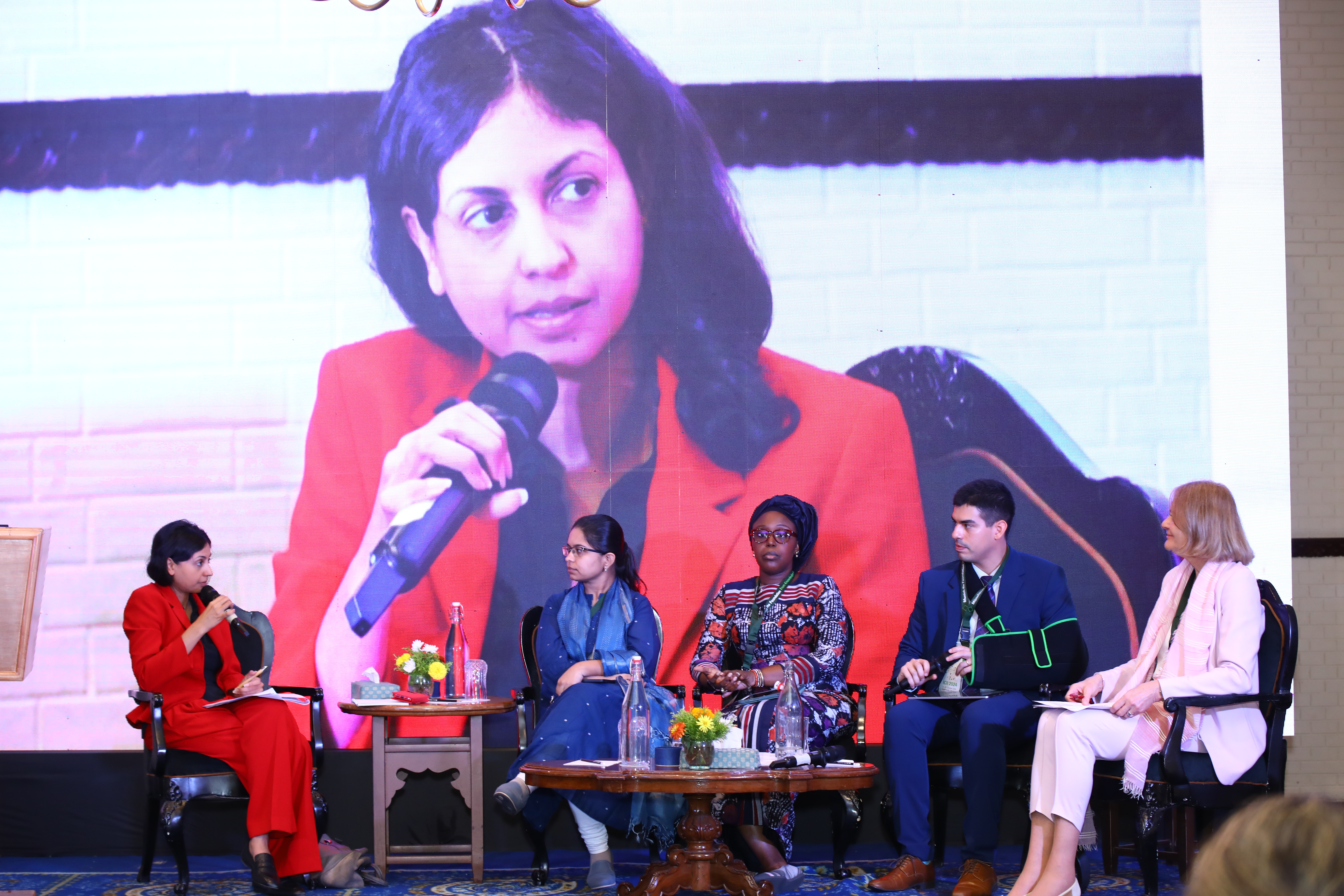
Parallel session 3 - Women, insurance, risk management, and the path to financial empowerment
Hosted by CGAP and Global Shield
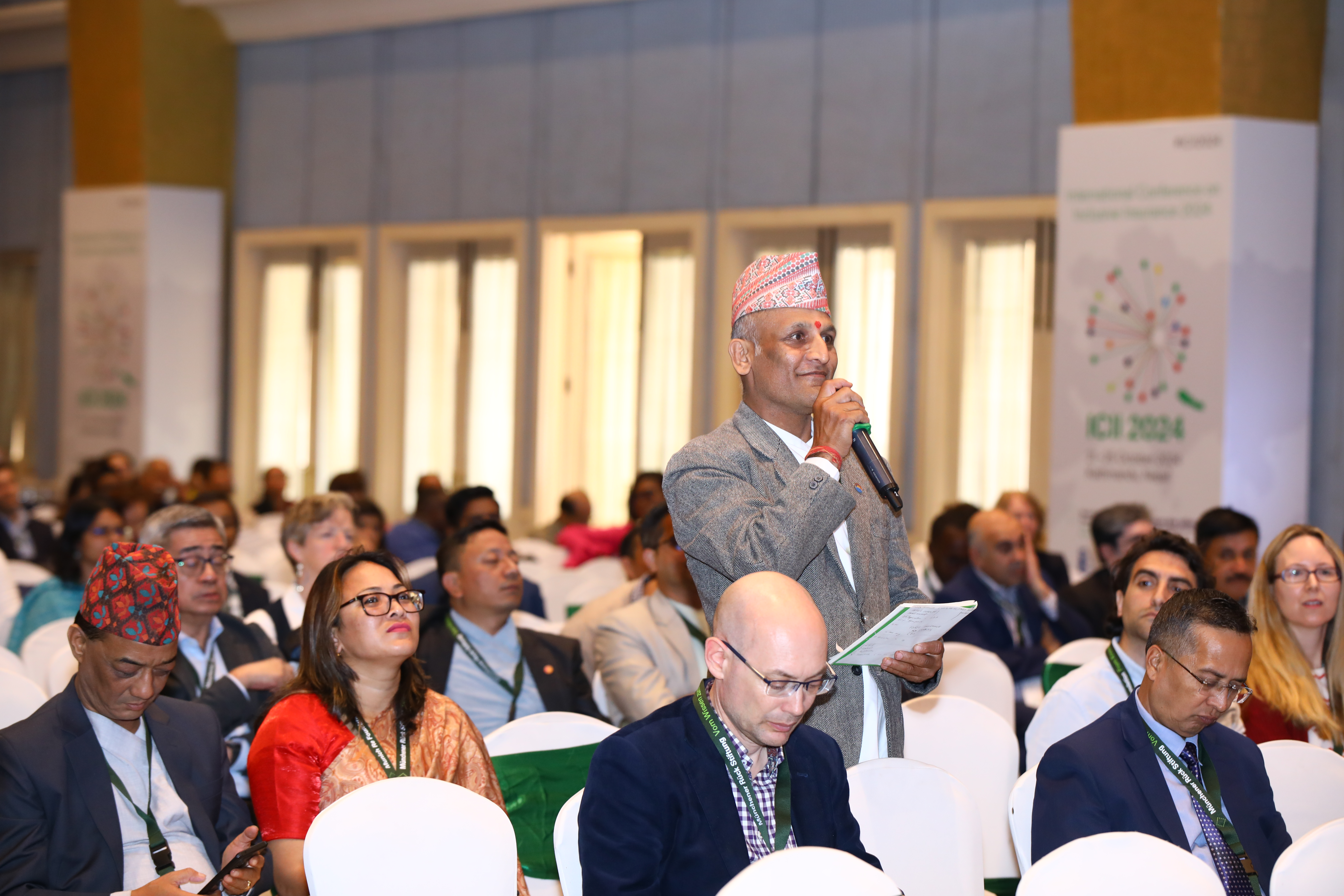
Q&A during plenary 3 - Covering Nanay: The microinsurance journey of Card Pioneer Microinsurance Inc. (CPMI) in the Philippines
Hosted by the Microinsurance Network
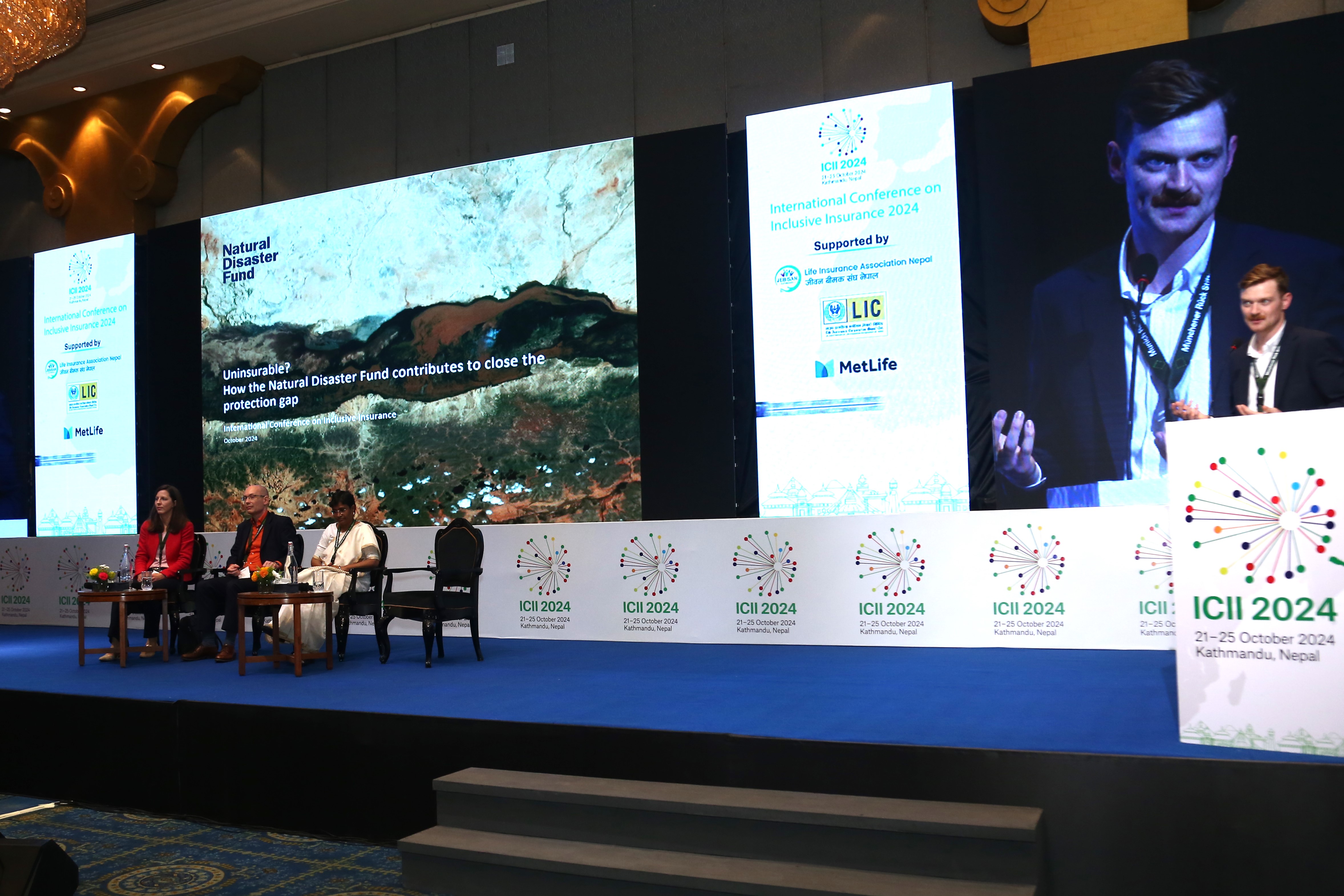
Parallel session 10 - Uninsurable? How the Natural Disaster Fund contributes to close the protection gap
Hosted by Celsius Pro

Parallel session 12 - New approaches to working with farmer organizations for affordability, sustainability and scale for climate risk insurance
Hosted by Feed the Future Innovation Lab for Markets, Risk & Resilience

Parallel session 9 - Leveraging parametric insurance as an innovative financing mechanism for Anticipatory Action (AA)
Hosted by MCII
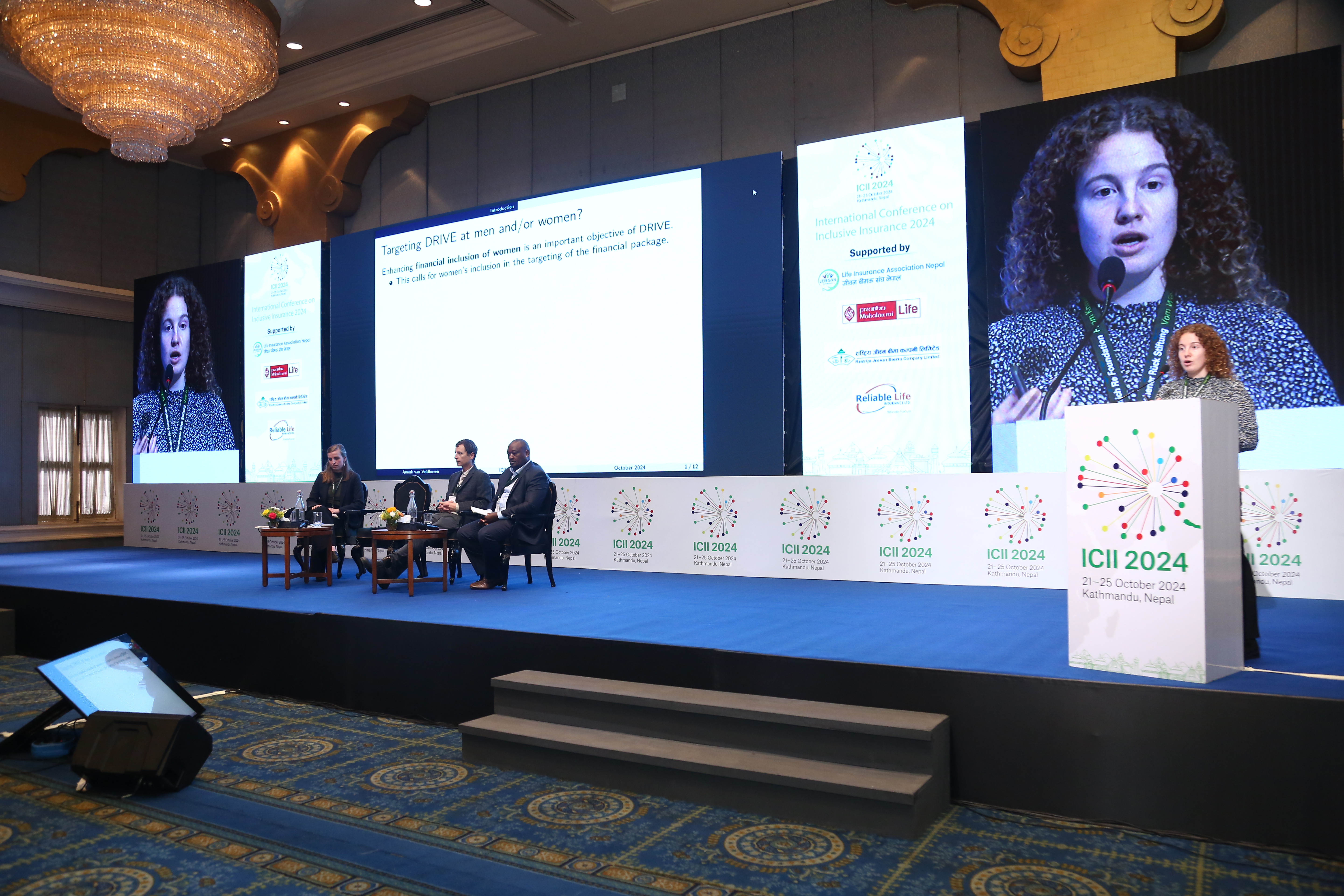
Parallel session 4 - Lessons from index-based livestock insurance (IBLI) and de-risking, inclusion and value enhancement of pastoral economies in the horn of Africa (DRIVE)
Hosted by CEAR and Utrecht University
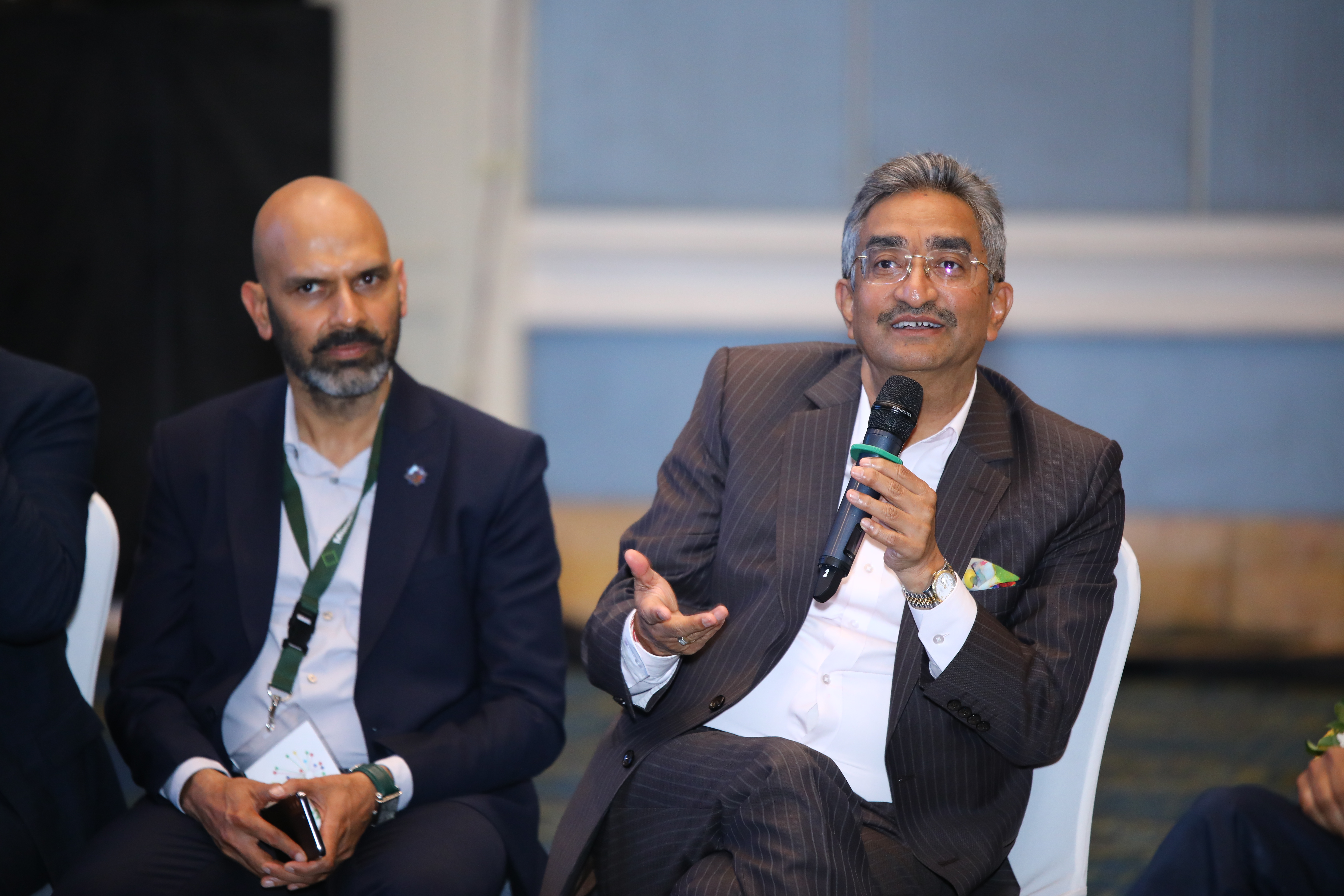
Dip Prakash Panday CEO, Shikhar Insurance, Chair of the Nepal Organizing Committee (right)
During the next steps session disussing learnings from the ICII 2024 for Nepal
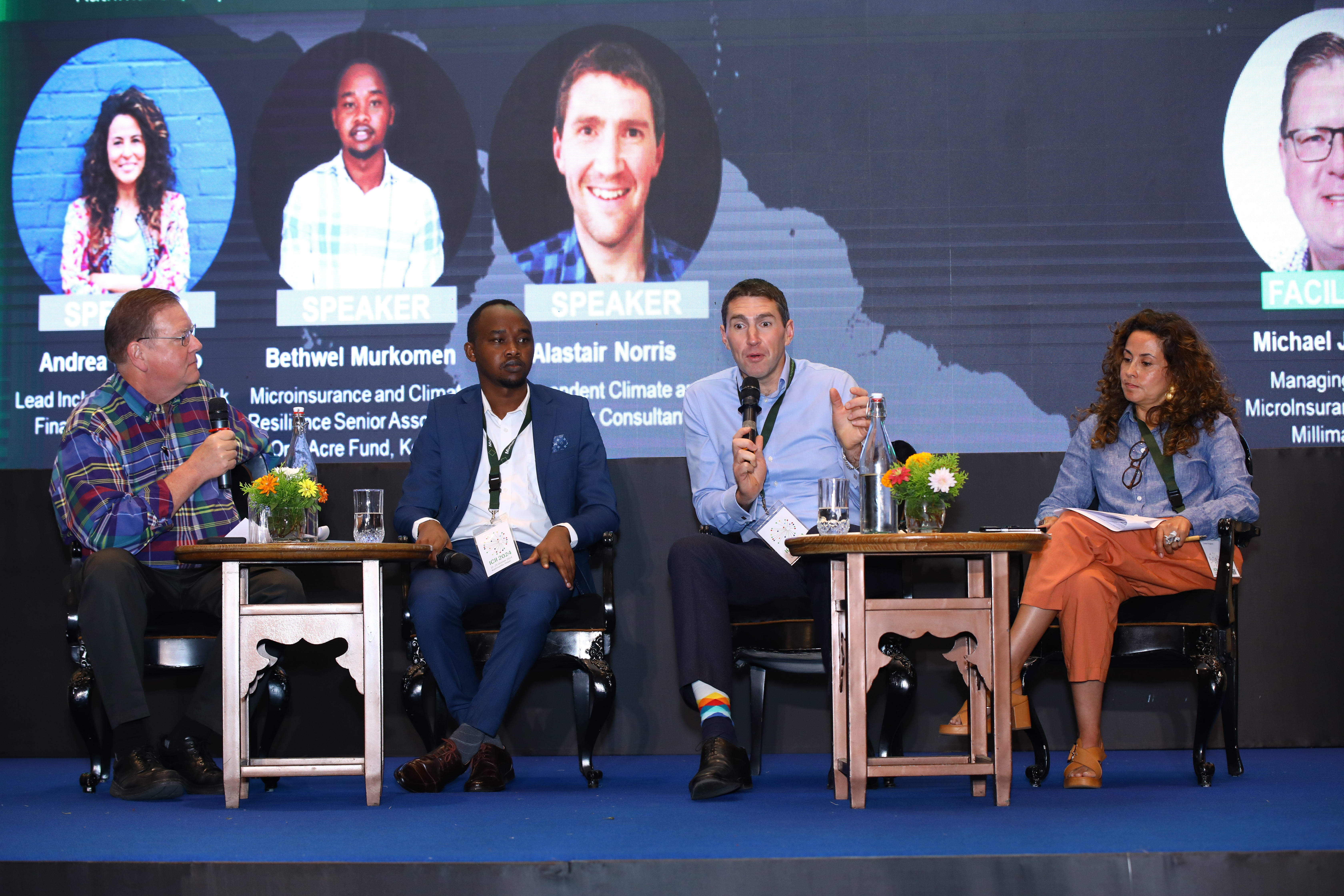
Parallel session 2 - Dealing with basis risk: Minimizing the pitfalls of parametric insurance
Hosted by MicroInsurance Centre at Milliman
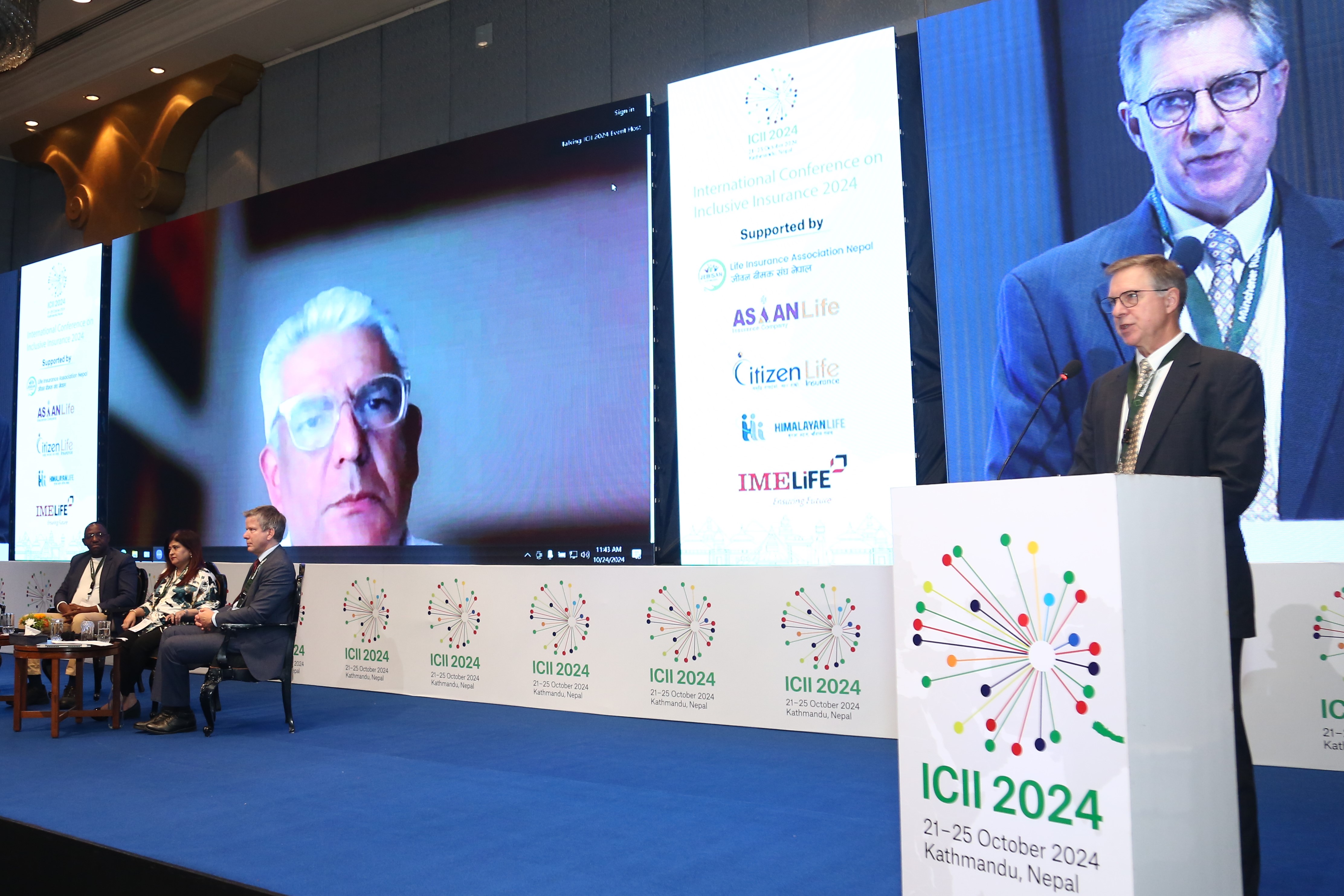
20th International Conference on Inclusive Insurance: Looking back at key trends, successes and failures in selected countries
The journey of inclusive insurance in Bangladesh, Peru and Zambia
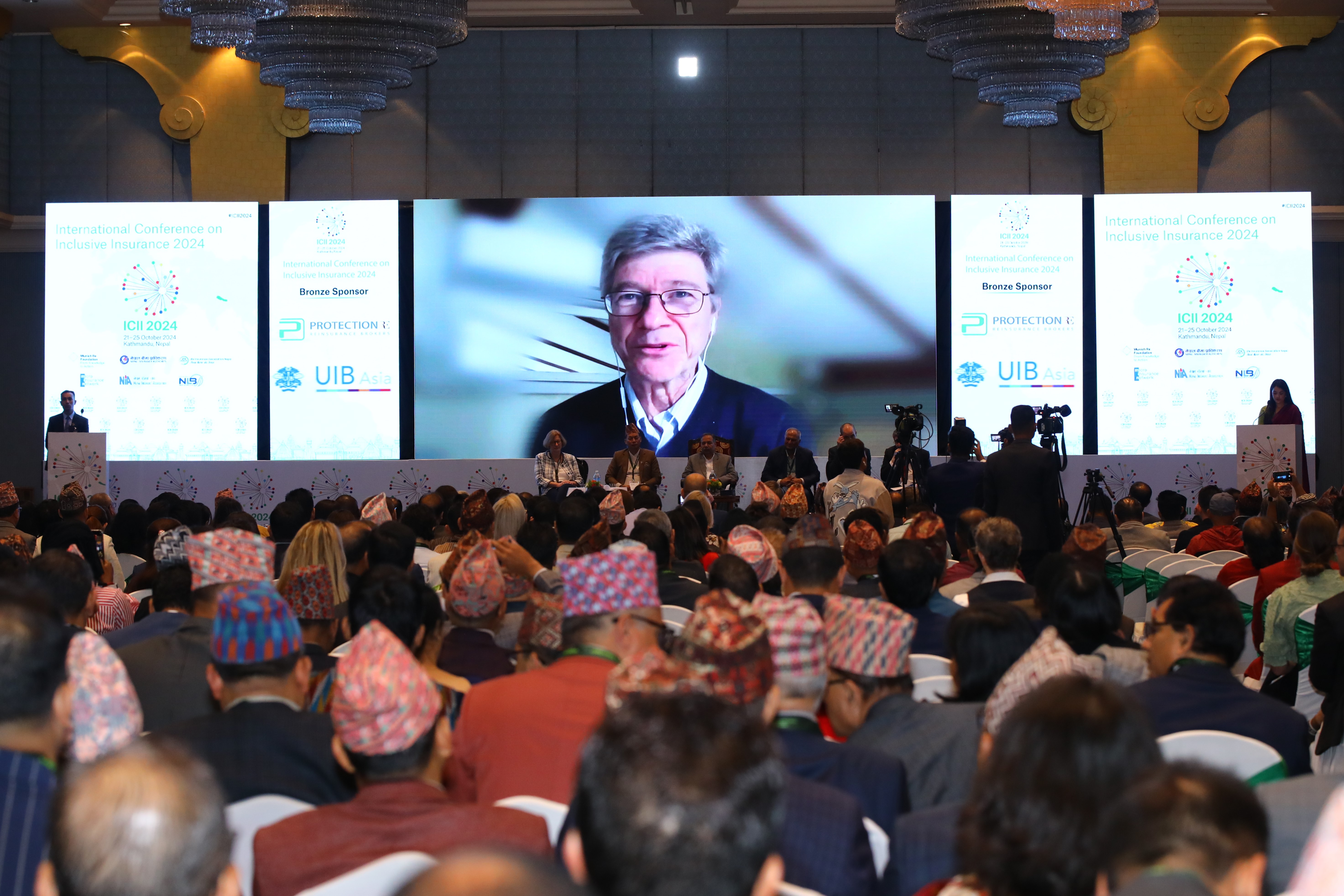
Video message by Jeffrey D. Sachs Director of the Center for Sustainable Development at Columbia University / President of the UN Sustainable Development Solutions Network / SDG Advocate for UN Secretary General António Guterres, USA
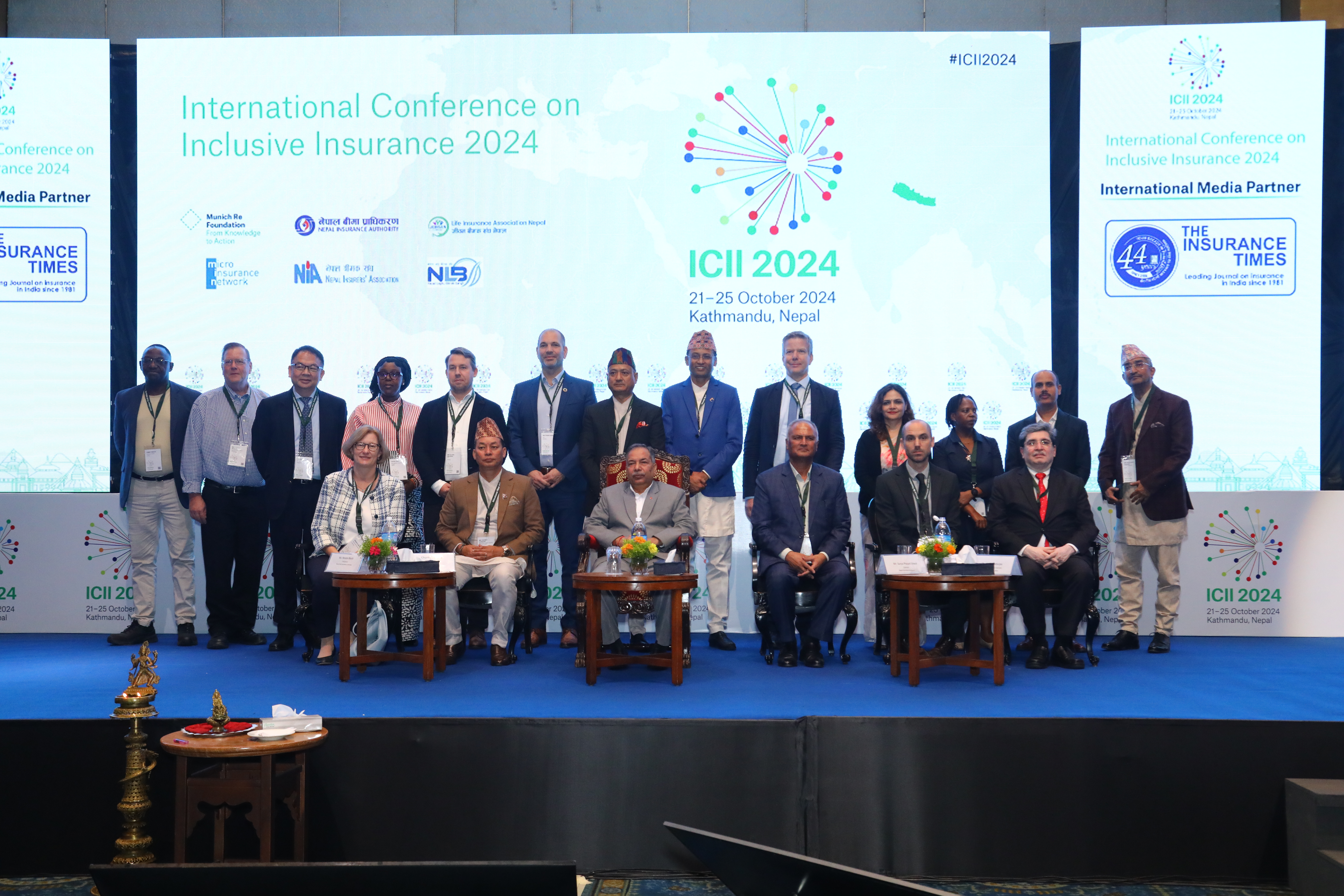
Speakers of the Opening and members of the Nepal Organizing Committee and the Steering Committee of the ICII 2024
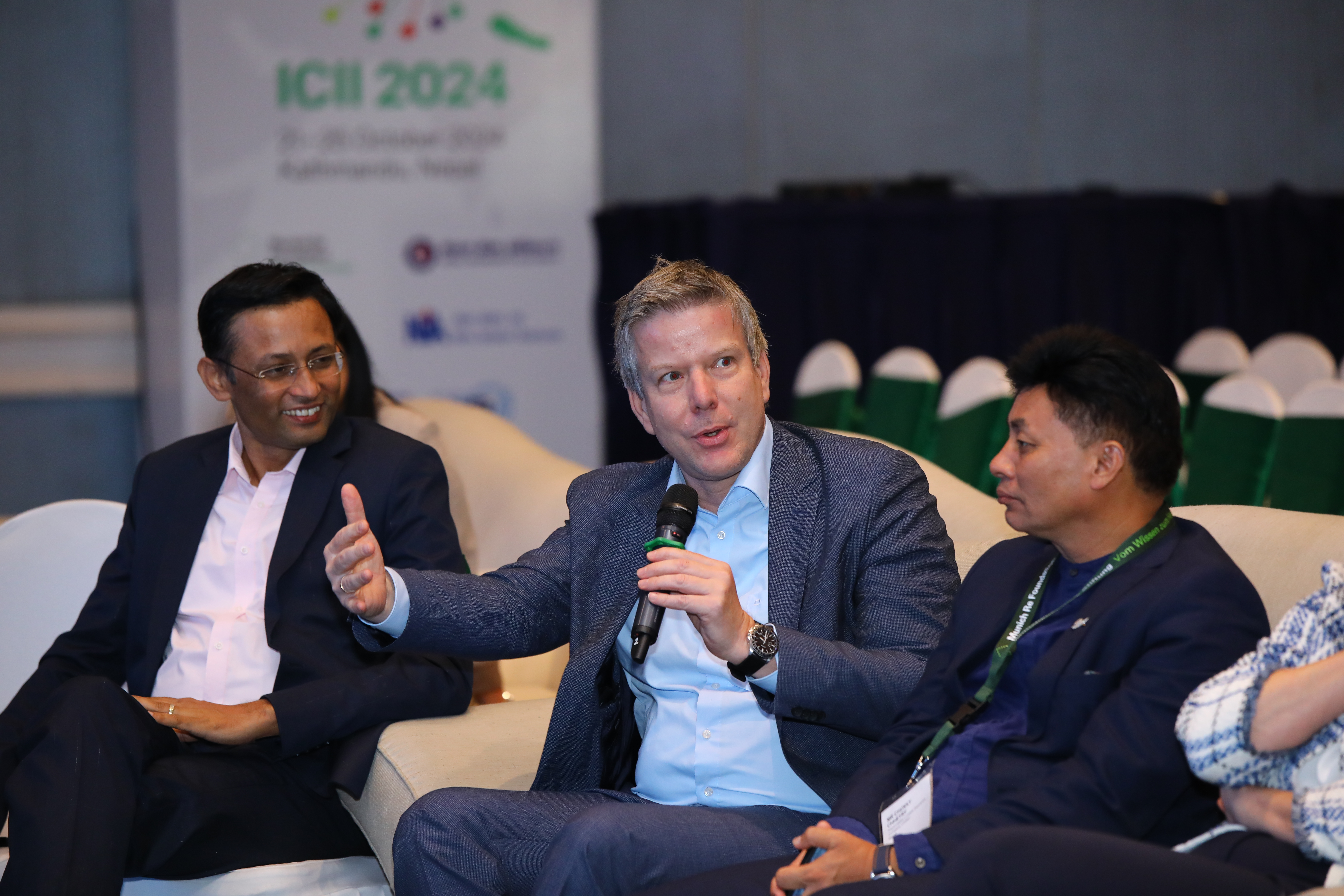
During the session on next steps, stakeholders discussed the learnings from ICII 2024 for Nepal.
Left to right: Poshak Raj Paudel, CEO, Citizen Life Insurance / President of the Life Insurance Association, Nepal; Dirk Reinhard, Vice Chair, Munich Re Foundation / Chair of the Conference Steering Committee; Chunky Chhetry, CEO, Sagarmatha Lumbini Insurance / President of the Nepal Insurers' Association
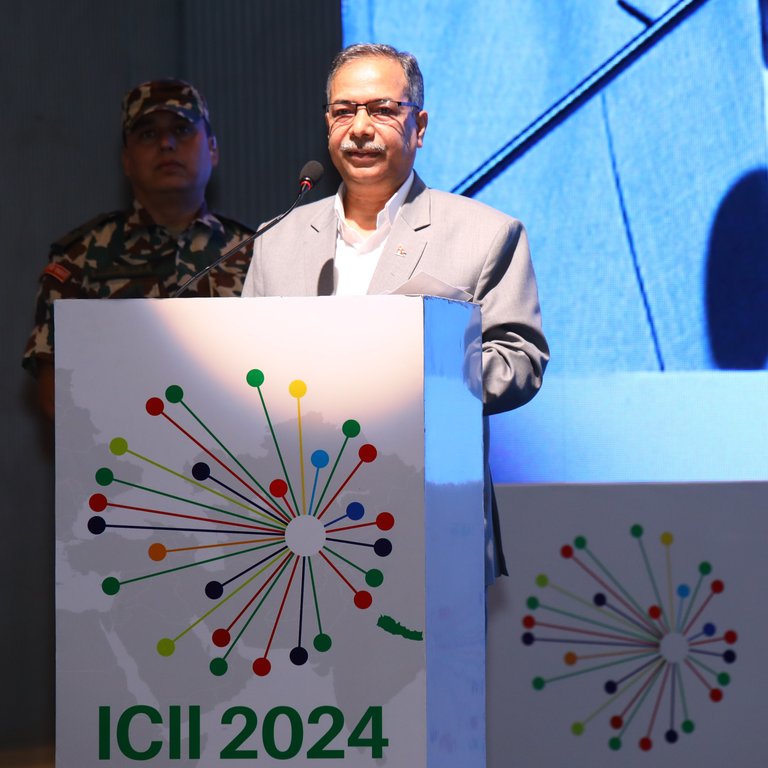
Insurance can strengthen a country’s economy. The poor and the deprived can achieve economic security. Inclusive insurance allows them to remain safe in any unexpected event. We need to educate people about the importance of insurance. Governments and insurance companies should work together to ensure that every person has access to insurance – in both rural and urban areas.
The Landscape of Inclusive Insurance
One of the most eagerly awaited events at each ICII is the first presentation of the Microinsurance Network's forthcoming Landscape of Microinsurance. This provides invaluable insight into the latest trends and developments in inclusive insurance products and services. The 2024 edition of the Landscape, scheduled for publication in early 2025, represents the most comprehensive survey to date, with 294 insurance providers surveyed in 37 countries across Africa, Asia, Latin America and the Caribbean. The study indicates that 344 million people will be covered by microinsurance products in 2023, representing an increase from 300 million in 2022. Life and accident insurance continue to represent the majority of the market, followed by agriculture. The latter is dominated by large national agricultural insurance schemes, of which India's PMFBY alone covers around 40 million people. However, insurance still only reaches less than 10% of the target market, leaving most of the 2 billion people in Asia without access to affordable risk management.
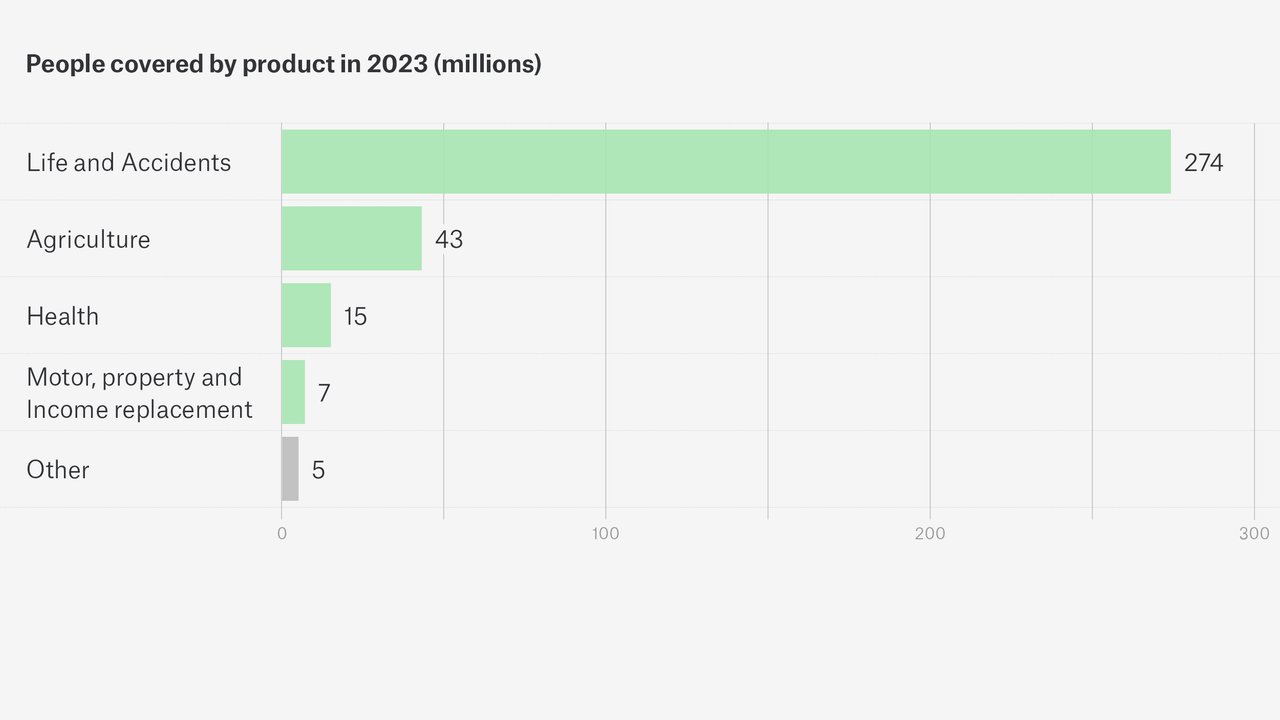
Figure 1: People covered by product in 2023 (millions)
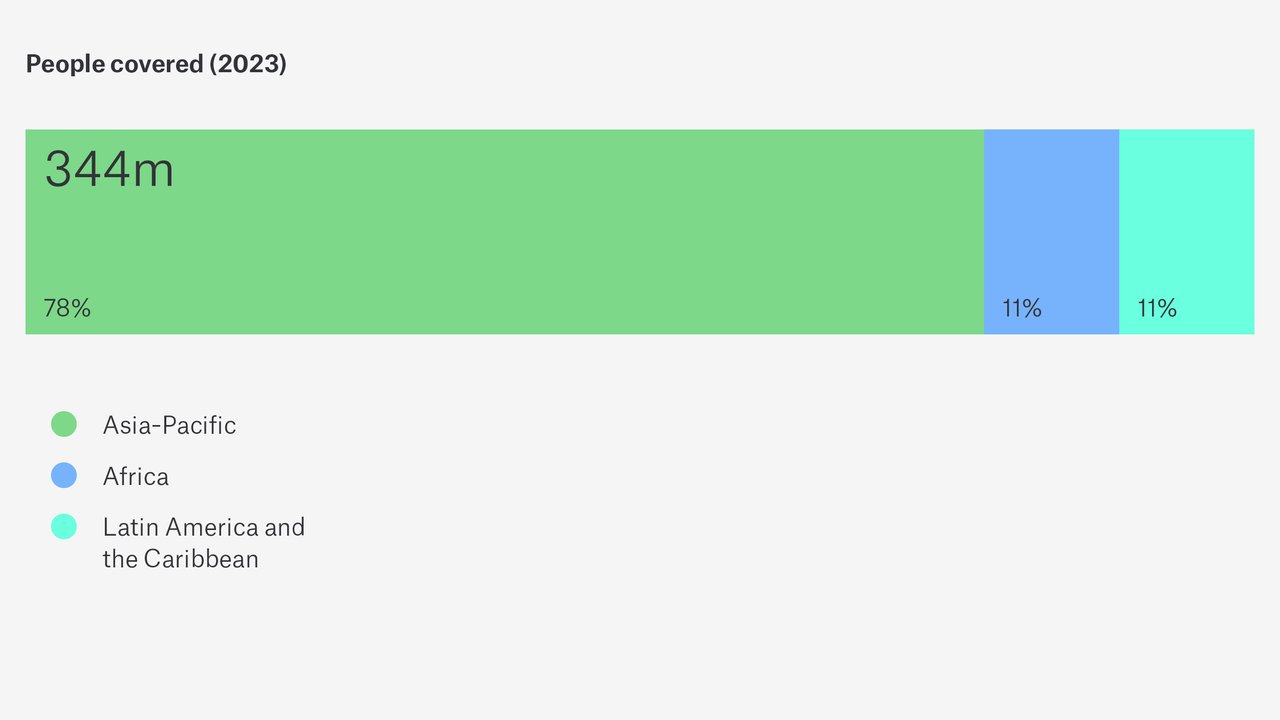
Figure 2: Share of microinsurance policies by region, 2023
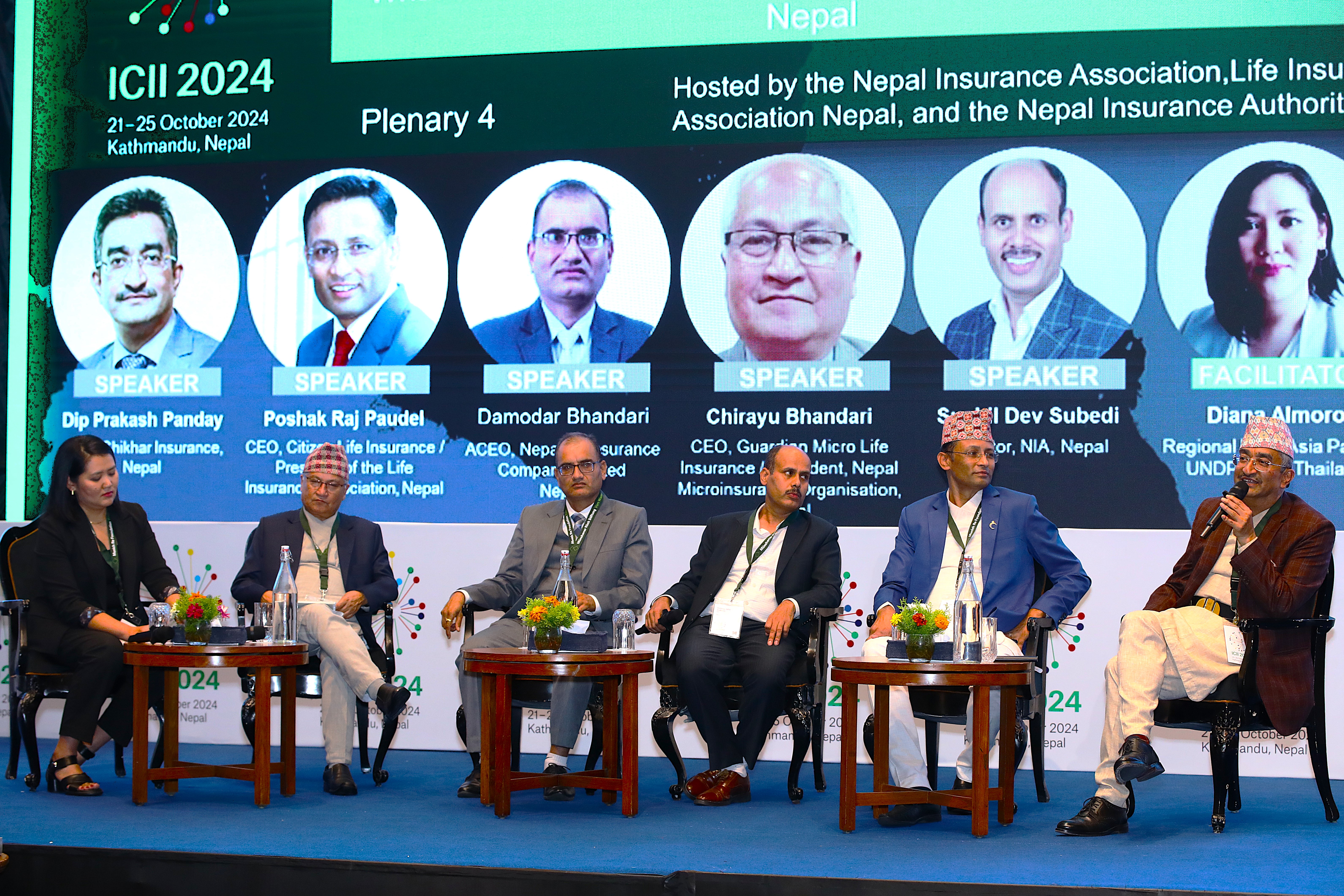
Speakers of the plenary discussing how to promote market development in Nepal. Left to right: Diana Almoro, Regional Lead Asia Pacific, UNDP-IRFF, Thailand; Chirayu Bhandari, CEO, Guardian Micro Life Insurance / President, Nepal Microinsurance Organisationl; Damodar Bhandari, ACEO of Nepal Re; Sushil Dev Subedi, Director, Nepal Insurance Authority (NIA); Poshak Raj Paudel, CEO, Citizen Life Insurance / President of the Life Insurance Association of Nepal; Dip Prakash Panday; CEO, Shikhar Insurance
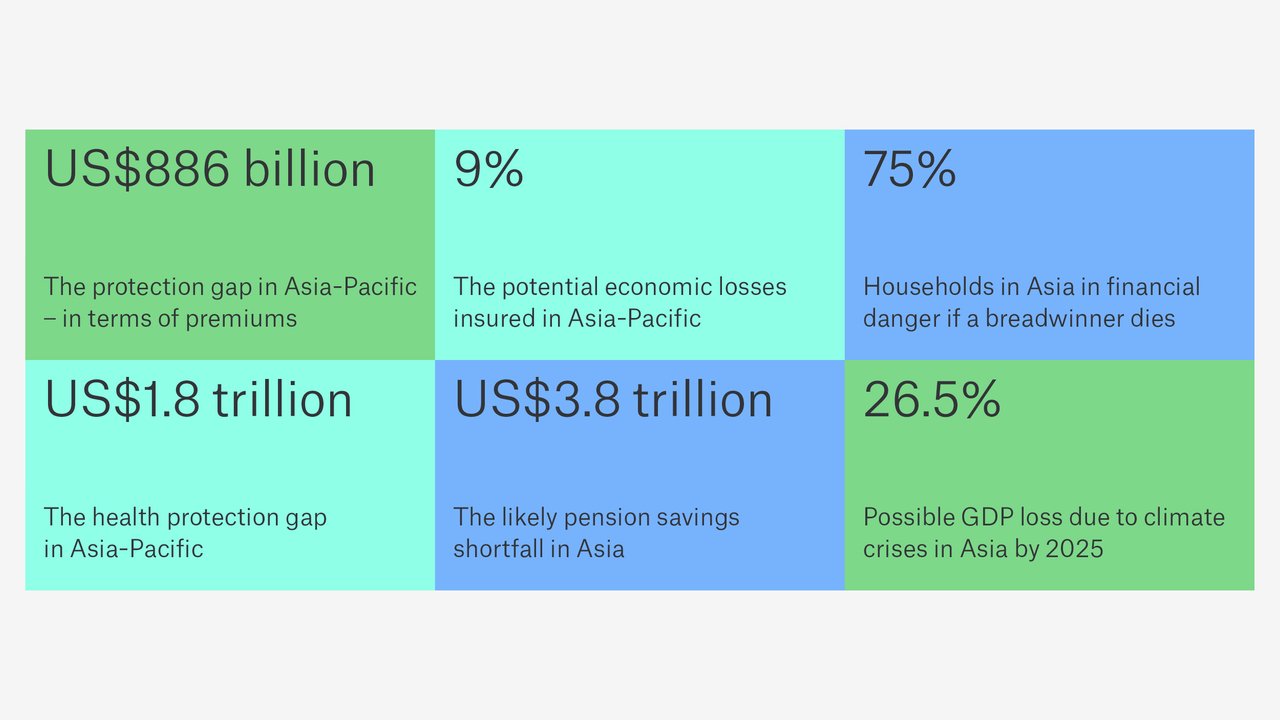
Figure 3: Protection gaps in Asia
Box 1: Challenges to increase insurance outreach
Limited awareness and education
Infrastructure and accessibility concerns
Economic and affordability concerns
Risk management and pricing complexity
Government support and data gaps
Demographic and healthcare concerns
Informal insurance activities and actuarial capacity
Topline and bottom-line strategies
The issue of how insurance providers can best address the insurance gap, particularly in the low-income market, was the subject of much discussion at the ICII 2024. Experts agree that the success of microinsurance companies in reaching low-income populations depends on five key strategies: partnerships, distribution channels, standalone units, skilled teams, and digitalisation. Strategic partnerships, such as those Chartered Life Insurance in Bangladesh has formed with organisations like BRAC and UNDP, allow these companies to leverage established networks and foster trust, enabling more effective outreach.
In terms of distribution, microinsurance providers often utilise B2B2C models, working through intermediaries like microfinance institutions and fintech platforms rather than a direct-to-consumer approach. This approach enables them to expand their operations in a cost-effective manner and reach communities that would otherwise be difficult to access. Furthermore, many insurers establish standalone microinsurance units, or "microinsurance champions," with dedicated leadership focused on tailoring products to the needs of low-income customers. It is also essential to have well-trained teams. At the conference, it was demonstrated that companies have benefited from microinsurance courses, which have equipped staff with the skills needed to enhance customer service and product management. Finally, digitalisation has transformed claim processing, significantly reducing timeframes and enhancing customer satisfaction. For instance, digital tools can now reduce hospital claim times to as little as two hours, which fosters trust and efficiency in microinsurance services.
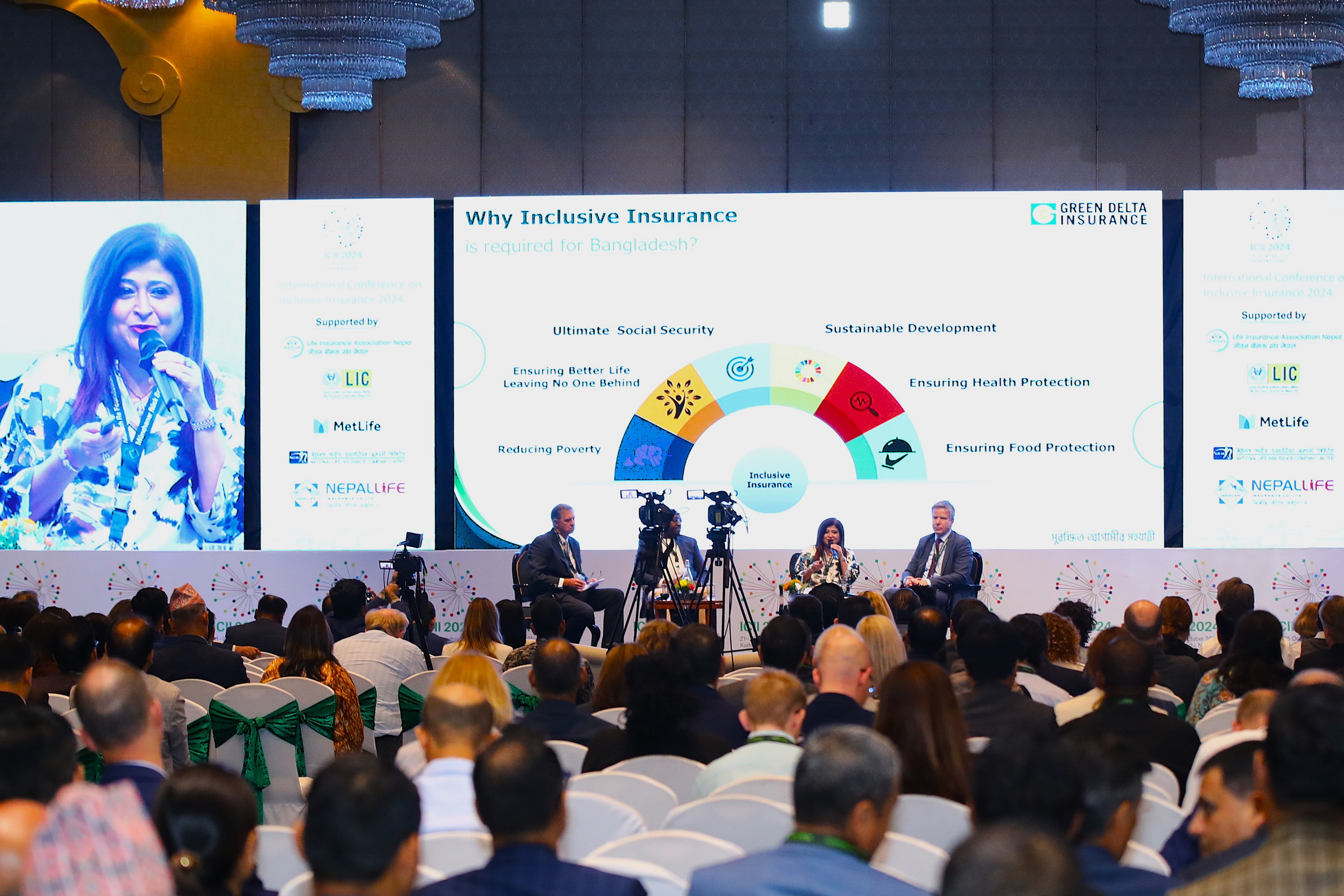
The ICII 2024 marked the 20th International Conference on Inclusive Insurance. Representatives from prior hosting countries – Bangladesh (2019), Peru (2017) and Zambia (2018) – presented their experiences of increasing insurance outreach in their countries and the role that the ICII has played in that respect.
Obstacles to address climate risks
Just a few days before the ICII 2024 started, the Kathmandu region has been impacted by extreme rainfall which caused the loss of hundreds of people and destroyed the livelihoods of thousands. This again shows the importance or affordable risk management including insurance to make the most vulnerable more resilient against climate risks. The government and the insurance industry have intensified their activities to develop more solutions to tackle climate risks (see also report of the field trip).
Parametric insurance has shown great potential in addressing the changing context of climate risk. However, basis risk – the discrepancy between the actual loss experience and the parametric trigger – represents a significant challenge to the success of these products. The root causes of basis risk can be attributed to two primary sources: technology failure and/or data insufficiencies, and inadequate product design. To address this issue, insurance companies may wish to consider combining multiple data sources and developing robust index models that more accurately reflect on-the-ground experiences. Nevertheless, it is important for product designers to exercise caution when introducing complex product components, as these can compromise the transparency and accessibility of the product to the target market.
It is crucial to recognise that insurance alone is an insufficient method for managing climate risk. Integrating insurance with other risk management tools, such as savings accounts or improved agricultural practices, can help to reduce the impact of basis risk. This multifaceted approach can facilitate the more effective distribution of risk and enhance the resilience of affected communities. To address basis risk, there is a need for iterative improvement and industry collaboration. However, it is unlikely that basis risk can be entirely eliminated due to its intricate nature. Insurers may wish to consider adopting an iterative approach, whereby index designs are continually validated throughout the implementation process. This will facilitate the gleaning of valuable lessons.
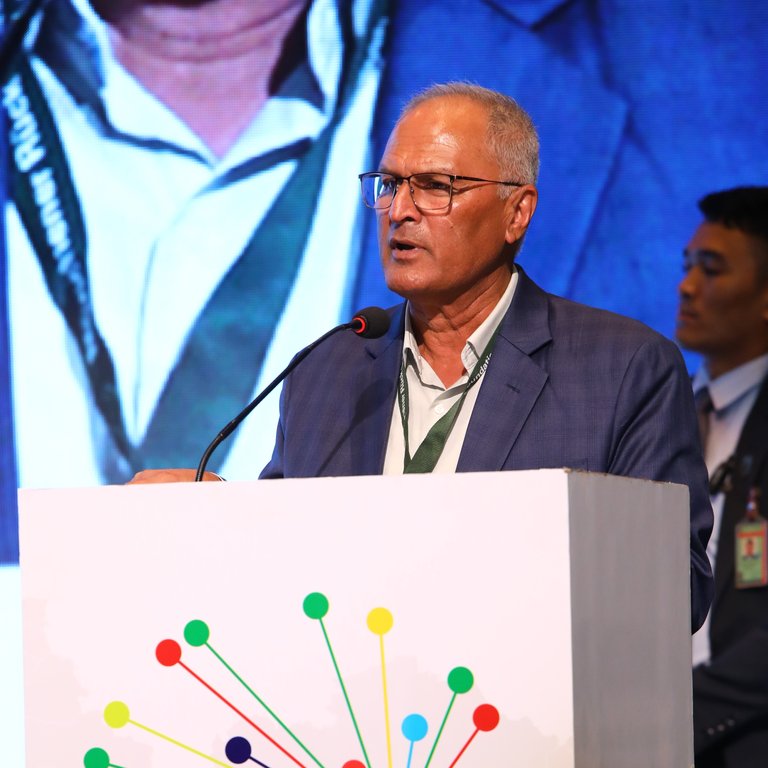
Climate change and social inequalities pose unprecedented challenges, which affect low-income households who lack the tools to deal with disasters. Rainfall in three days left 256 people dead and losses worth over 865 Nepalese rupees. The importance of insurance has become more critical in times of increasing uncertainty: insurance is not just about managing risk, it is about providing hope and certainty to the most vulnerable.
Next steps in Nepal
Following the conclusion of the conference, the Nepal Insurance Authority (NIA) extended an invitation to key stakeholders to participate in a discussion on the key learnings, challenges, opportunities and next steps required to facilitate the development of the Nepal insurance industry. The NIA has introduced micro insurance regulation, specifically designed for low-income groups, which provides them with essential financial protection. Additionally, the establishment of micro insurance companies will allow for the provision of tailored solutions to meet the specific needs of this segment. Moreover, a range of insurance products has been developed for the agricultural sector, addressing the diverse needs of farmers and agricultural businesses. Furthermore, the Authority has enhanced policy coverage by making Personal Accident (PA) cover obligatory for family members in home insurance policies and policyholders in agriculture insurance policies, thus ensuring more comprehensive protection for dependents. The release of the Digital Policy Guideline, 2024, provides a framework for digital insurance policies and encourages industry-wide adoption. Additionally, the 'Ghumti Beema' initiative endorses mobile insurance and other non-traditional insurance channels.
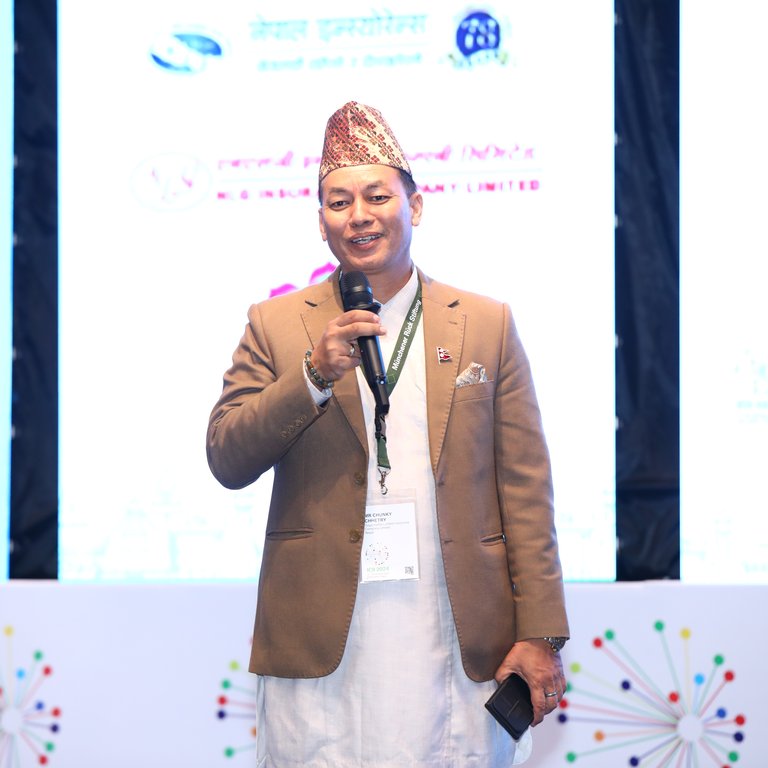
Inclusive insurance is not just a financial product. … It is a tool for empowerment and resilience. It enables the affected groups to recover from the loss and help communities break free from the cycle of poverty, where one disaster could otherwise push them into long-term financial hardship.