China Inclusive Insurance Symposium
1–2 June 2026 | Shanghai, China
From protection gaps to digital ecosystems: Making inclusive insurance in China more accessible and trusted
By Dirk Reinhard*
The 2026 China Inclusive Insurance Symposium, held on 1 June 2026 in Shanghai, focused on the theme “Digitalization for Sustainable and Accessible Inclusive Insurance”. The event was hosted by the China Inclusive Insurance Network (CIIN) and the Munich Re Foundation. Around 100 participants examined how technology can help insurance reach underserved people and enterprises while improving sustainability, risk prevention and trust.
Conference video of the 2nd China Inclusive Insurance Symposium
From CSR mainstreaming to sustainable insurance
The opening remarks of the second China Inclusive Insurance Symposium emphasised the role of inclusive insurance as part of a broader shift in corporate responsibility and sustainable finance. Gefei Yin, Founder and Chief Expert of GoldenBee Think Tank, described how corporate social responsibility has evolved beyond voluntary philanthropy into a mainstream force that shapes trade, investment, consumption and governance. Expectations regarding ESG, green finance, sustainable certification and supply-chain responsibility are becoming increasingly embedded in regulation and market behaviour. In this context, insurance is not only a financial product, but also a mechanism for resilience, inclusion and responsible growth.
Shaojun Su, Secretary of the Board of Directors of China Pacific Insurance, emphasised that digital and intelligent technologies are transforming inclusive insurance from traditional risk compensation towards "precise protection, proactive services, and risk prevention". The integration of big data, artificial intelligence and blockchain is streamlining risk pricing, product design and claims handling processes, enhancing operational efficiency and reducing costs. In the field of health insurance, data analytics can facilitate coverage for individuals with pre-existing conditions; in customised supplementary medical insurance for cities, intelligent claims processing can transition services from a "claims upon application" model to a "proactive claims settlement" approach; and in agriculture, remote monitoring and early warning systems can position insurance more closely towards a prevention-oriented strategy.
Jian Yu, Executive Vice President of the Yicai Research Institute, added that sustainable development has become a "universal global language" for corporate competition and governance. The message was clear: inclusive insurance must be embedded in long-term business strategy, not treated as a side activity. The initiative's credibility will be contingent on insurers demonstrating a balance between social value and operational sustainability.
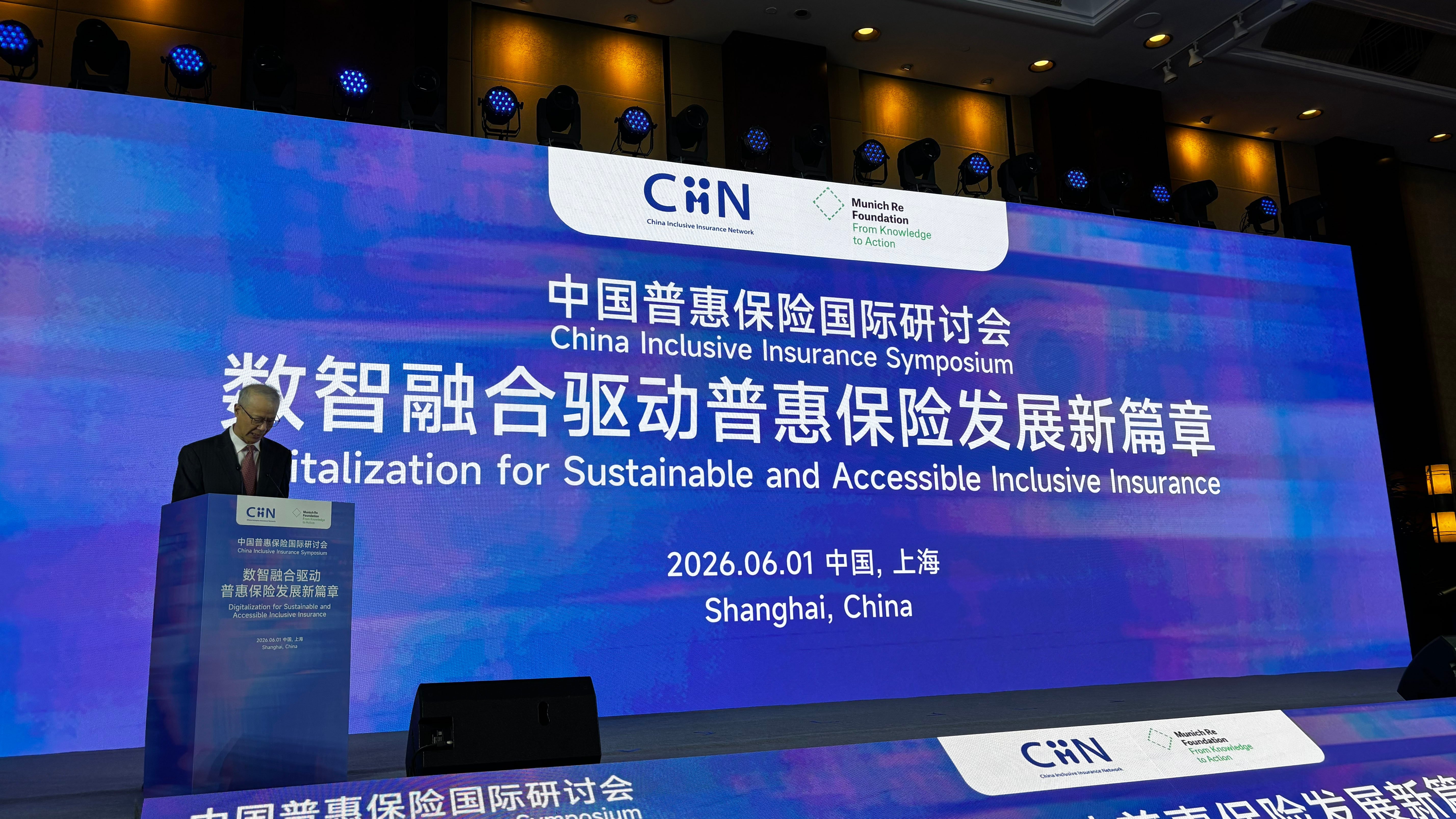
Duoguang Bei, President of CAFI, opens the second China Inclusive Insurance Symposium
Inclusive Insurance at a turning point
Several speakers highlighted that inclusive insurance is entering a new stage. Jinghui Xu, Chairman of the Shanghai Renda Foundation for Financial Inclusion, described a transition from scale expansion to a combined improvement of "quality and volume". He emphasised four major shifts: from localised gap-filling solutions to broader universal coverage; from standardised products to tailored solutions; from offline services to digitally integrated platforms; and from unilateral promotion to multi-party collaboration. These shifts are pivotal in establishing a comprehensive system that ensures equitable access, reasonable premiums, and effective protection. Dirk Reinhard, Vice Chair of the Munich Re Foundation, provided a global perspective on the Chinese discussion. He emphasised the magnitude of the protection gap: It is estimated that 90% of people in low-income countries lack insurance, while billions face inadequate access to healthcare and the risk of falling into poverty because of medical costs. He argued that insurance can support poverty reduction, health protection, climate-risk mitigation and economic development, but only if it becomes accessible, affordable and trusted.
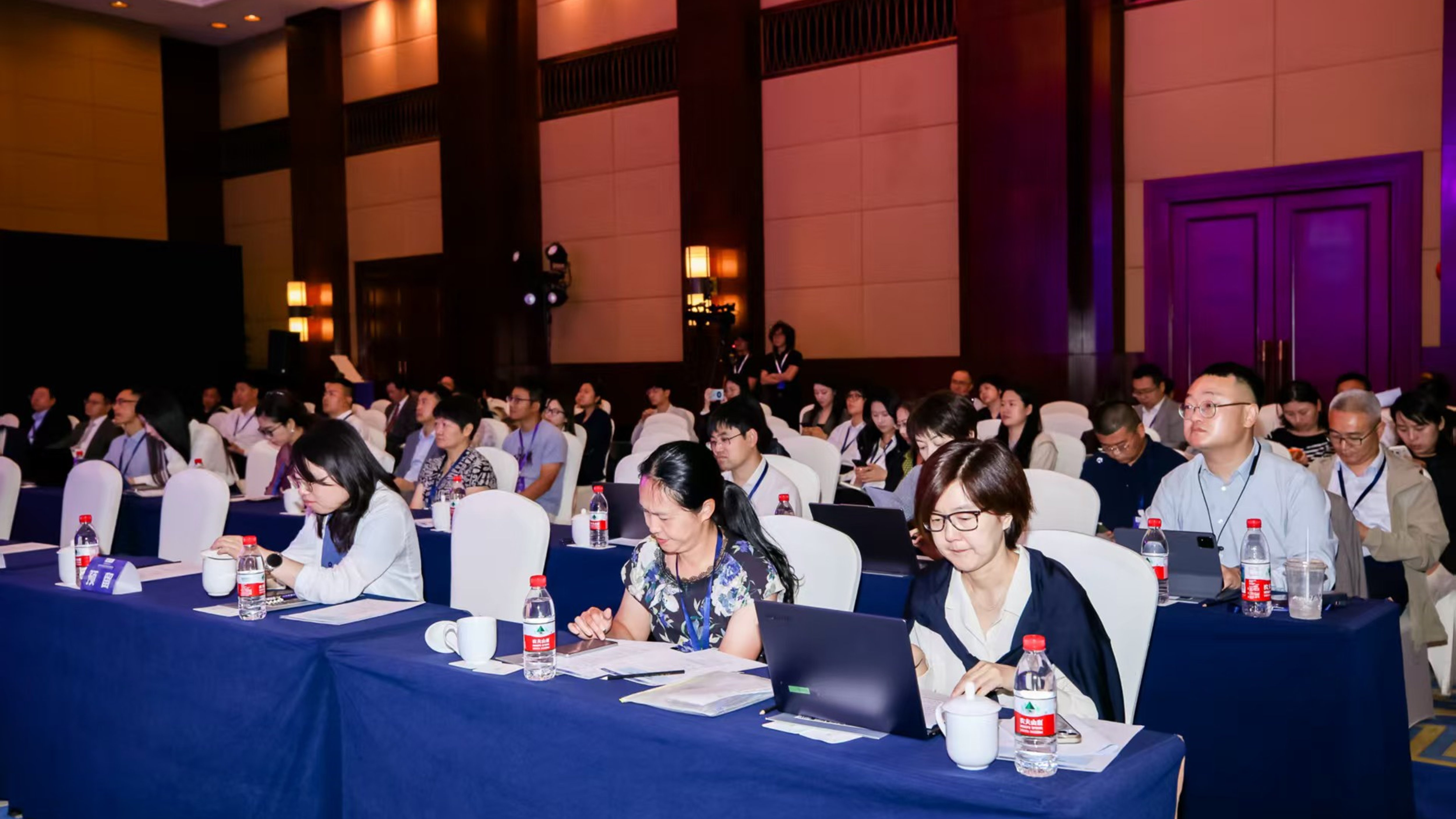
Around 100 insurance experts attended the symposium.
Technology across health, agriculture, care and SMEs
Discussions around bridging the "last mile" demonstrated the increasing integration of inclusive insurance into everyday services. China Pacific Insurance (CPIC) presented digital tools for agricultural insurance and Huiminbao (a supplementary low-cost health insurance plan) claims, illustrating how insurers can transition from assuming risk to functioning as comprehensive risk managers. Richard Leftley, founder of of WAVU emphasised the potential of parametric insurance, mobile payments, artificial intelligence, big data and satellite remote sensing as effective means of reaching farmers, MSMEs and gig workers. China Post Life Insurance emphasised the significance of integrating digital underwriting and claims processes with offline grassroots networks, particularly in rural and remote regions.
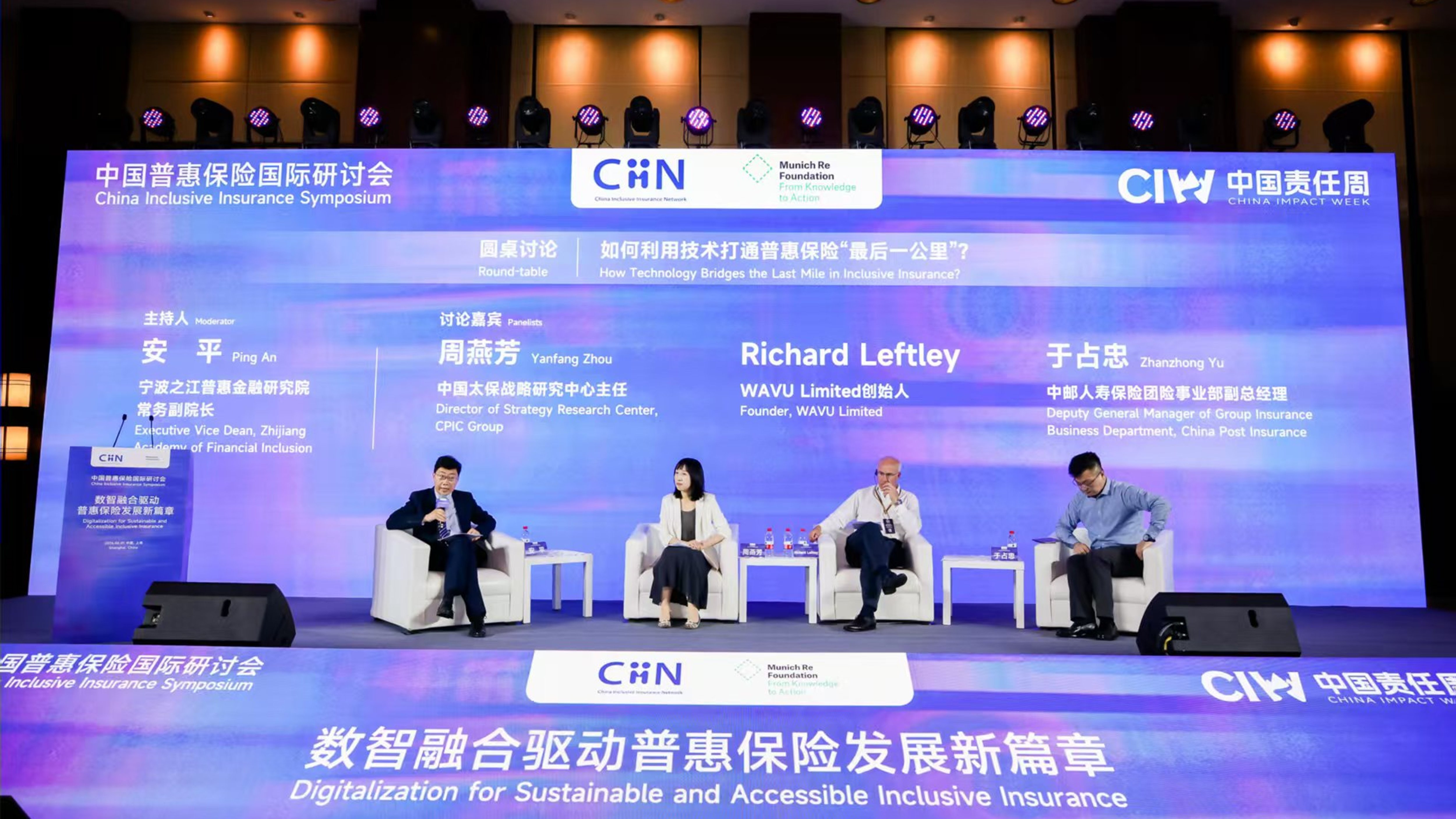
Left to right: Ping An, Executive Vice Dean, Zhijiang Academy of Financial Inclusion; Yanfang Zhou, Director of Strategy Research Center, CPIC Group; Richard Leftley, Founder of WAVU Limited; Zhanzhong Yu, Deputy General Manager of Group Insurance Business Department, China Post Insurance
In the field of health insurance, the speakers centred their discussions on long-term care insurance, chronic disease management and demand-driven product design. CPIC reported extensive experience in long-term care pilots and emphasised the role of AI-standardised assessments and data-based fund calculation. Experts have proposed the concept of "service increment driving risk reduction", asserting that AI-enabled health management can deliver continuous support at a lower marginal cost. It was noted by other insurers that the use of bank channels and user data can be a useful way of identifying the needs of rural residents, new urban residents and flexible workers. However, experts have warned that overly broad municipal health products can face adverse selection and have urged simpler product design, differentiated pricing and incentives for claim-free renewal.
Agricultural insurance demonstrated the strongest link between digital infrastructure and field-level realities. Guoyuan Agriculture Insurance, for instance, demonstrated how long-term operations in Anhui have facilitated the development of parcel-level databases, sub-meter remote sensing technology, the utilisation of 700 drones, and even the implementation of pig face recognition for underwriting purposes. Speakers emphasised that the evaluation of high-quality agricultural insurance should not be based on premium scale, but rather on its ability to meet the needs of farmers. They suggested a shift from access to effectiveness and from compensation to risk reduction. Tensoren Technology demonstrated how grid-based weather data and index insurance can stabilise loss ratios and facilitate more efficient claims processing, while also providing early warning systems to support farmers.
The panels on pension and SME insurance provided valuable insights. Long-term care insurance is expected to become a "sixth pillar" of the social security system. However, speakers noted shortages of nursing personnel, weak service coordination, data barriers and supervision challenges. The responses included smart nursing, time-bank models, stronger vocational training and better integration of Huiminbao with care services. For SMEs, several examples demonstrated the potential of technology to support tiered employee-benefit packages, export credit intelligence, automated underwriting and highly modular group insurance. The underlying message was that SMEs require not only financial compensation, but also practical risk-management services, health support and credible channels.
Outlook: Technology based high-quality inclusive insurance
The discussions showed that inclusive insurance in China is moving from broad expansion towards higher quality, greater precision and closer integration with public policy, digital platforms and social protection systems. It is increasingly seen as a key instrument for sustainable development, social protection and economic resilience.
Digitalisation helps insurers assess risks more precisely, serve customers faster, lower costs and reach previously underserved groups. Yet technology alone is not enough: inclusive insurance must remain simple, trusted and needs-based, combining digital efficiency with local presence, sound data governance, public-private cooperation and long-term investment in people and institutions. The sector is shifting from scale-driven growth to a stronger focus on both quality and reach, aiming for broader coverage, fair access, reasonable premiums and effective protection.
Key shifts include moving from local gap-filling to universal coverage, from standardised products to tailored solutions, from offline services to digital platforms, and from unilateral promotion to multi-party collaboration. Remaining priorities include stronger policy support, better data sharing, improved grassroots services and greater insurance awareness.
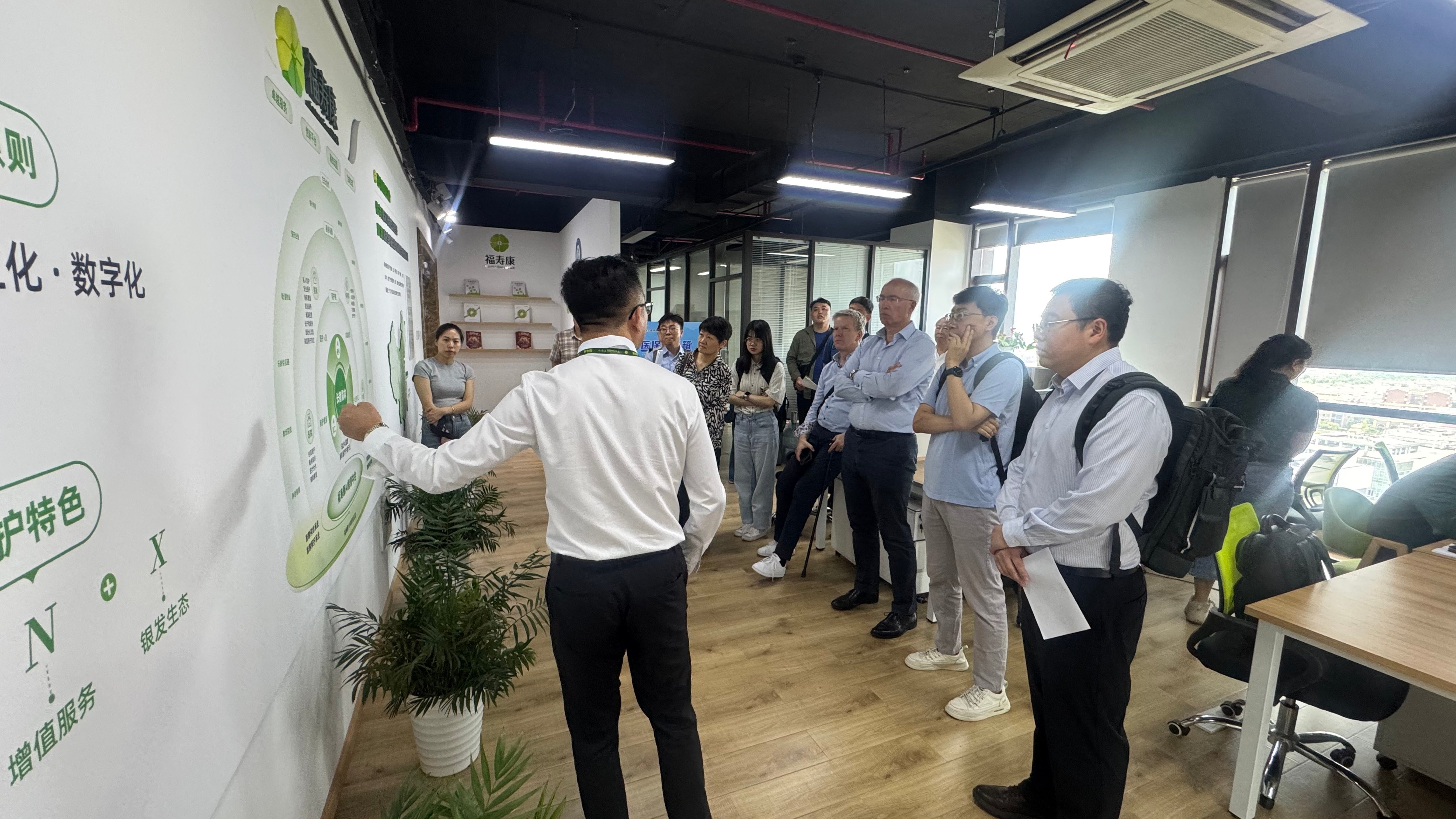
A group of approximately 25 participants on a field trip to the Ningbo Insurance Innovation Park, which is home to around 150 insurtech start-ups, met with three companies specialising in insurance-related services in the areas of healthcare, telematics and satellite data.
Conference website
Agenda
Day 1 - 1 June 2026
9:00 - 9:40 / Opening remarks
Host:
Duoguang Bei
President of CAFI
Opening ceremony speakers:
Gefei Yin
Founder and Chief Expert of GoldenBee
Shaojun Su
Board Secretary of CPIC Group
Jian Yu
Director of Yicai Research Institute
09:40 - 09:50 / Special remark
Speaker:
Tao Liang
Former Vice Chairman of China Banking and Insurance Regulatory Commission (CBIRC)
9:50 - 10:20 / Keynote speech
Share latest figures about China’s data on the development of inclusive insurance, regional and global perspectives on how digital innovation enhances the accessibility, efficiency, and sustainability of inclusive insurance.
Keynote speakers:
Jinghui Xu
Chairman of Renda Foundation for Financial Inclusion
Dirk Reinhard
Vice Chair, Munich Re Foundation
10:50 - 12:15 / Round-table: How technology bridges the last mile in inclusive insurance?
Digital tools have become a key driver in expanding inclusive insurance access to rural and low-income groups, addressing challenges such as geographic isolation, high service costs, and low digital literacy.
Moderator:
Ping An
Executive Vice Dean, Zhijiang Academy of Financial
Panelists:
Yanfang Zhou
Director of Strategy Research Center, CPIC Group
Richard Leftley
Founder of WAVU Limited
Zhanzhong Yu
Deputy General Manager of Group Insurance Business Department, Chine Post Insurance
14:00 - 15:30 / Panel discussion 1: Technology and health insurance
Explore the integration of technology and health insurance to improve service quality and accessibility.
Moderator:
Zhenling Wang
Senior Advisor, CAFI
Cases sharing speaker:
Jun Dong
Deputy GM Inclusive Insurance Dept. CPIC Life
Panelists:
Yong Chen
Deputy General Manager of Product Department, ICBC-AXA Life
Daoyong Lou
CEO of Yandao Data Technology
14:00 - 15:30 / Panel discussion 2: Technology and agro insurance
Discuss how technology empowers agricultural insurance to address climate risks and support smallholder farmers.
Moderator:
Xiangnan Wang
Deputy Director, Research Center for Insurance & Economic Development, Chinese Academy of Social Sciences
Cases sharing speaker:
Guangrui Zhai
GM of Agriculture Insurnace Department, GuoYuan Agriculture Insurance
Panelists:
Xuehao Hu
Counsellor of the State Council
Jun Li
Head, Gansu Branch of Jintai Insurance
Yuanyong Long
CEO of Tensoren Technology
16:00 - 17:30 / Panel discussion 3: Technology and pension insurance
Discuss how to accelerate the promotion and implementation of long-term care insurance, improve supporting services, and explore areas where technology can facilitate.
Moderator:
Qi Li
Deputy Secretary-General, Insurance Service Ecosystem
Cases sharing speaker:
Xudong Zeng
Head of Department of Insurance, Shanghai University of Finance and Economics; Head of Reinsurance Innovation Research Center, Dishui Lake Advanced Finance Institute, SUFE
Panelists:
Jie Wang
Manager of Ningbo Inclusive Insurance Public Service Center
Yi Bian
Deputy General Manager of Health Insurance BD, Sunshine Life Insurance
Jiefan Hu
CEO of Buurtzorg China
16:00 - 17:30 / Panel discussion 4: Technology and SMEs insurance
Explore the development characteristics of inclusive insurance for small and medium-sized enterprises (SMEs), and how products, models, and technology can assist in enhancing SMEs' risk resilience.
Moderator:
Liming Hou
Associate Researcher, CAFI
Cases sharing speaker:
Cherry Wang
General Manager of Group Insurance & Inclusive Insurance Department, AXA-Tianping P&C
Panelists:
Xuesong Zhu
GM of Health Insurance Division, BOB-CARDIF Life
Sean Huang
Senior Product Manager of Digital & Inclusive Finance Dept, SINOSURE
Shuo Li
Co-Founder & COO of InsGeek
Day 2 - 2 June 2026
7:30 - 18:00 / Field visit to Ningbo National Demonstration Zone on Innovation in Insurance
Agenda
7:30 - 10:30 / Meet at the hotel lobby and head to Ningbo
10:30 - 12:00 / Visit the Ningbo Insurance Innovation Park
Understand Ningbo’s progress as the first national insurance innovation pilot zone, including insights into its regulatory sandbox mechanisms, InsuTech incubation ecosystem, and localized inclusive insurance initiatives
12:00 - 14:00 / Lunch at cafeteria of Ningbo Insurance Innovation Park
14:00 - 15:00 / Visit Ningbo Inclusive Insurance Museum
Understand the history of insurance—from its nascent beginnings in ancient China and its global development, to the magnificent growth of the insurance sector in the modern China.
15:00 - 18:00 / Return to Shanghai