Resilient Agriculture Innovations for Nature (RAIN) Challenge
Nurturing innovative agricultural ideas in East Africa for climate resilience
In the face of a continuously growing population, the world’s food production systems face an enormous challenge in providing food security. Also, climate change will increasingly cause adverse impacts on agricultural production and contribute to food insecurity in the future. At the same time, agriculture is the world’s biggest driver of biodiversity loss and contributes roughly 30% of global CO2 emissions. There is a need for sustainable agricultural practices to improve productivity, increase resilience to climate change, reduce greenhouse gas emissions and enhance biodiversity.
The agricultural sector is ripe with innovation and transformation potential despite rapidly becoming more susceptible to the harsh impacts of climate change. There is an urgent need to transform agricultural systems, especially for communities that heavily rely on agriculture for their livelihoods. Supporting locally led initiatives to achieve innovative agricultural transformation is key to advancing resilience and adaptation.
Together with the Global Resilience Partnership (GRP), we launched the Resilient Agriculture Innovations for Nature (RAIN) Challenge for non-profit organisations in 2023. A second strand of the RAIN Challenge is concerned with business concepts from local start-ups. This for-profit area is financially supported by the Shockwave Foundation.
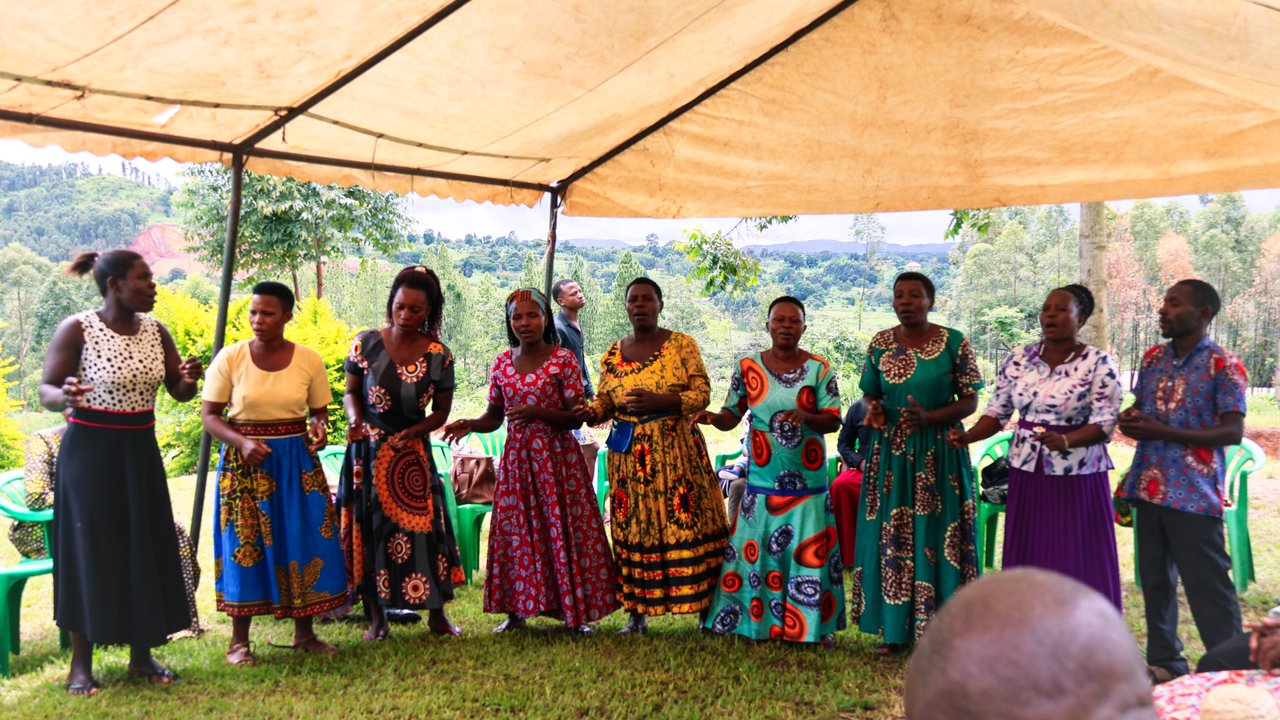
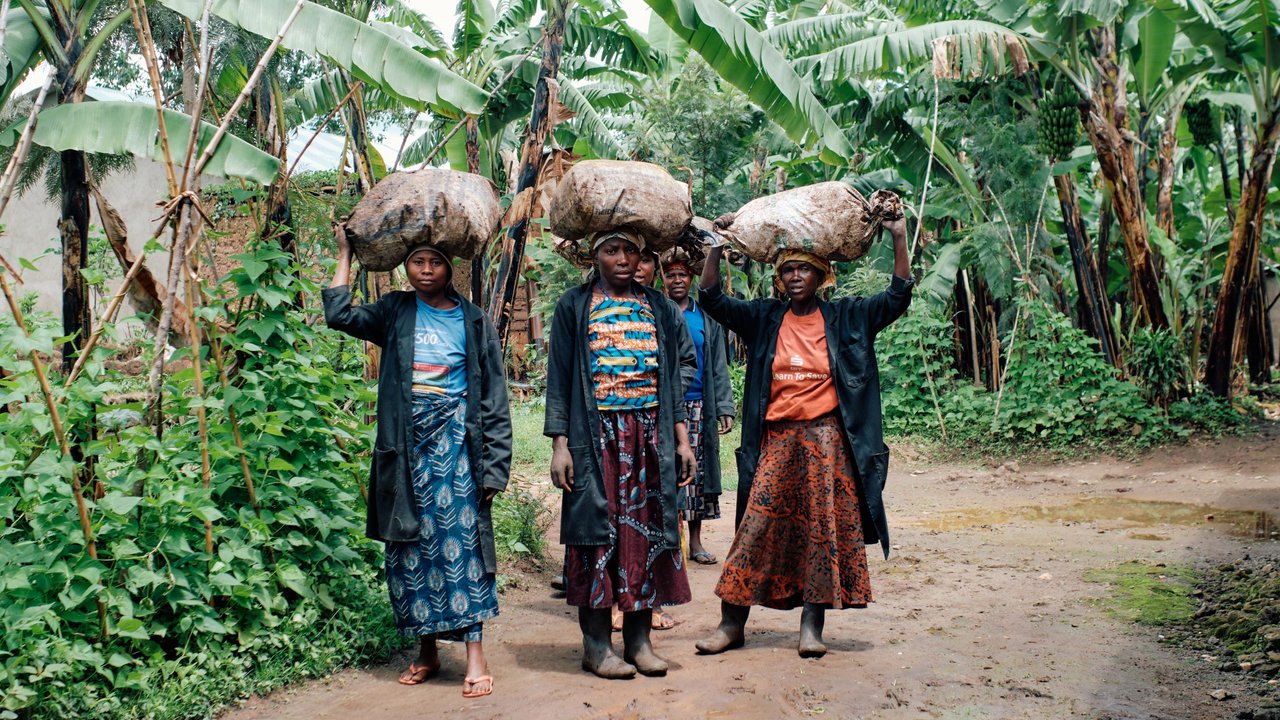
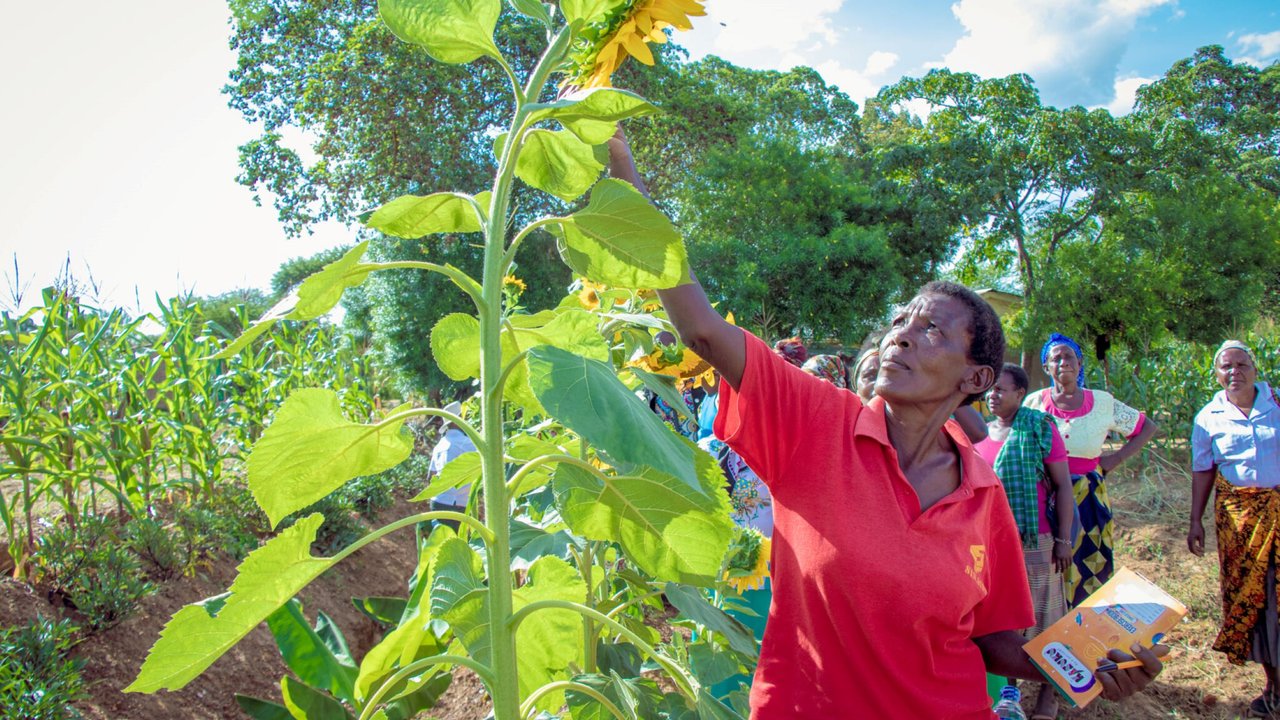
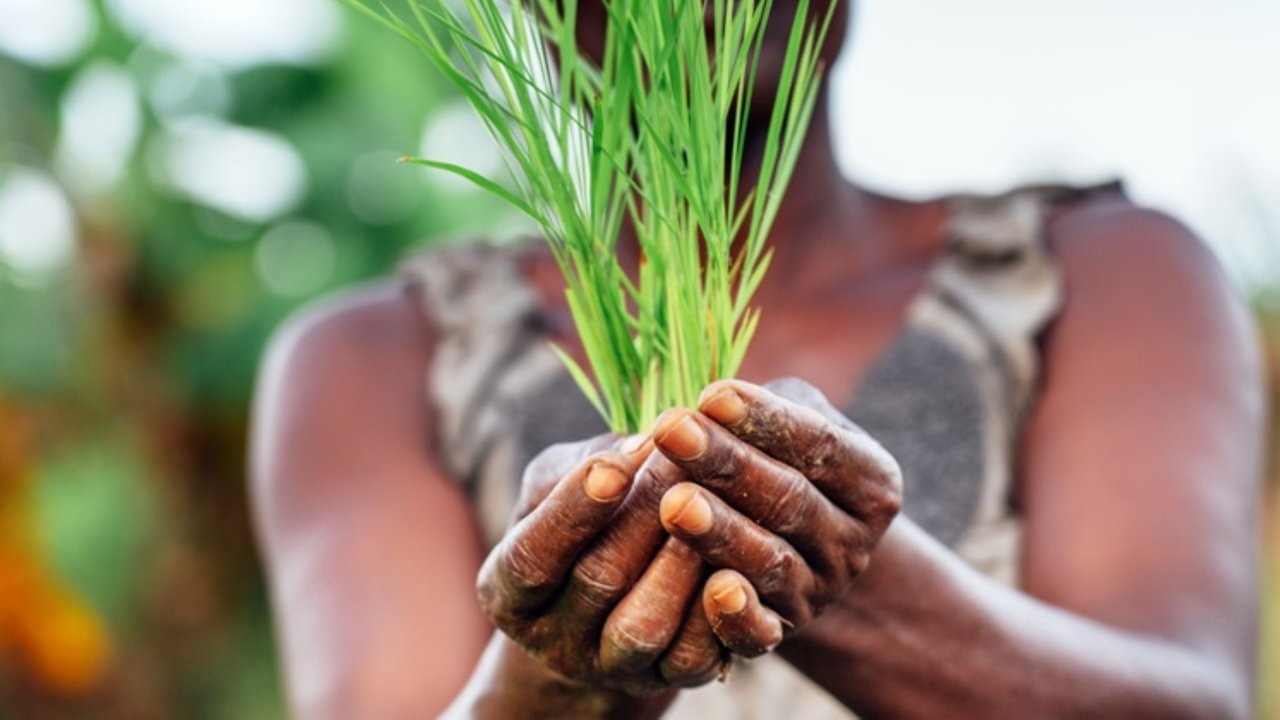
The RAIN Challenge has supported East African innovators to turn early-stage, nature-positive agricultural ideas into viable, investment-ready solutions that strengthen agricultural systems and advance climate resilience in their communities.
In each round of the challenge, non-profit organisations across public, local civil society, international NGOs, and academia based in East Africa are invited to submit proposals for initiatives that aim to deliver innovative and scalable solutions that increase resilience while resulting in a stronger and better context for nature positive agriculture to flourish. Finalists will receive tailored mentoring, leadership training as well as communication and MEL support. Winners of the challenge will receive a grant for implementation. Their initiatives will also be showcased at investor forums and international events, including UN Climate Conferences, giving them greater visibility.
News from the project
.jpg/_jcr_content/renditions/crop-16x9-1280.jpg./crop-16x9-1280.jpg "Maasai community gathering in a natural setting")
.jpg/_jcr_content/renditions/crop-16x9-1280.jpg./crop-16x9-1280.jpg "Community Gathering in Agricultural Field")
.JPG/_jcr_content/renditions/crop-16x9-1280.jpg./crop-16x9-1280.jpg "Group of workers examining rice field")
.JPG/_jcr_content/renditions/crop-16x9-1280.jpg./crop-16x9-1280.jpg "RAIN Challenge_Solidaridad")
.jpg/_jcr_content/renditions/crop-16x9-1280.jpg./crop-16x9-1280.jpg)
.jpg/_jcr_content/renditions/crop-16x9-1280.jpg./crop-16x9-1280.jpg)
.jpg/_jcr_content/renditions/crop-16x9-1280.jpg./crop-16x9-1280.jpg)