.JPG/_jcr_content/renditions/crop-16x9-2560.jpg./crop-16x9-2560.jpg "RAIN Challenge_Solidaridad")
Seeing resilience grow: A field visit to RAIN projects in Kenya and Tanzania
Field trip report
December 2025, Renate Bleich
In December, a small delegation of Munich Re Foundation and Global Resilience Partnership (GRP) set out to witness firsthand how innovative, locally driven agricultural solutions are taking root in East Africa. The journey led to communities across Kenya – and briefly to partners working in Tanzania – where four initiatives supported by the Munich Re Foundation through the Regenerative Agriculture Innovation for Nature (RAIN) Challenge are helping smallholder farmers and pastoralists build resilience in the face of climate change.
Over the past three years, the RAIN Challenge has supported East African innovators in transforming early-stage, nature-positive agricultural ideas into viable, scalable solutions. The field visit offered a rare opportunity to move beyond reports and presentations – to walk through agricultural landscapes, sit with farmers, and hear directly from those whose lives are being shaped by these projects.
Restoring landscapes and livelihoods in West Pokot – Inclusive Small Firms Africa
.jpg/_jcr_content/renditions/original.image_file.3782.3782.0,904,3782,4686.file/Fieldtrip202512_RAINChallenge_WestPokot%20(4).jpg "RAINChallenge_WestPokot (4)")
Demonstration of the communal honey processing equipment
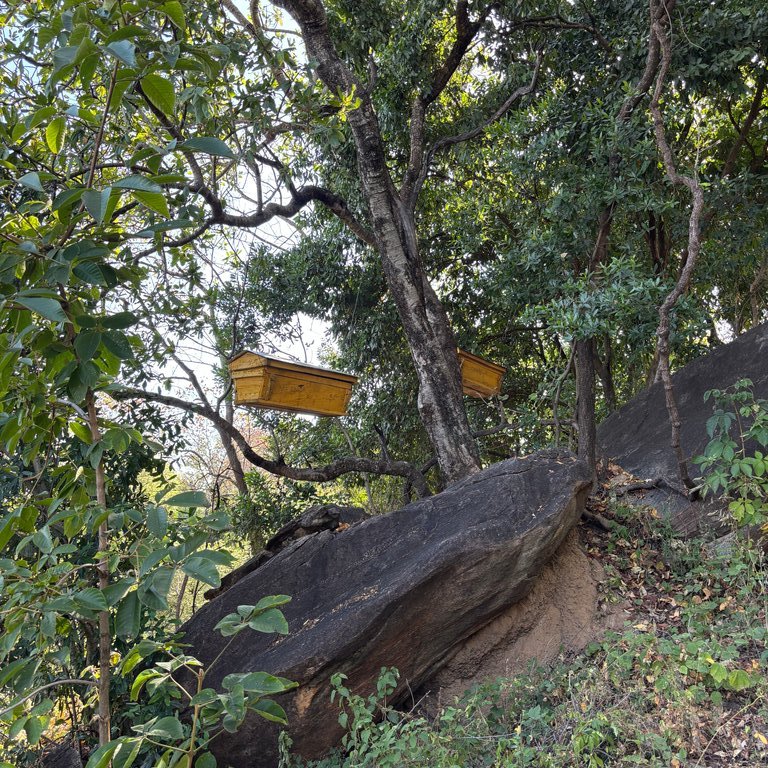
Beehives are key for protecting trees from being cut down to make charcoal
.jpg/_jcr_content/renditions/original.image_file.3024.3024.0,466,3024,3490.file/Fieldtrip202512_RAINChallenge_WestPokot%20(1).jpg "Field trip_WestPokot_1")
Women of the community group explained about the changes implemented through the RAIN project
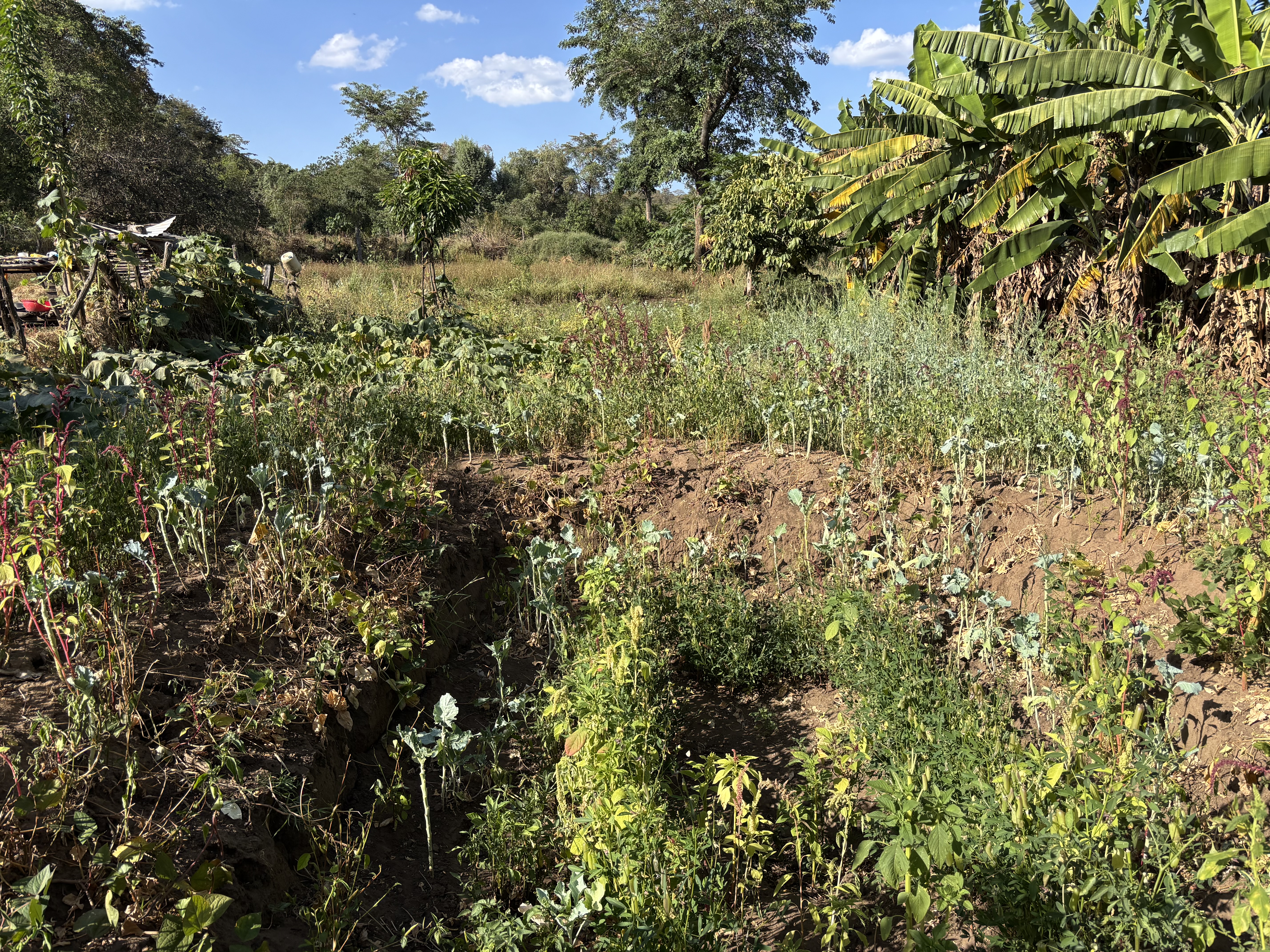
Vegetable garden with local vegetables and fruit improve food security and nutrition. Still, water is the main issue, as they rely purely on rain
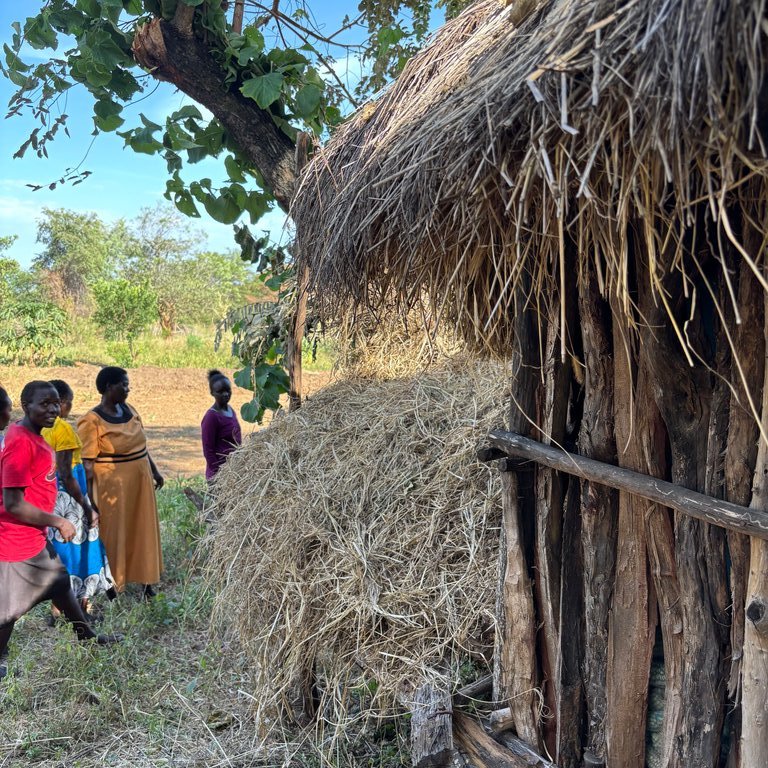
Harvesting and preserving pasture provides animal feed during dry season
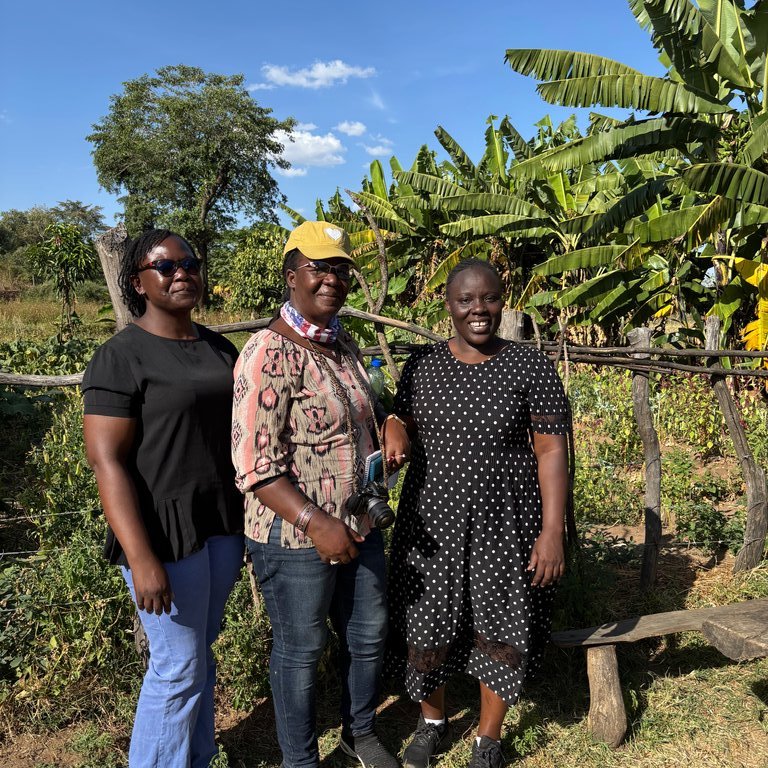
The project team: Ruth Mukhongo (ISFA), Wegesa Jane Fraser (Boma Ikolojia), Susan Omenyo (ISFA)
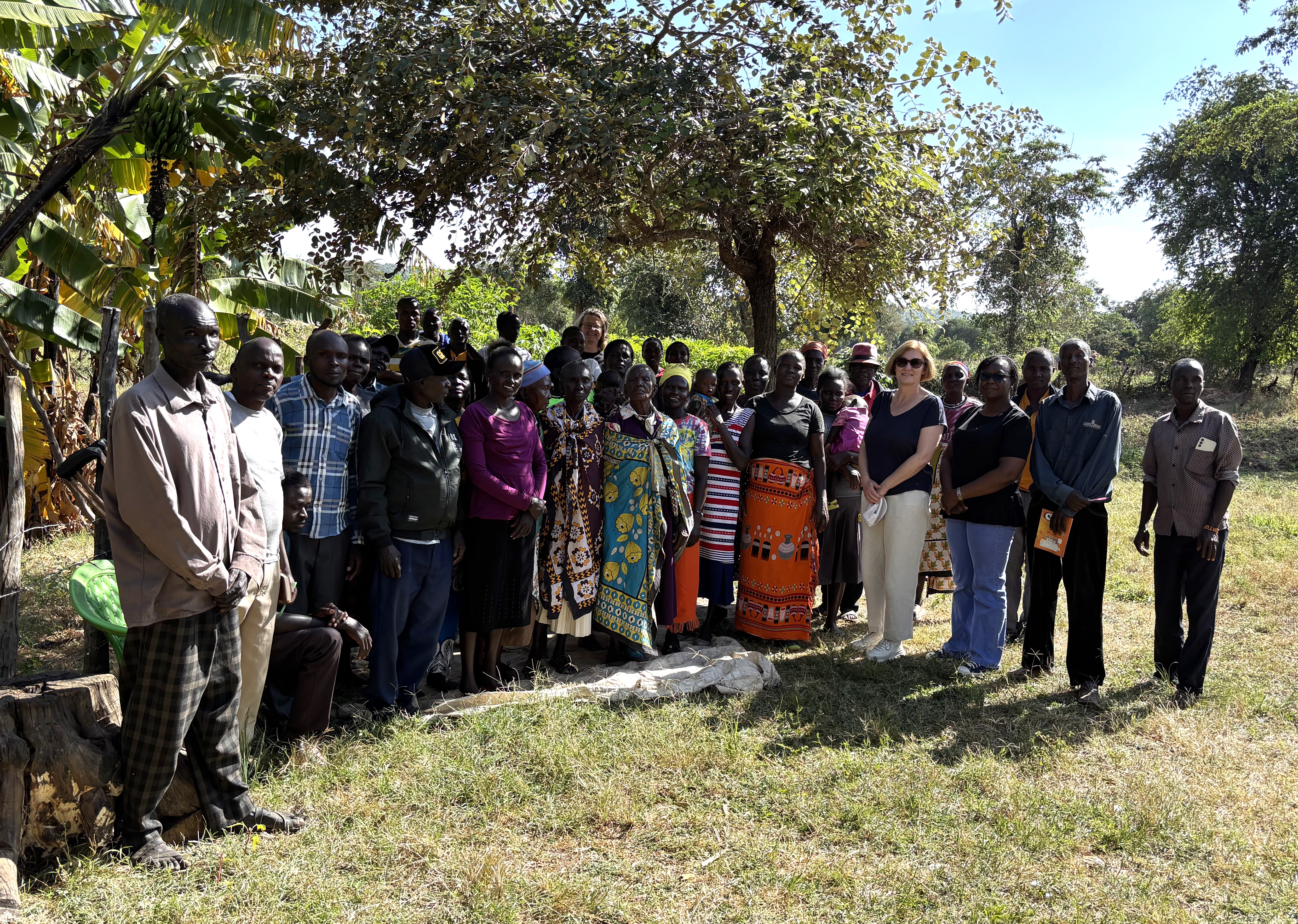
Meeting with the entire community group to learn about activities and impact of the project
On the ground, the impact was visible. Women proudly showed their flourishing vegetable gardens, filled with pumpkins, beans, kale, paw-paw, and mango trees. They spoke of how the project had reduced their worries about feeding their families and improved their understanding of soil and water management. Meanwhile, the men demonstrated newly installed beehives and shared how communal honey-processing equipment had opened up new income opportunities. They also displayed how pasture production provides animal feed during droughts.
The project is already creating scalable pathways for greater impact: expanding women’s gardens to strengthen nutrition and income, building farmer capacity in beekeeping and forest conservation, and deepening training on sustainable land management. The strong participation of both women and men in these activities signals a promising step toward more inclusive rural development. By diversifying their livelihoods, people can more easily respond to the changing conditions caused by climate change.
A new model for conservation – Equal Right and Il Ngwesi Conservancy
.jpg/_jcr_content/renditions/crop-16x9-1280.jpg./crop-16x9-1280.jpg "Fieldtrip_laikipia_1")
Il Ngwesi community at the conservancy
.jpg/_jcr_content/renditions/crop-16x9-1280.jpg./crop-16x9-1280.jpg "Fieldtrip_laikipia_2")
Maasai elder addressing members in community engagement
.jpg/_jcr_content/renditions/original./Fieldtrip202512_RAINChallenge_GRP%20(5).jpg "Fieldtrip_laikipia_6")
Matu Mureithi of Equal Right introducing the Climate Commons Fund to opinion leaders of Il Ngwesi
.jpg/_jcr_content/renditions/crop-16x9-1280.jpg./crop-16x9-1280.jpg "Fieldtrip_laikipia_3")
Members of Ngare Sirikon Village agree on Climate Commons Fund project
.jpg/_jcr_content/renditions/crop-16x9-1280.jpg./crop-16x9-1280.jpg "Fieldtrip_laikipia_5")
Women members at community engagement in Leparua Village
Bees as a pathway to regeneration – Chyulu Development Foundation
In Makueni County, Kenya, Chyulu Development Foundation has placed beekeeping at the heart of its regenerative agriculture model. As part of the RAIN Challenge, the foundation helped establish Chyulu Honey Processors, a community-based social enterprise that supports farmers in producing, processing, and marketing honey.
Visiting a model farm, the delegation saw modern beehives in action and met with a beekeeping expert who trains farmers in sustainable practices. At a community forum that included farmers, local leaders, clergy, and government officials, lively discussions revealed both progress and remaining challenges – particularly around scaling honey processing capacity and securing reliable market access.
.jpg/_jcr_content/renditions/original.image_file.5508.4066.0,0,5508,4066.file/Fieldtrip202512_RAINChallenge_Chyullu%20(1).jpg "Fieldtrip_makueni_1")
Community member explaining the beehive on the model farm of the project
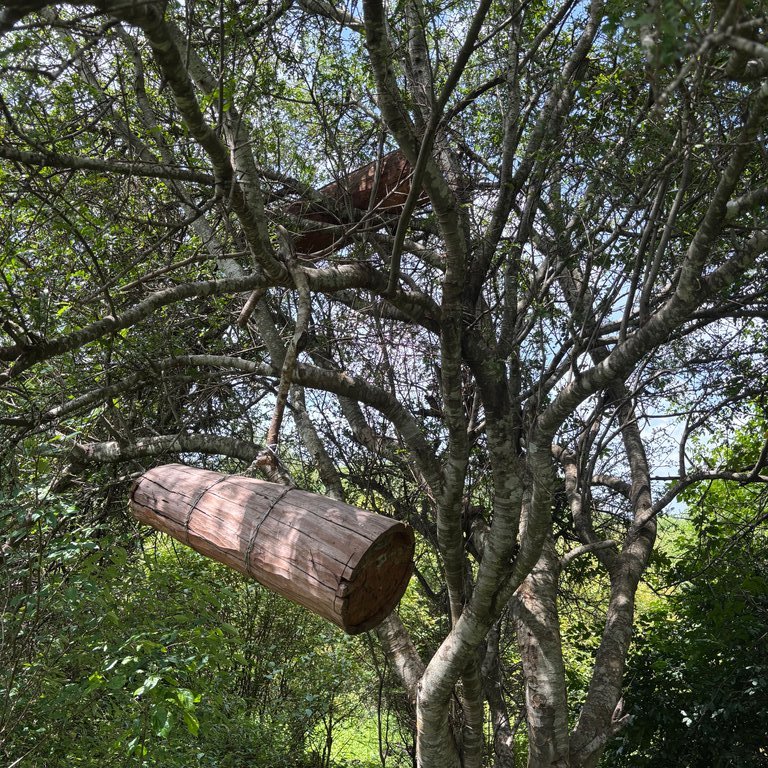
Beehives are put up in the trees at different heights, making them accessible for both men and women
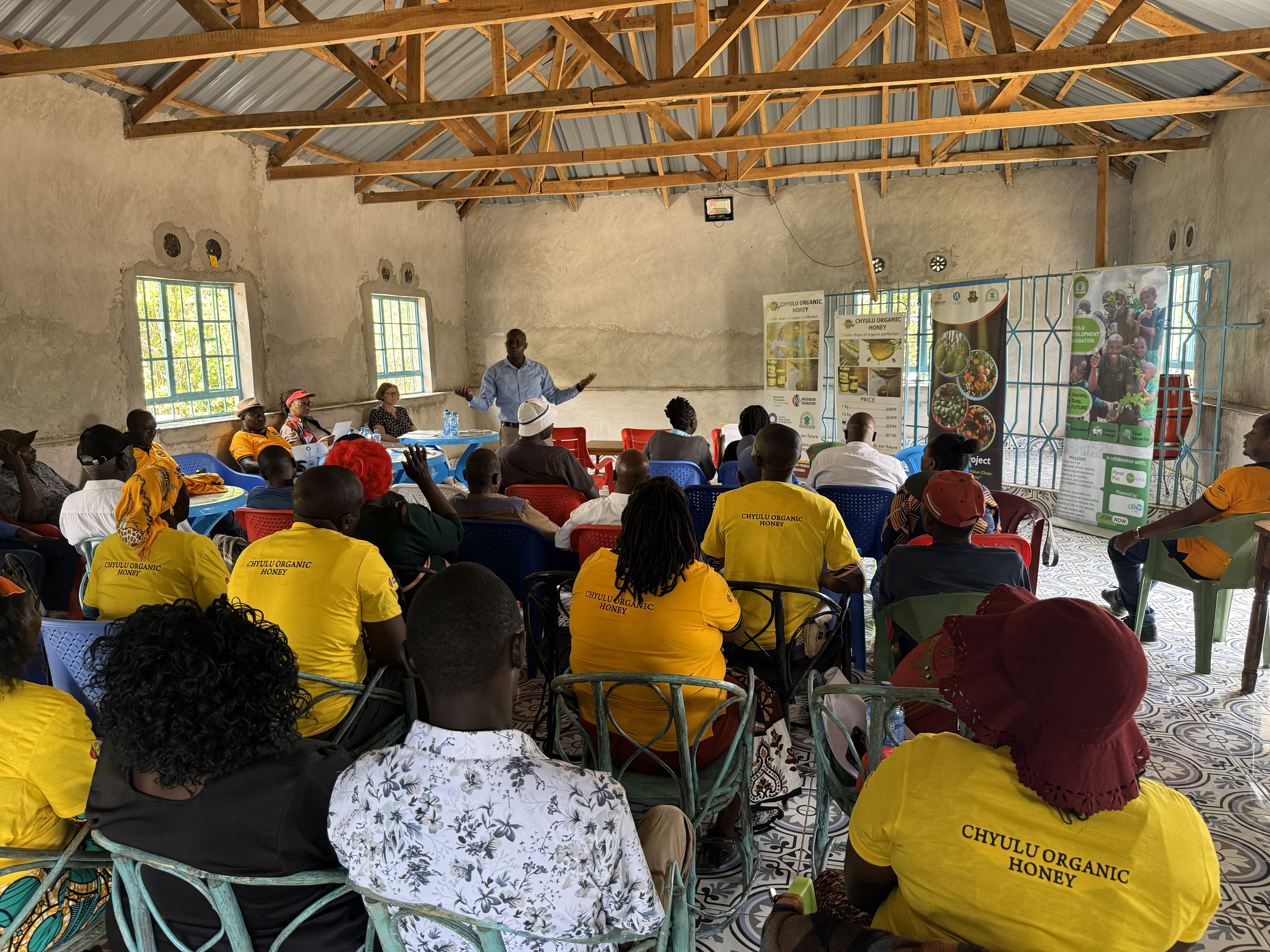
Community gathering in Nthongoni, Chyulu, Makueni County, to meet with farmers, experts, local leaders and government officials
.jpg/_jcr_content/renditions/crop-1x1-768.jpg./crop-1x1-768.jpg "Fieldtrip_makueni_3")
Newly produced Chyulu Organic Honey, ready for marketing and distribution
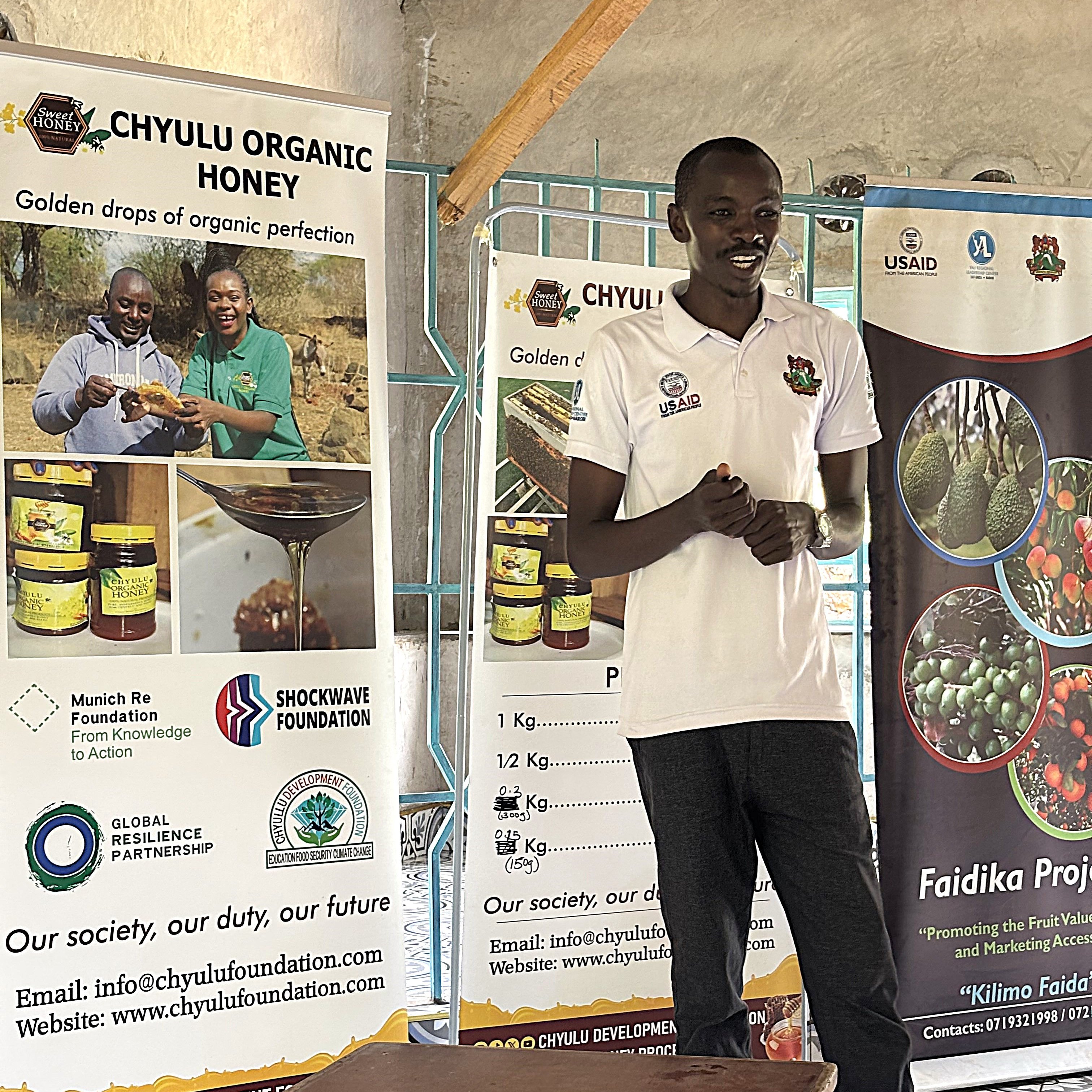
Mr. Harrison Mwololo, CEO of Chyulu Development Foundation, explains about Chyulu Honey Processors social enterprise
The project has already achieved significant milestones:
- Training 400 farmers in modern, sustainable beekeeping and integrated agriculture
- Strengthening a farmer cooperative to coordinate production and marketing
- Securing official business registration and certification for Chyulu Organic Honey
- Aggregating, processing, and packaging over 450 kilograms of honey in just three months
Beyond income generation, the initiative highlights the broader ecological importance of bees – as pollinators, indicators of ecosystem health, and guardians of biodiversity.
Climate-smart coffee in Tanzania – Solidaridad
Solidaridad Eastern and Central Africa is implementing its project “Pathways to Resilience in Coffee Agroforestry” in the Songwe/Mbeya region of Tanzania. Although political unrest prevented a site visit, the team in Nairobi shared compelling insights into their work.
Their approach centers on regenerative, climate-smart farming, improved access to green finance, and innovative carbon market linkages for smallholder farmers. Agroforestry – integrating shade trees into coffee systems – has emerged as a transformative practice, improving productivity while enhancing ecosystem health.
.jpg/_jcr_content/renditions/original./Fieldtrip202512_RAINChallenge_Solidaridad%20(1).jpg "Fieldtrip_Songwe_1")
Meeting with the team of Solidaridad Eastern and Central Africa in Nairobi
.JPG/_jcr_content/renditions/original./Fieldtrip202512_RAINChallenge_Solidaridad%20(4).JPG "Fieldtrip_Songwe_2")
Training on agroforestry with farmers in Ipyana
.JPG/_jcr_content/renditions/original./Fieldtrip202512_RAINChallenge_Solidaridad%20(6).JPG "Fieldtrip_Songwe_5")
Bahanko cooperative owns and runs one of the tree nurseries. Youths are trained to operate the nurseries
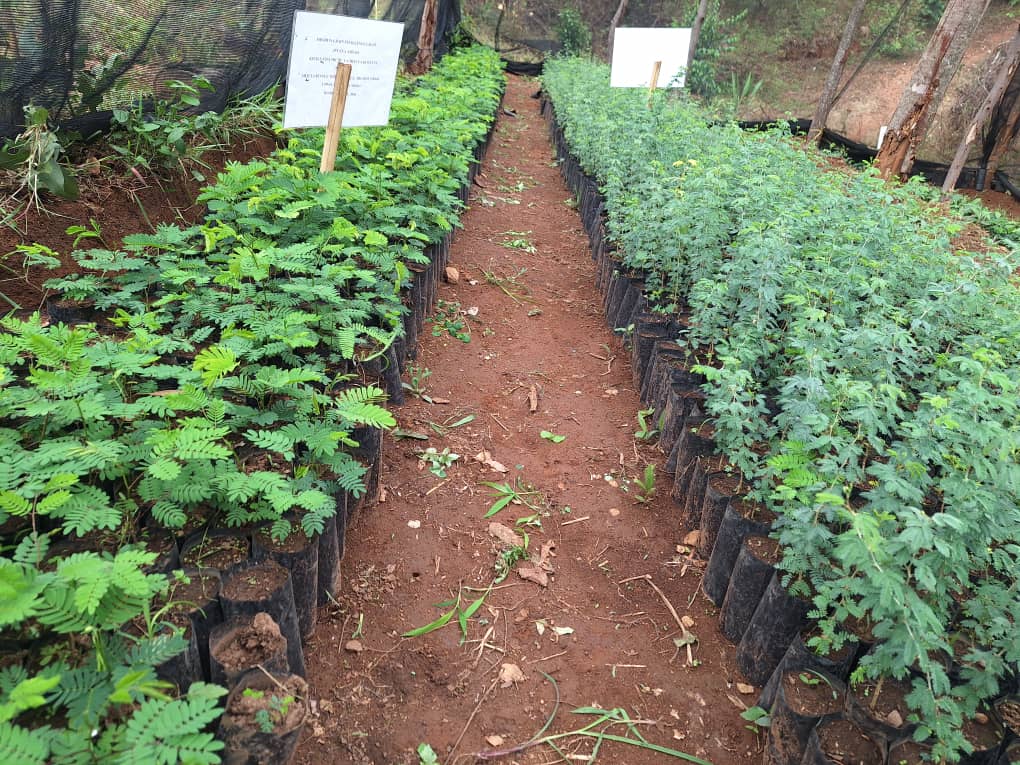
Growing shade trees at Ipyana nursery
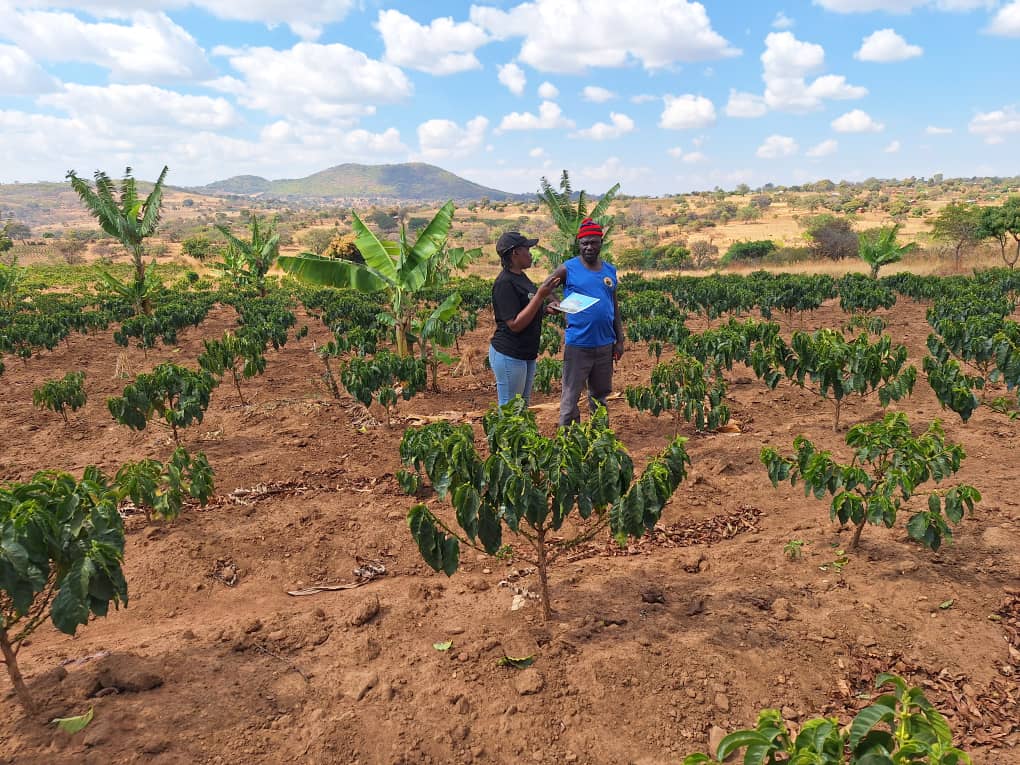
Farmer sensitization and agroforestry layout planning in the project area
Key achievements of the project to date include:
- Training ~1,300 coffee farmers on climate adaptation and nature-based solutions
- Bringing 1,217 hectares under sustainable land management
- Connecting ~840 farmers to financial institutions and agricultural service providers
- Supporting four youth-run shade tree nurseries that have produced nearly 16,500 seedlings
- Profiling ~1,000 farmers for participation in the ACORN carbon platform
These efforts are not only improving farm resilience but also opening new economic pathways for smallholders in a climate-stressed sector.
Reflections from the field