International Conference on Inclusive Insurance 2026 in Kigali: turning access into lasting protection
By Dirk Reinhard, Jeff Blacker, Antonia Witthoff*
How can inclusive insurance grow while delivering meaningful protection and remaining commercially viable? This question drew over 600 experts from 58 countries, including representatives of 27 supervisory authorities, to the International Conference on Inclusive Insurance in Kigali, Rwanda, from 19 to 23 October 2026. Throughout the various discussions on topics such as health, women’s insurance, agriculture, and climate risks, one key message emerged: that sustainable growth hinges on offering products that align with people’s lives, providing these products through institutions that can reliably deliver, and ensuring customers recognise their value.
From financial access to meaningful protection
“Access to finance without risk protection is incomplete inclusion,” said Soraya Hakuziyaremye, Governor of the National Bank of Rwanda, in her opening remarks. Rwanda’s experience has shown both progress and how far there is still to go: 27% of adults now have insurance, compared to 17% in 2020, but this is still below the target value of 45% by 2035. Andrew Kulayige (ASSAR) outlined how the National Insurance Strategy aims to increase insurance penetration from 1.9% to 5% of GDP over the same period. These targets framed a wider conference debate about how to translate financial access into reliable protection for households and businesses.
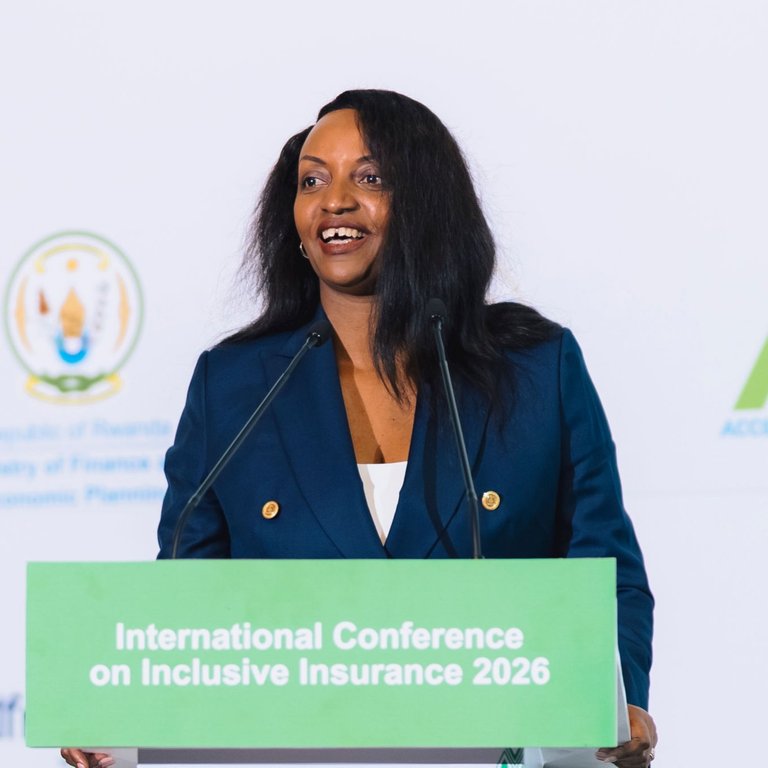
Access to finance without risk protection is incomplete inclusion
Early findings from the Microinsurance Network’s Landscape of Microinsurance 2026 report indicated substantial growth. Matthew Genazzini, Executive Director of the Microinsurance Network, reported that 309 million people were now covered, with US$ 4.2 billion in premiums across 1,181 products in 45 countries. Among the 213 products reporting in both 2024 and 2026, coverage and premiums alike had roughly doubled.
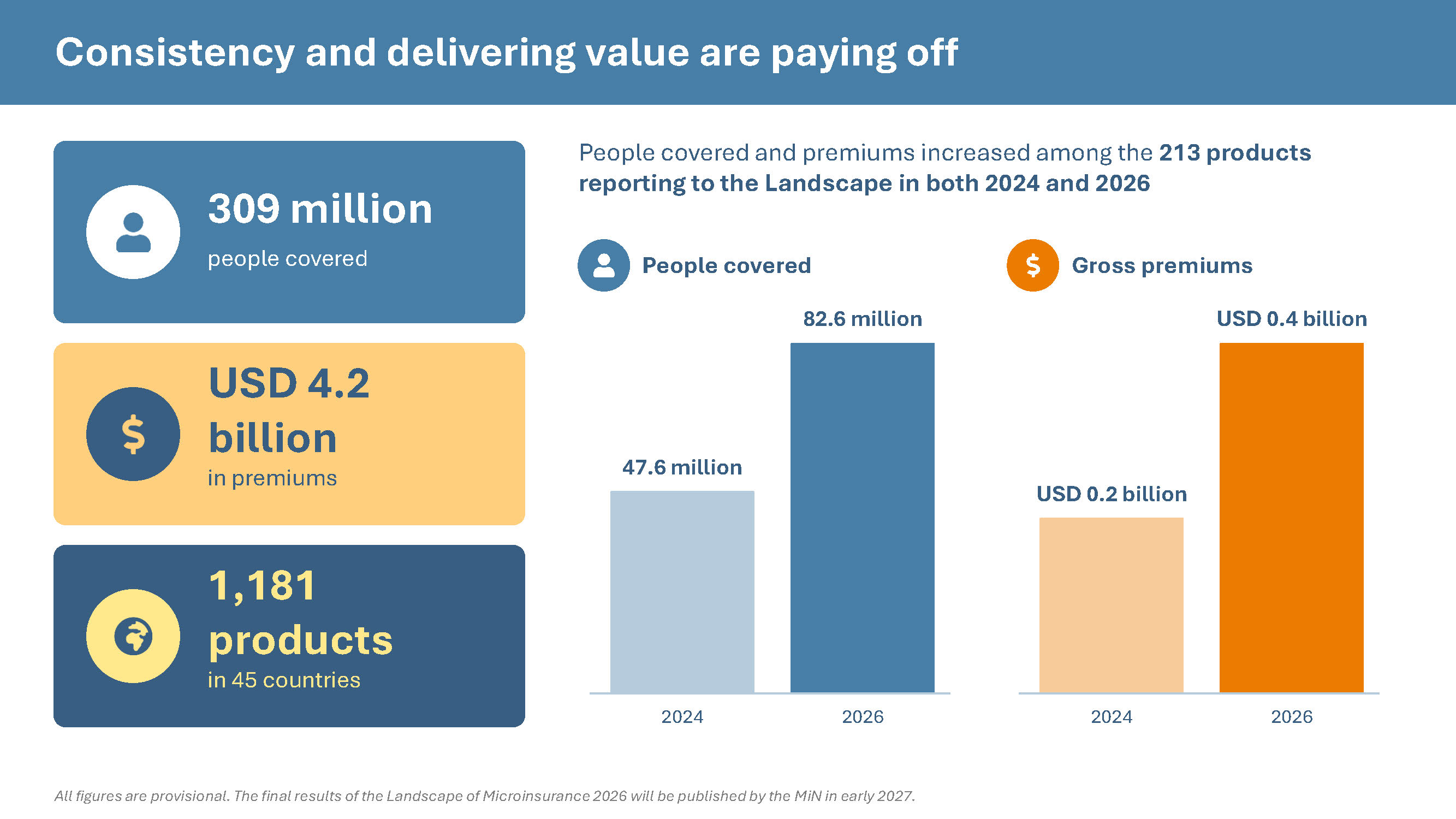
Figure 1: Early findings from the Landscape of Microinsurance 2026 show considerable growth in coverage and premiums. All figures are provisional.
Source: Microinsurance Network
However, growth alone does not answer the question of customer value: 55% of products incurred higher acquisition and administration costs than claim payouts. All figures remain provisional. The findings provided a backdrop to discussions about balancing outreach and operating costs with benefits for policyholders.
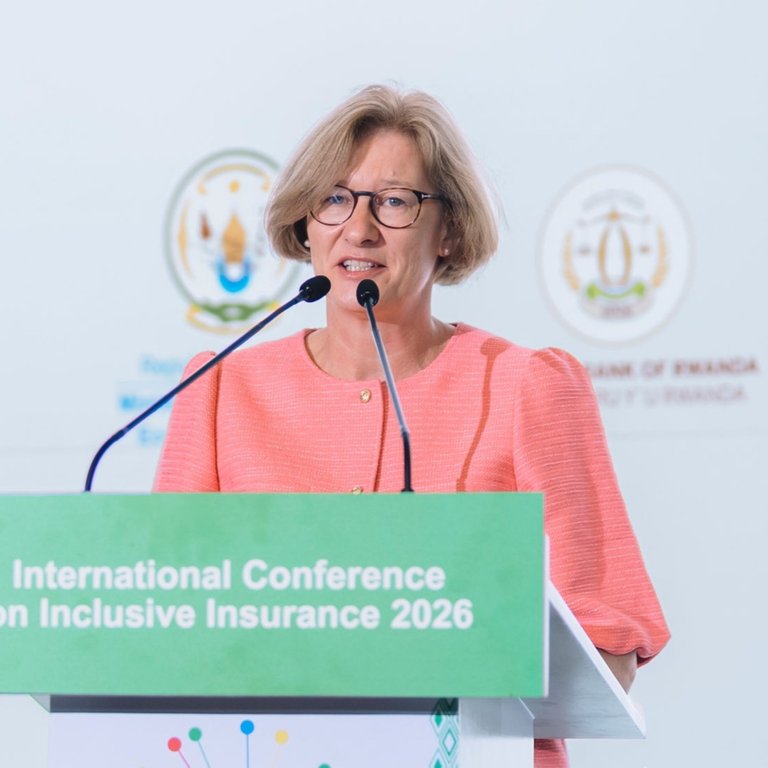
The protection gap is not only a social concern. It is a question of economic resilience and public finances. Closing it is in the interest of households, businesses and governments alike.
The business case begins with the customer
Faith Batamuriza of the National Bank of Rwanda suggested a straightforward starting point: “Start with the customer.” At the ILO Impact Insurance Facility’s introductory workshop, this meant identifying the factors that drive demand before developing products that are affordable, accessible, appropriate, responsive and simple. Different customers face different risks, so a standard product can’t necessarily meet all their needs. Lisa Morgan of the ILO described the resulting shift in perspective: “We are increasingly seeing ourselves as risk managers, not just claims payers.” Here, the emphasis was on understanding the problem that insurance is intended to solve, rather than starting with a product and looking for buyers.
Speakers also addressed the question of who ultimately benefits from protection delivered through financial institutions. During the session on risk layering for microfinance institutions, Syed Sajjad Ali Shah (SAFCO Microfinance) claimed that a payout which only saves the lender’s portfolio, rather than the household, is less than half a solution. Further, he added an important qualification to the discussion of efficient distribution: reaching customers through existing financial relationships does not necessarily mean that their needs are being met.
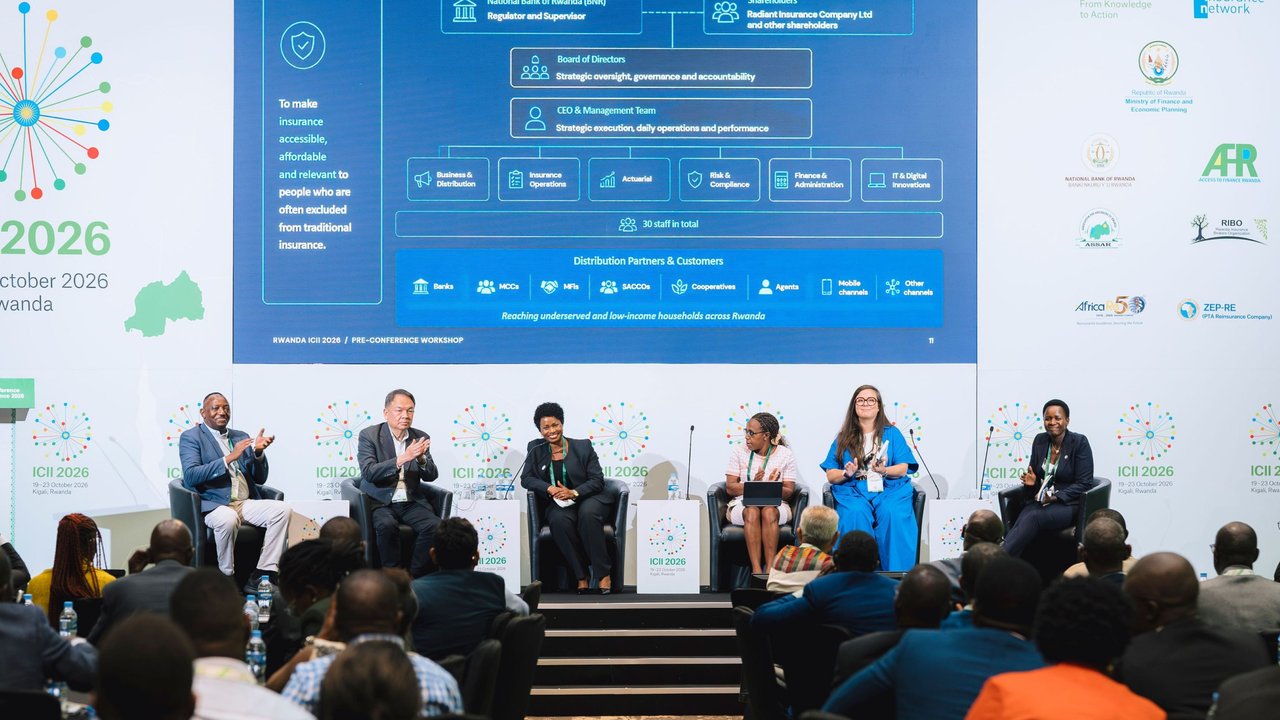
CEO workshop on business models. Left to right: Lemmy Manje, CEO and Founder, FinProbity Solutions, Zambia; Lorenzo Chan, CEO, Pioneer Inc., Philippines; Ovia K. Tuhairwe, CEO, Radiant Yacu, Rwanda; Evah Kimani, Chief Executive Officer of Britam Connect, Britam Holdings, Kenya; Laura Rosado Lozano, Co-founder - Head of Strategy, finance and impact, AXA EssentiALL, France; Jacobeth Barno, CEO, APA Insurance, Kenya
The CEO workshop, hosted by FinProbity Solutions Limited, showed that customer focus and commercial viability are not mutually exclusive. Radiant Yacu grew from 556 clients in 2019 to 1.2 million by the end of 2025, while Britam’s microinsurance business has been profitable since 2016. Laura Elena Rosado reported that AXA EssentiALL had reached almost 21 million customers by 2025, around 80 percent of whom were in emerging markets. These examples provided a basis for discussing the business case: inclusive insurance can achieve significant reach, but this must be accompanied by a sustainable service model.
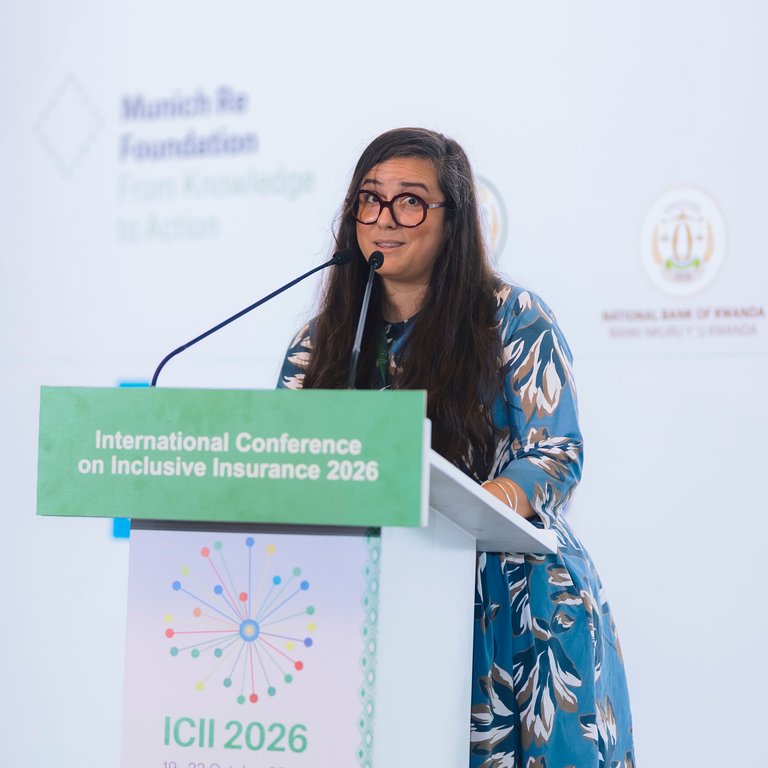
Inclusive insurance can strengthen financial resilience, but only when products are accessible, appropriate, understood and able to deliver real value when people need them most.
Distribution and claims processes must also be economically viable for small policies. In Egypt, credit-linked cover has been compulsory since 2018, with premiums being collected and claims being paid via mobile wallets – because processing a small claim there using traditional methods can cost more than the claim itself. This example highlights the operational challenge: extending cover is only part of the solution if the processes behind it are too costly relative to the benefits delivered.
Claims are central to customer relationships. Lorenzo Chan, CEO of Pioneer Insurance, urged insurers to pay every legitimate claim quickly. After three devastating typhoons, partners switched to Pioneer because their previous insurers had paid out less. This example demonstrated the direct link between claims handling, trust and business growth. Lemmy Manje, CEO of FinProbity Solutions, argued that inclusive insurance becomes profitable when customer value, institutional incentives, and commercial sustainability reinforce each other. Therefore, the challenge is not simply to lower premiums.
Beyond pilots: understanding, regulation and capital
Throughout the conference, speakers kept coming back to the difficulty of turning promising pilots into lasting services. One obstacle was the gap between awareness and understanding. In a case study from the Solomon Islands, insurance awareness rose from 57% to 87%, yet almost 80% of people still couldn’t explain how a parametric payout works; increased awareness had not necessarily produced informed customers. François Petousis (Lumkani) captured the distinction in his company’s approach: “We do education before we do promotion.” For providers seeking to expand, this example highlighted why explaining how cover works is not the same as making people aware that it exists.
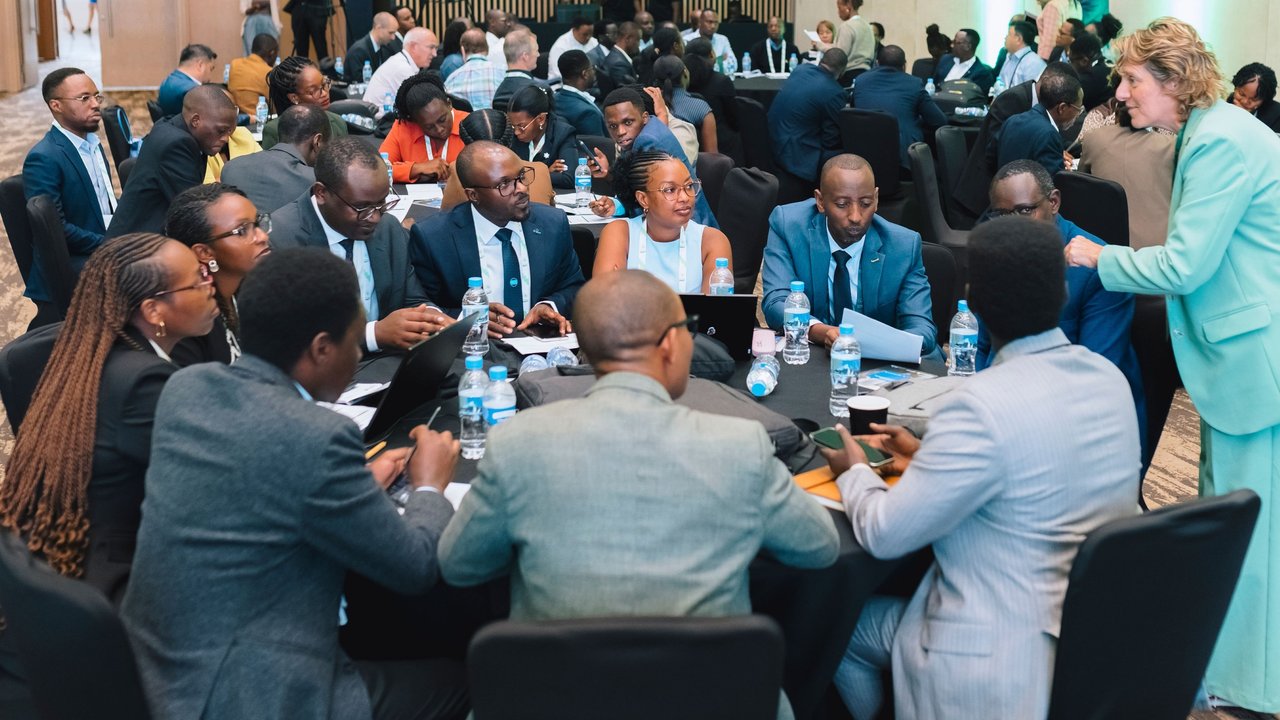
Representatives from 27 regulatory and supervisory authorities registered for the ICII 2026. The 2026 Consultative Forum hosted by IAIS, A2II and the Microinsurance Network, focused on experiences with standalone licences.
Market structure and regulation presented further challenges. Elias Omondi (FSD Africa) noted that roughly 90% of Africa’s insurance premiums come from just five countries, while startups often stall between prototype and scaling up. Regulatory sandboxes can help, but, as the panellists stressed, are just one tool of many, and may be unnecessary where a product category already exists. Sarathy Srinivas (WRMS Global) cited tea farmers’ insurance in Rwanda and a mobile-wallet insurtech in Fiji as examples of regulators bringing market participants together. Rita Apau of Ghana’s National Insurance Commission credited FSD Africa and BimaLab with strengthening the Commission’s capacity. Alongside regulatory support, providers need resources to expand: as Steven Biganiro (MINECOFIN) put it: “Capital moves the product from the sandbox to the market.”
Health insurance: value beyond the claim
Discussions on health insurance illustrated both the potential of trusted institutions and the practical difficulty of sustaining participation. Michelle Umurungi of the Rwanda Social Security Board described how community-based health insurance expanded from pilots in three districts 25 years ago to now covering 90% of the population. The experience offered a striking example of long-term development from a limited starting point. Elsewhere, however, comparisons showed that registration figures alone offered only an incomplete picture of a given scheme’s progress.
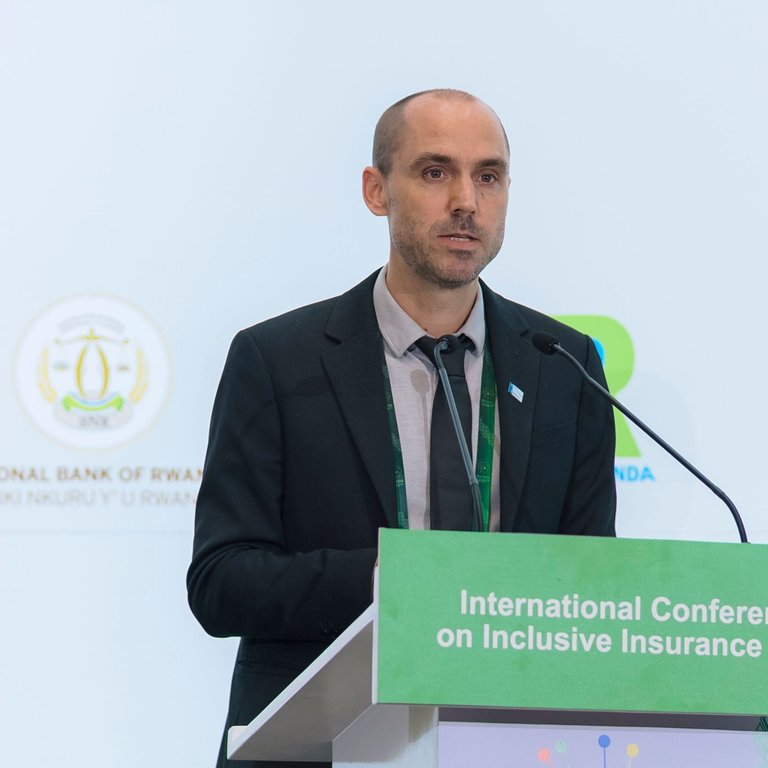
The client needs to be at the centre of all decisions made in this space.
Swiss TPH compared schemes in Zanzibar, Chad, Cameroon and Comoros, identifying a common challenge: enrolling people is easier than securing their contributions. Following its launch in December 2025, the Comoros scheme registered 174,403 members, but by September only 20,555 had started paying. The distinction between registered and contributing members matters when assessing whether a scheme is establishing itself. The session’s recommendation was clear: count the members who pay, not only those who register, and treat a new law as the beginning of implementation rather than proof of success.
Product design must reflect how people actually use healthcare. Solène Favre (VisionFund International) cautioned against copying products from one market to another: hospital cash cover, for example, has little relevance in markets where people rarely go to hospital. Conversely, Pioneer Insurance in the Philippines doubled its hospital cash benefit at the start of the pandemic in return for a slightly higher premium. Claims rose, but so did sales, and customers continued renewing after the pandemic. Together, the examples showed why a given benefit’s relevance can’t be judged independently of customers’ circumstances and their experiences using it.
For customers who never file a claim, health services can make insurance valuable in a more immediate way. Lisa Morgan (ILO) highlighted the tangible support such services can provide between claims. Mohammed Ali Ahmed (EFU Life Assurance Ltd.) said telemedicine “keeps insurance relevant even if the claim does not happen.” EFU Life has provided 44,544 teleconsultations since April 2025. This broadened the discussion beyond reimbursement: the customer relationship can include access to care and practical services, rather than depending solely on an uncertain future payout.
Designing insurance around women’s lives
The discussion on women’s insurance combined a substantial market opportunity with evidence of persisting barriers. Angela Wambugu (Women’s World Banking) estimated the market value at US$ 1.45 trillion and projected that it would reach US$ 1.7 trillion by 2030. Yet Kampeta Sayinzoga, CEO of Access to Finance Rwanda, noted that women account for only 23% of all policyholders in Rwanda. Moreover, digital distribution isn’t automatically a solution: given that 61% of women own a phone, compared with 75% of men, a stronger emphasis on digital channels could actually widen the gap. Accordingly, reaching more women requires a focus on both the product and how it can be accessed.
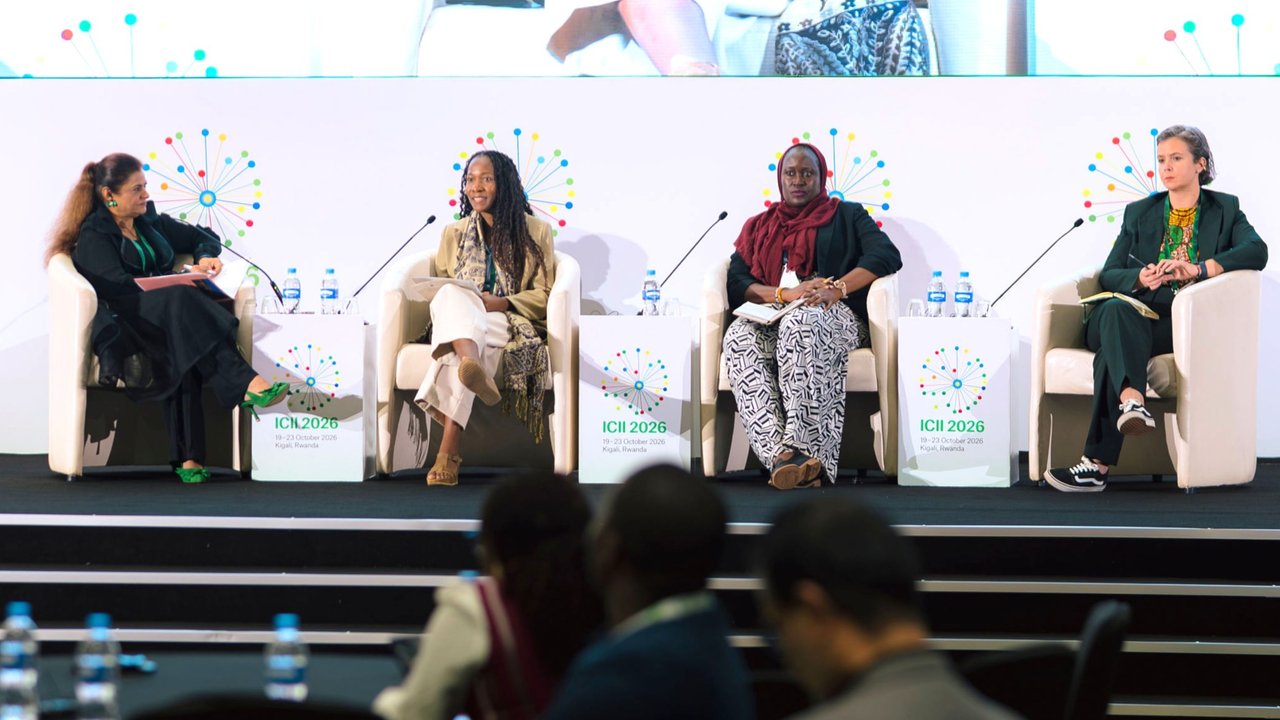
Panel discussion 7: Where insurance is failing women. Left to right: Arjmand Banu Khan, Head, Gender Centre of Expertise, FSD Africa, Kenya; Agnes Kanjala, Founder and CEO, Nuru Solutions, Kenya; Sheila Byenkya, Associate Director, Partnerships, ZEP-RE, Kenya; Antonella Abategiovanni, Risk & Resilience, One Acre Fund, Kenya
Sheila Byenkya (ZEP-RE) warned against adding a “for women” label to an unchanged product. Women do not constitute a single market: meaningful design starts with evidence about how they earn their money, own assets, and face risks. The speakers advocated developing cover for women on the basis of their actual livelihoods and distributing it through community channels they already know and trust. This approach goes beyond marketing an existing offer to a new audience; it asks whether the benefits and delivery arrangements actually address the circumstances of the people concerned. The session’s recommendation concisely captured this approach: “Do the work, know the woman, design for her.”
Climate and agriculture: building systems that last
In agricultural insurance, the main barriers to achieving scale are often related to coordination, distribution and funding rather than product design alone. Research conducted by the Microinsurance Network on public-private partnerships in seven countries identified several areas that insurers cannot finance independently, such as establishing rules, creating farmer registries, setting up weather stations, carrying out outreach activities and, where necessary, providing support with premiums. This places public institutions at the centre of the discussion as contributors to the infrastructure needed to make insurance work, not simply as sponsors of individual products.
Existing agricultural services provide access to farmers who would otherwise be difficult to reach. For example, One Acre Fund serves 5.9 million farmers in 10 countries by providing a platform for integrating insurance into existing relationships. Stella Kimani (ACRE Africa) emphasised the importance of addressing farmers’ immediate priorities: since they first need finances to cover expenditures, ACRE combines insurance cover with loans. Both examples connect distribution to an existing need, rather than treating insurance as a separate purchase that farmers must be persuaded to make.
The climate discussions also addressed the protective role of nature. David Mueller (UNDP) noted that mangroves are estimated to prevent more than US$ 65 billion worth of property damage each year, as well as protecting 15 million people. However, the panellists also described a familiar funding imbalance: it is easier to secure money for testing such schemes than for maintaining them. This issue was reflected in the wider conference debate about pilots. Even if pilot schemes are successful, it doesn’t necessarily secure the financing and institutional arrangements required to sustain them.

Discussions between sessions. A key part of the ICII: Marc Rugenera (right), CEO, Radiant Insurance, Rwanda discussing with other Radiant employees. Radiant was a key supporter of the ICII 2026 and host of the conference field trip.
Discussions about flood insurance offered a concrete example of increasing government ownership. Lagos State’s policy aims to protect up to four million people across seven local government areas. The state’s share of the premium increases from 10% in the first year to 50% in the second year – already included in the 2027 budget – and to 75% in the third. A presentation by Oreoluwa Finnih (Lagos State Government) captured the longer-term commitment required: “The launch was a milestone, not the finish line.” In turn, Katia Goertz (Global Shield Secretariat) highlighted the underlying shift: “The transition from a pilot to a sustainable programme is really the transition from a product to a system.”
Related sessions examined reinsurance for smallholder farmers and public-private de-risking for farmers and small businesses, complementing discussions elsewhere on scaling up insurtech start-ups. Across these topics, the focus extended beyond individual insurance contracts to the partnerships, funding and delivery arrangements behind them. The importance of these wider systems was particularly brought into focus by discussions on agricultural and climate protection, as the providers depend on infrastructure and coordination that no single organisation can supply alone.
From conference discussions to wider coverage
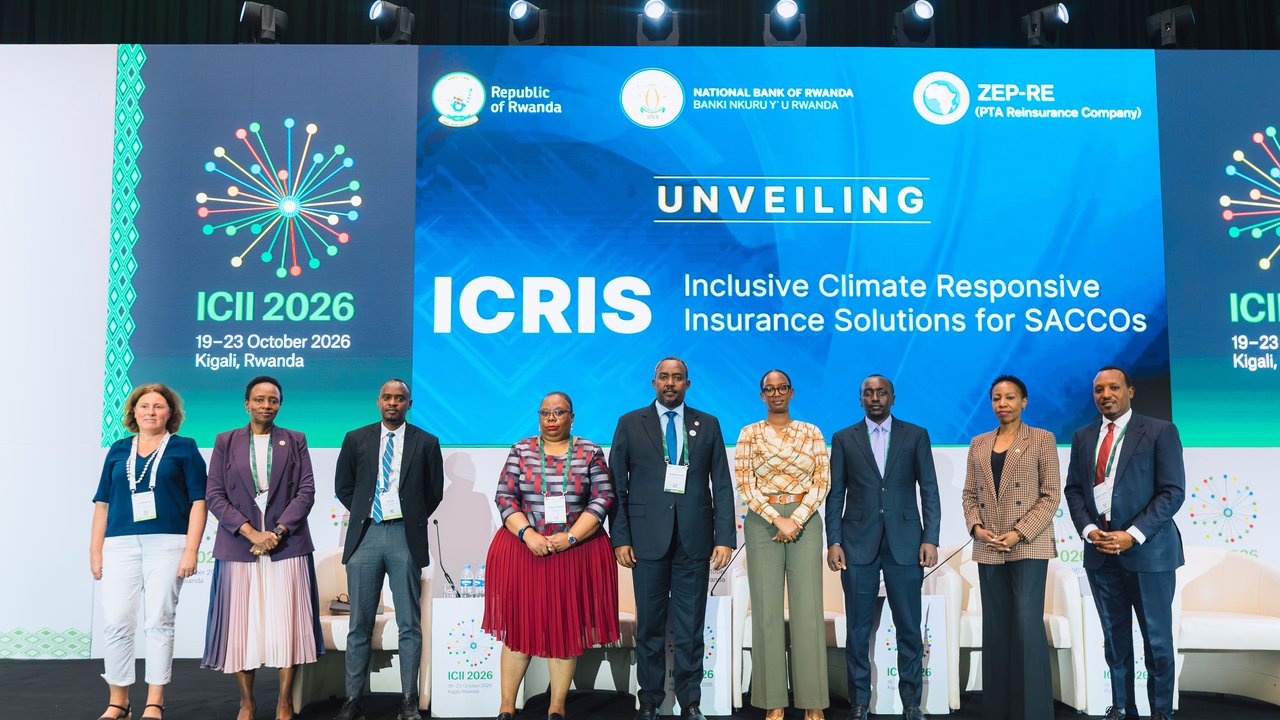
MINECOFIN, the NBR and ZEP-RE launched ICRIS (Inclusive Climate Responsive Insurance Solutions for SACCOs) at the ICII 2026. The project was supported by Agence France de Development (AFD).
A concrete step towards wider protection was taken at the Rwanda roundtable, where MINECOFIN, the NBR and ZEP-RE launched ICRIS (Inclusive Climate Responsive Insurance Solutions for SACCOs). While Rwanda’s SACCOs have 4.26 million members, currently only about 2.3% of them are insured. The initiative linked the conference’s central themes of using established channels, responding to climate risks, and extending protection beyond financial access. Hope Murera (ZEP-RE) summarised the ambition: “The call is clear: Let us move from access to protection.”
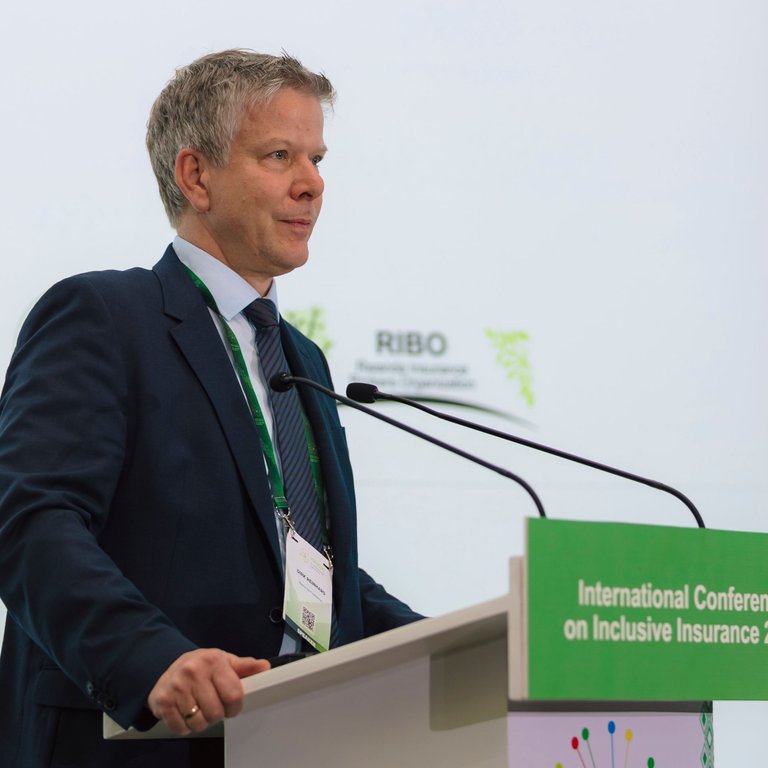
The protection gap will not close through isolated projects or good intentions alone. It will close when we turn promising ideas into trusted, affordable and scalable solutions, and when public and private actors work together with a shared sense of purpose. The real measure of ICII 2026 will not be the number of sessions we attended, but what changed because we were here.
In her closing speech, Mutesi Linda Rusagara, Minister of State for Resource Mobilisation and Public Investment, linked inclusive insurance to Rwanda’s development plans, urging insurers and their partners to extend their reach to more low-income households and businesses. She also expressed her gratitude to Rwanda, its people, and the host institutions. The discussions throughout the week had shown that expanding inclusive insurance involves more than launching products or increasing the number of registrations; its lasting value depends on providing suitable benefits, comprehensible coverage, reliable claims handling, and sustainable delivery through the relevant institutions. The central message from Kigali was the need to bring these elements together so that growth translates into effective protection.
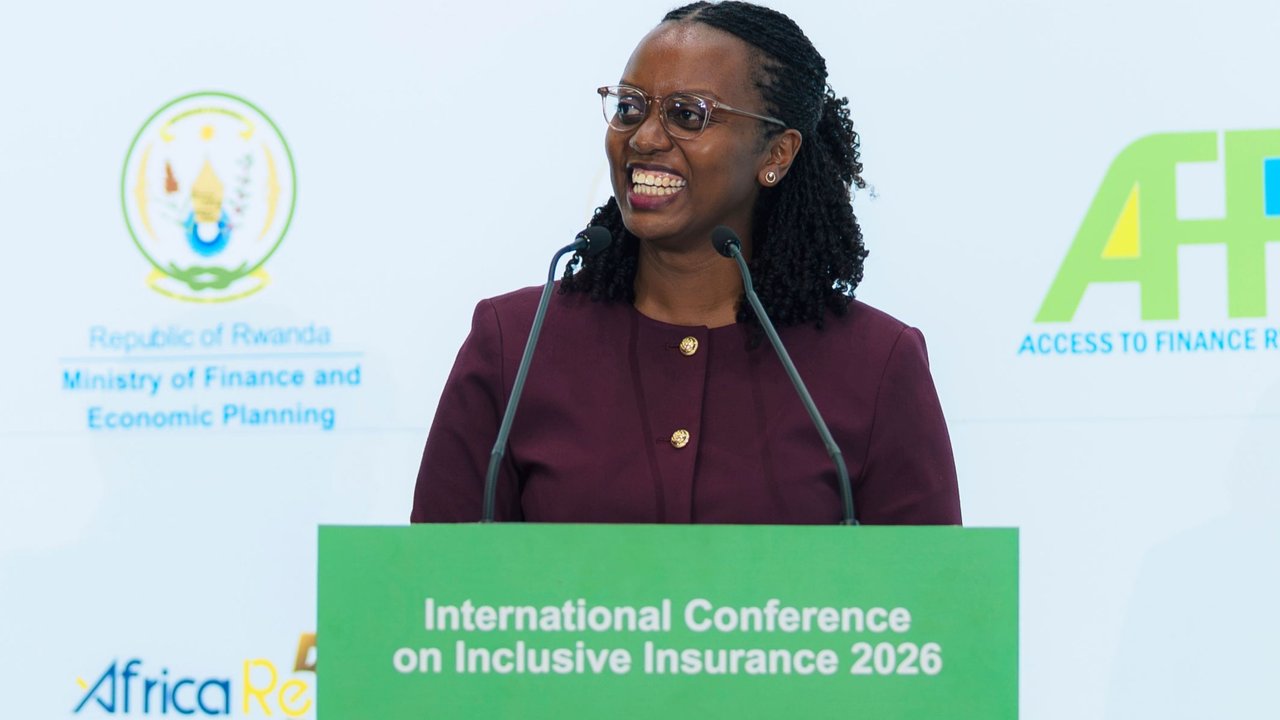
Mutesi Linda Rusagara, Minister of State for Resource Mobilisation and Public Investment, closed the ICII 2026
--------------------------------------------
*The authors would like to thank the rapporteur team of the ICII 2026!
The conference was hosted by the Ministry of Finance and Economic Planning (MINECOFIN), the National Bank of Rwanda (NBR), Access to Finance Rwanda (AFR), the Rwanda Insurers Association (ASSAR) and the Rwanda Insurance Brokers Organisation (RIBO), in cooperation with Munich Re Foundation and the Microinsurance Network.
Picture credit: AFR